A Quiet Hospital Moment Becomes a Story of Endurance, Faith, and Ordinary Love
- ThanhHuyen
- January 26, 2026

In a small hospital waiting room, far from flashing cameras or dramatic headlines, a simple moment was captured that has since resonated with many. The room was unremarkable: rigid chairs, muted lighting, and the kind of silence that makes time feel heavier than usual. Yet within that stillness, a lifetime of shared experience quietly unfolded.
The photograph shows a husband leaning his head toward his wife, an instinctive gesture that speaks more loudly than words. According to the man behind the image, the movement required no thought. It was simply where he belonged. In that single act, years of partnership, trust, and emotional resilience are distilled into a frame that feels deeply human.
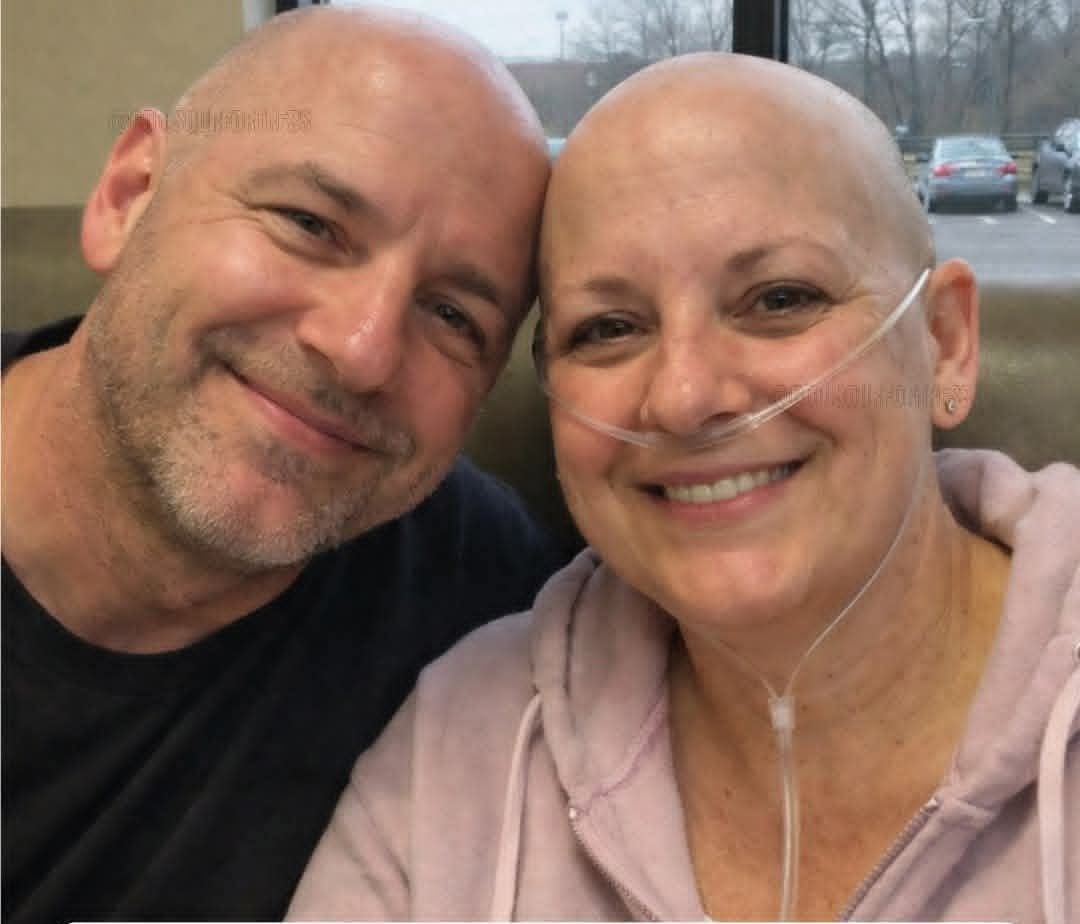
His wife has been facing one of the most difficult personal challenges a person can encounter. However, when he speaks about her, his language deliberately avoids defining her by that struggle. Instead, he describes the woman who laughed with him through exhaustion, who reached for his hand in moments unseen by others, and who remained steady even during the quiet, uncertain days. His words suggest that what endures is not the hardship itself, but the bond formed while moving through it together.
Analyzing his reflection, it becomes clear that the power of the statement lies in what it refuses to sensationalize. There is no focus on fear or despair. Instead, the emphasis is on presence. He highlights shared glances, physical closeness, and the decision to value what might otherwise be considered ordinary. In doing so, his message reframes strength not as loud perseverance, but as consistency and mutual care.
Faith also plays a subtle but central role in the narrative. Rather than describing belief as something dramatic or overt, he explains it as something that arrived quietly. Faith, in his account, showed itself through staying close, through love that did not retreat, and through grace found in simple moments. Trust was placed not in certainty, but in the willingness to move forward without having all the answers.
Stories like this rarely make traditional headlines, yet they reflect realities lived by countless families around the world. Hospitals are often spaces of waiting rather than action, where people confront limits to planning and control. In those spaces, relationships are tested, and priorities become clearer. What matters most often reduces to companionship, patience, and hope carried day by day.
The man concluded his reflection with a request not for attention, but for collective goodwill. He invited readers to pause, to offer a moment of prayer or thought for peace, patience, and the gift of more ordinary days together. It is a reminder that behind many quiet photographs are stories of resilience that do not seek sympathy, only understanding.
In an age dominated by dramatic visuals, this understated image stands out precisely because of its restraint. It shows that sometimes, the most powerful news is not about what happens, but about what endures.