Baby Solene’s Story Highlights the Need for Compassion Toward Children Born Different
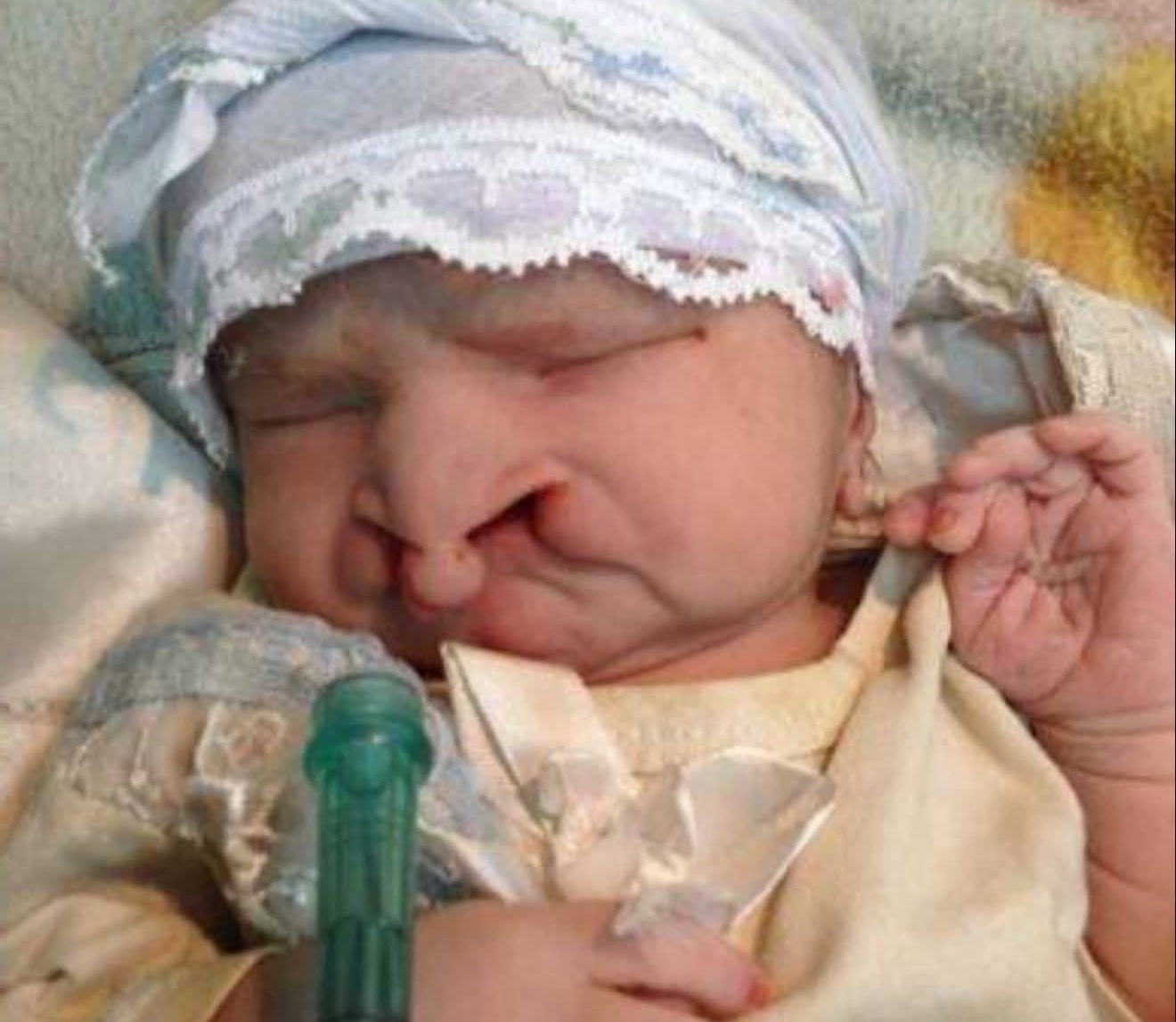
A newborn baby named Solene has become the center of online discussion after her family shared her story — not for what she has done, but for how she looks. Born with a rare congenital facial condition affecting the development of her nose and facial structure, Solene entered the world differently than most, yet doctors emphasize that her condition does not define her future.
According to medical specialists, Solene’s facial features developed atypically during early pregnancy, a process that can occur without warning and without any identifiable cause. “These conditions arise very early in fetal development,” doctors explain. “They are not the result of anything a parent did or failed to do.” This clarification is important, as families of children with visible differences often face misplaced blame or misunderstanding from the public.
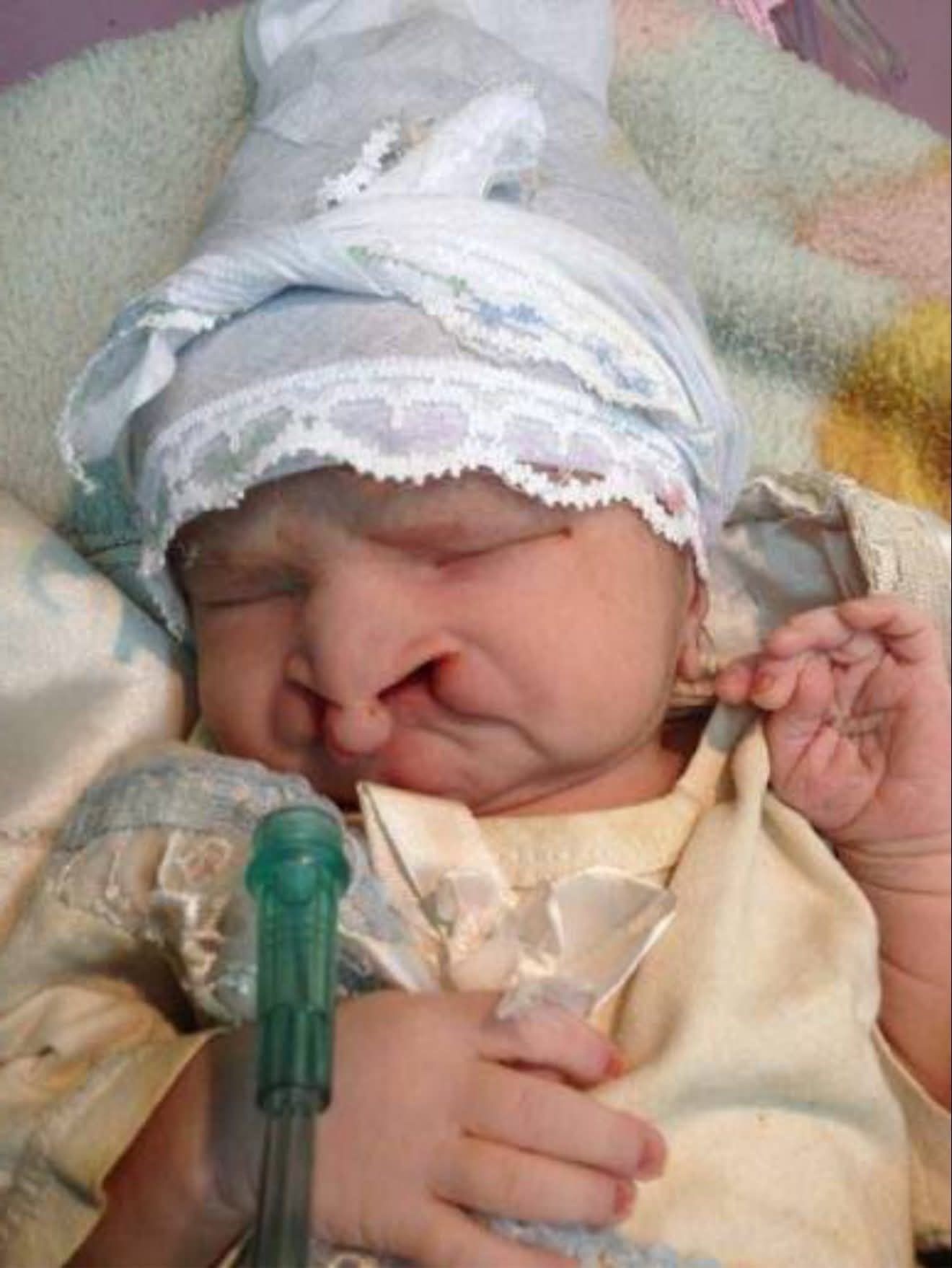
While many families celebrate a birth with messages of joy and congratulations, Solene’s parents were met with a different reaction. Some people chose silence, while others responded with visible discomfort. Experts in child development note that such reactions, though often rooted in unfamiliarity rather than cruelty, can deeply affect families. “When people withhold kindness, it sends an unintended message — not only to parents, but to society — about whose lives are considered worthy of celebration,” one child welfare advocate explains.
Doctors caring for Solene have stressed that her condition is manageable. With ongoing medical support and, if needed, corrective procedures later in childhood, she is expected to grow, learn, and live a full life. “What matters most in these early days is stability, warmth, and emotional security,” a neonatal specialist noted. “Infants respond to care, not to opinions.”

At present, Solene remains unaware of the attention surrounding her story. She rests calmly, supported by her family and medical team, insulated from the judgments that adults often project. Psychologists point out that early environments grounded in acceptance play a crucial role in long-term confidence and emotional health, particularly for children who may one day face questions about their appearance.
Solene’s story has sparked broader conversation about how society responds to visible differences. Advocacy groups emphasize that public attitudes often shape private outcomes. “Every child deserves to begin life with dignity,” one advocate said. “Celebration should not be conditional.”
As awareness grows, Solene’s story serves as a reminder that compassion requires no special effort — only intention. Differences may draw attention, but kindness determines what people remember.