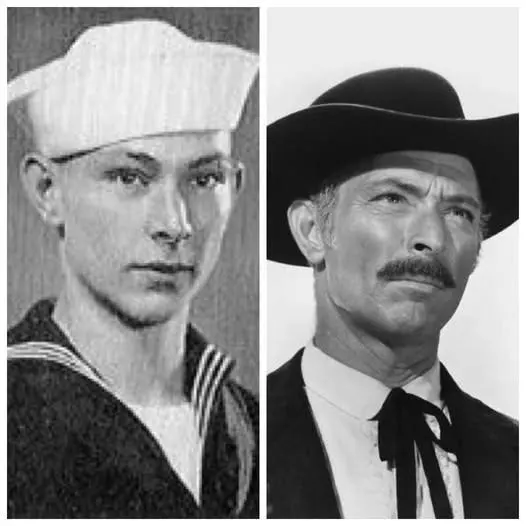
Lee Van Cleef — The Man Whose Silence Ruled the Wild West
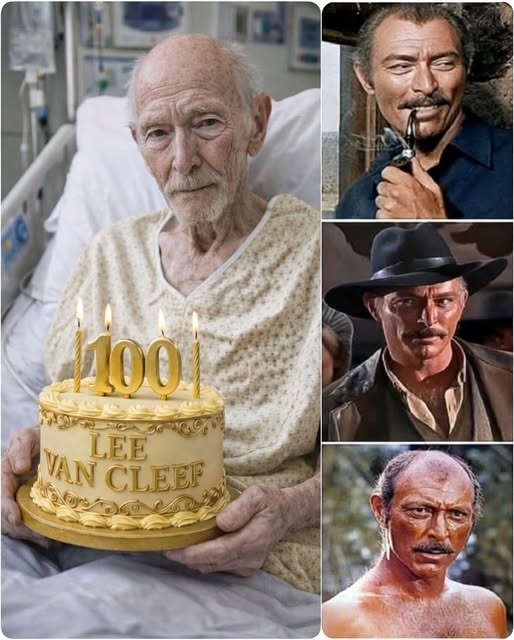
A hundred years ago, cinema welcomed a presence unlike any it had seen before — Lee Van Cleef. He was not built on loud heroics or dramatic speeches. Instead, his power lived in stillness. In a single glance, a slight turn of the head, or the calm way he rested his hand near a holster, Van Cleef could command an entire scene. He didn’t chase attention — it followed him.
With his sharp features, piercing eyes, and unmistakable aura, Lee Van Cleef became one of the most defining figures of the Spaghetti Western era. He embodied danger without excess, menace without chaos. Whether he played a villain, an outlaw, or a morally complex anti-hero, his characters felt real — shaped by dust, violence, and survival. He brought depth to roles that could have been simple, transforming them into unforgettable cinematic icons.
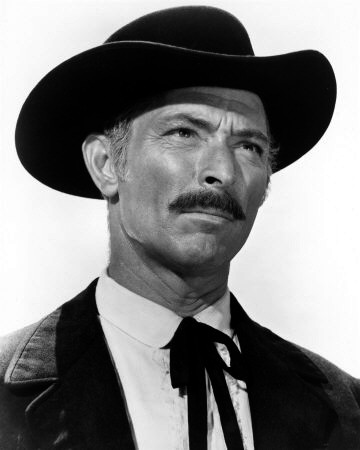
From For a Few Dollars More to The Good, the Bad and the Ugly, from Death Rides a Horse to countless other Western classics, Van Cleef helped elevate the genre into something mythic. His portrayal of “the Bad” was not just evil for shock value — it was calculated, intelligent, and chilling. He proved that sometimes the quietest man in the room is the most dangerous.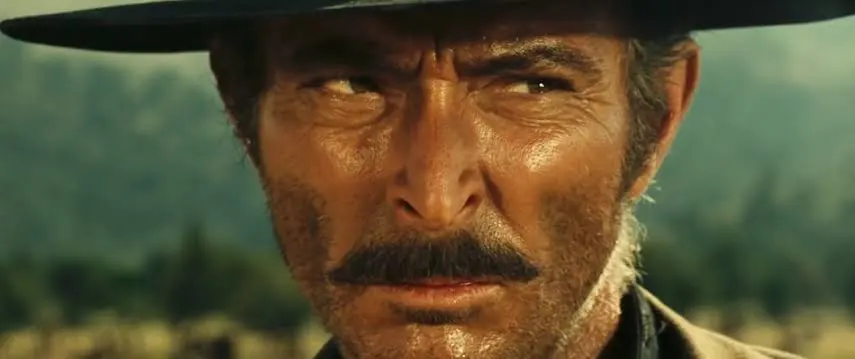
What made Lee Van Cleef timeless was not just his filmography, but his presence. He represented a different kind of masculinity on screen — restrained, confident, and unyielding. Directors trusted him. Audiences remembered him. And generations later, filmmakers still study the way he could dominate a frame without saying a word.
At 100 years since his birth, we honor more than a legendary actor. We celebrate a legacy of grit, style, and cinematic authority that continues to echo through film history. Lee Van Cleef was not merely part of the Western genre — he helped shape its soul. And like the lone rider disappearing into the horizon, his legend rides on forever.