EMILY MAITLIS DESTROYED BY FACTS! RUPERT LOWE WON’T BACK DOWN!
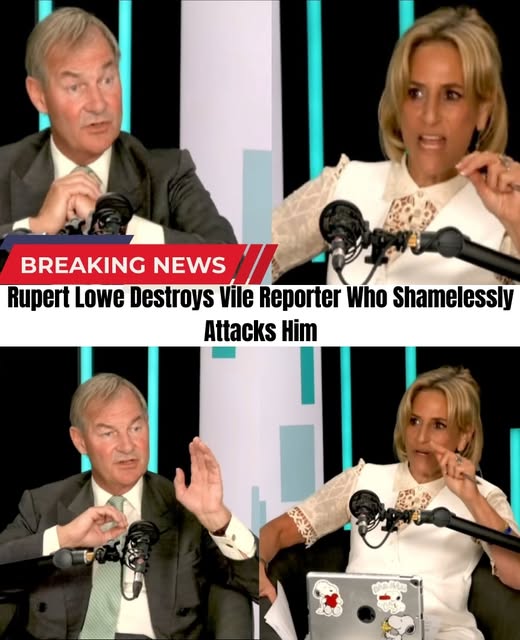
A live television interview featuring journalist Emily Maitlis and Reform UK MP Rupert Lowe has triggered widespread reaction online after a tense exchange over how organised child exploitation cases should be discussed in public.
During the interview, Maitlis challenged Lowe about previous remarks in which he referred to organised abuse cases involving offenders of Pakistani background. She questioned whether highlighting the ethnicity of offenders risks unfairly generalising entire communities and turning a serious criminal issue into a cultural or political argument.
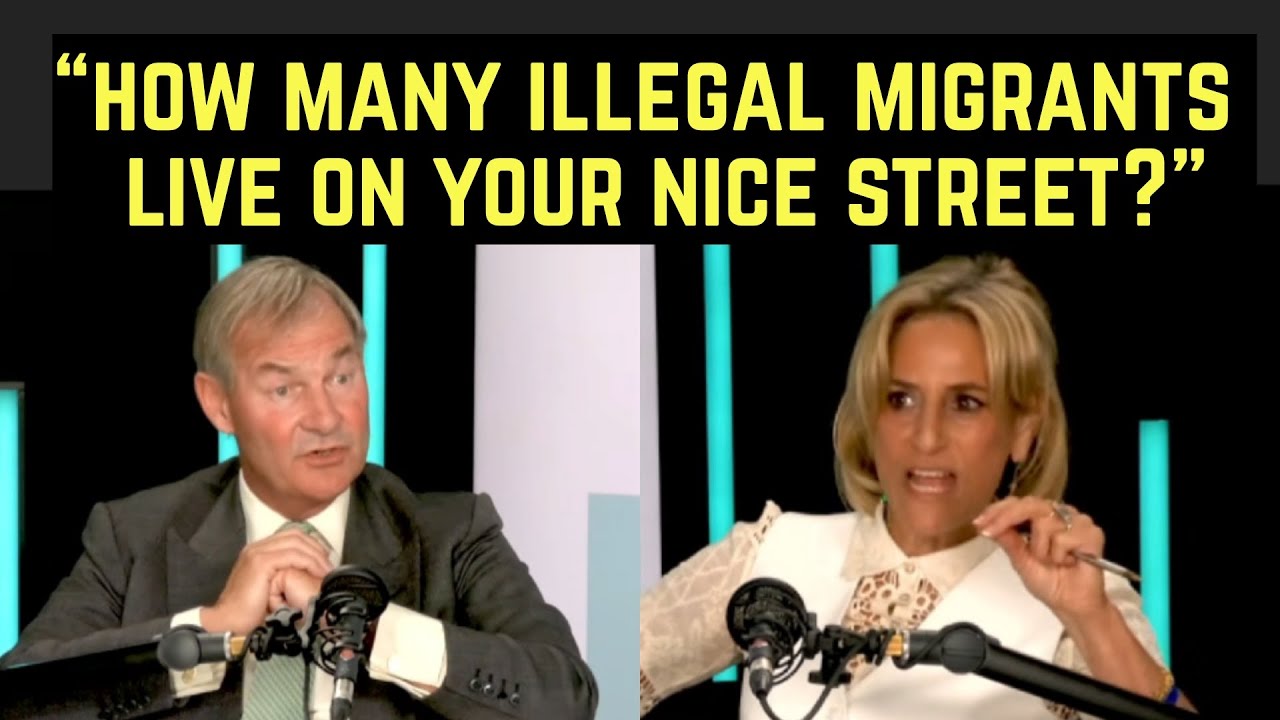
Lowe rejected that suggestion and defended his comments, saying they were based on official figures and court records. He argued that discussing patterns found in publicly available data is necessary if authorities and communities are to understand how organised exploitation operates and how victims can be better protected.
Maitlis responded by warning that crime statistics can be complex and may be misunderstood if presented without broader social and legal context. She maintained that the focus should remain on safeguarding children and preventing future abuse, rather than framing the issue in a way that could deepen social tensions.

The exchange quickly circulated on social media, with supporters of Lowe praising his use of data and his emphasis on accountability for offenders. Others sided with Maitlis, arguing that responsible reporting requires careful language when discussing sensitive crimes, especially when particular communities are mentioned.
Media commentators say the interview highlights a growing challenge for broadcasters and public figures alike: how to openly address serious and highly emotive criminal issues while avoiding oversimplification and the risk of stigmatising wider groups.