TOMMY ROBINSON VS. ITV: “LISTEN TO THE WOMEN!”
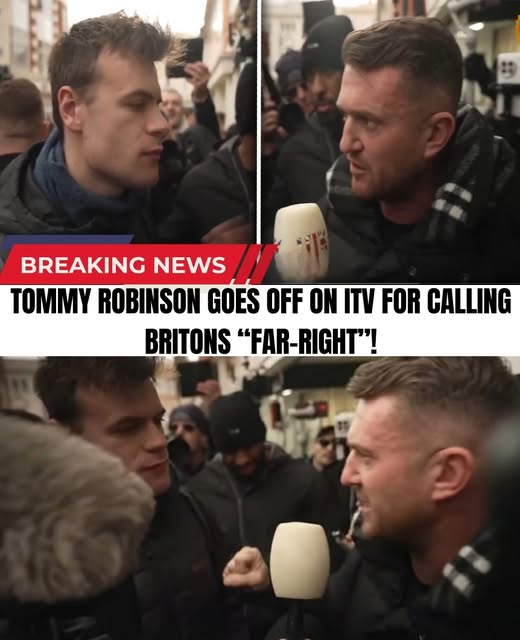
An on-street interview in Braintree has drawn widespread attention online after a tense exchange between an ITV reporter and public figure Tommy Robinson.
According to video footage circulating on social media, the reporter approached Robinson to ask questions relating to his past activities and public record. During the exchange, Robinson declined to focus on the questions being put to him and instead directed attention to a group of local women standing nearby.
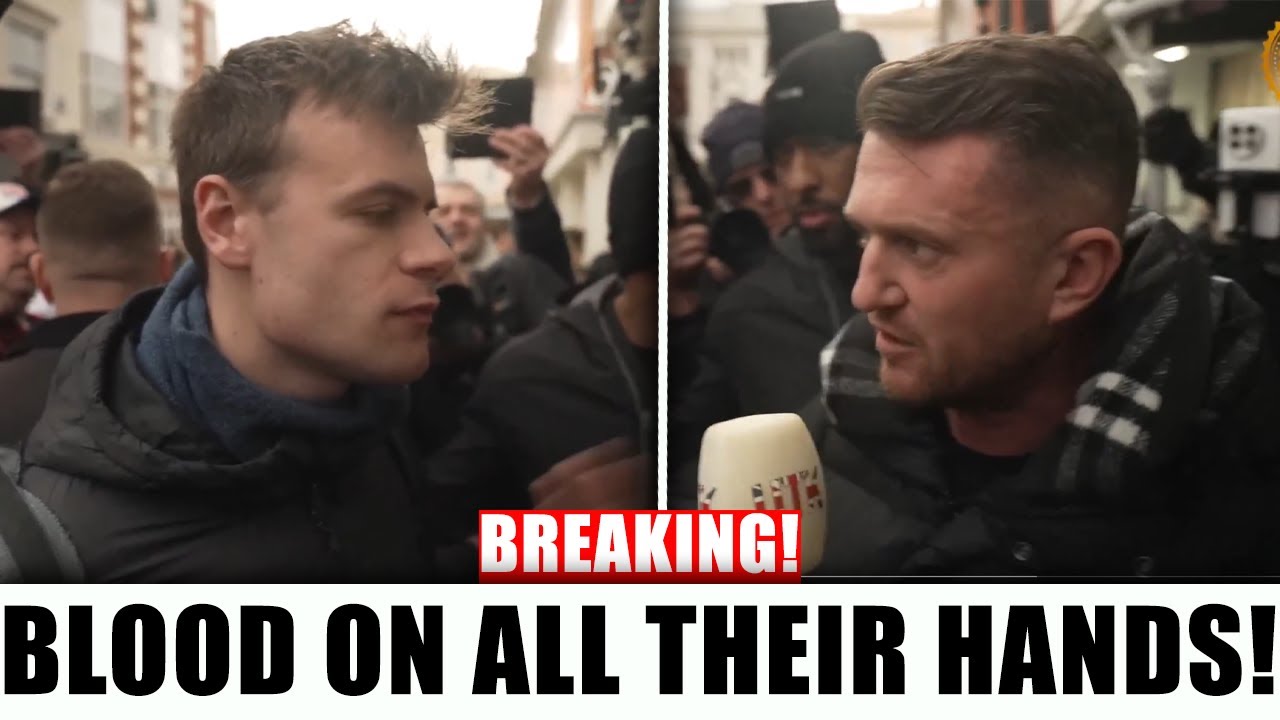
In the clip, Robinson is heard asking why media coverage was focused on him rather than on what he described as the concerns of women in the area, particularly their fears about safety in their own neighbourhoods. He gestured towards several mothers and elderly women who appeared to be part of a small local gathering behind him.
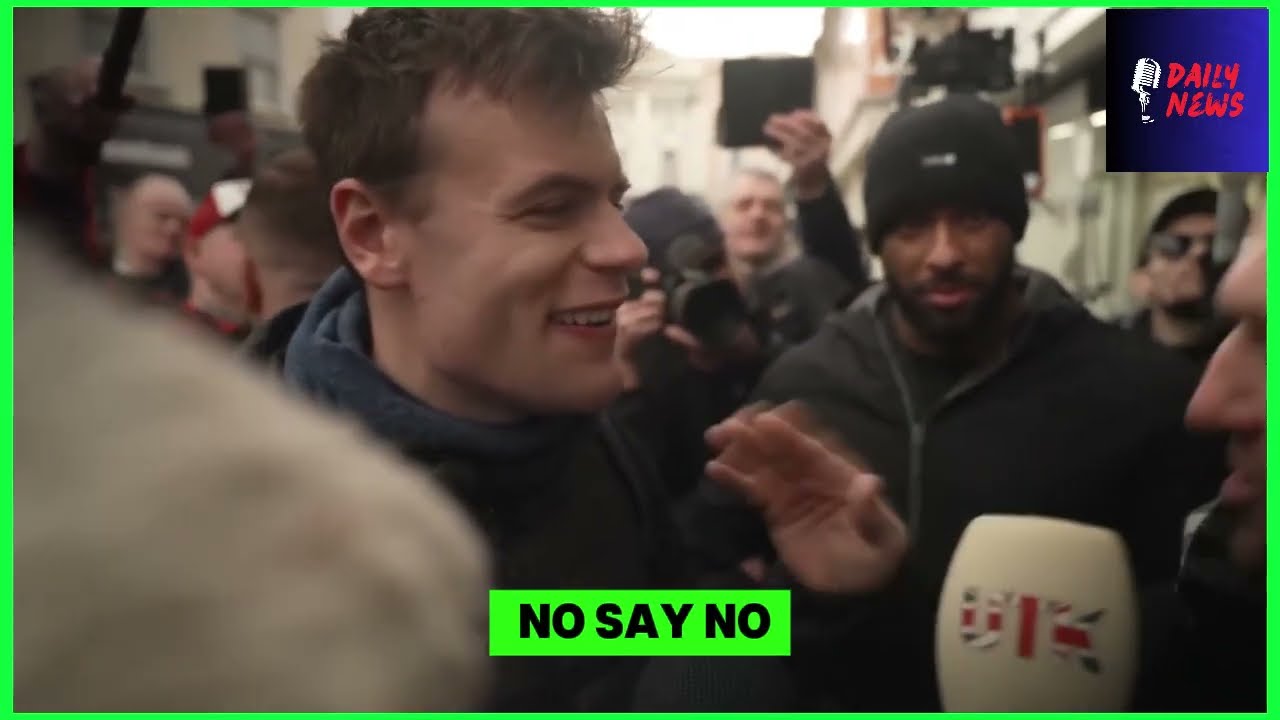
The reporter attempted to return to the original line of questioning, but the conversation ended shortly afterwards, with both sides speaking over one another as members of the public watched.
The footage has since been widely shared, prompting mixed reactions. Supporters of Robinson say the exchange highlighted what they believe are everyday community concerns that receive too little national attention. Others argue that the interview was disrupted and that broader issues raised by the reporter were not addressed.
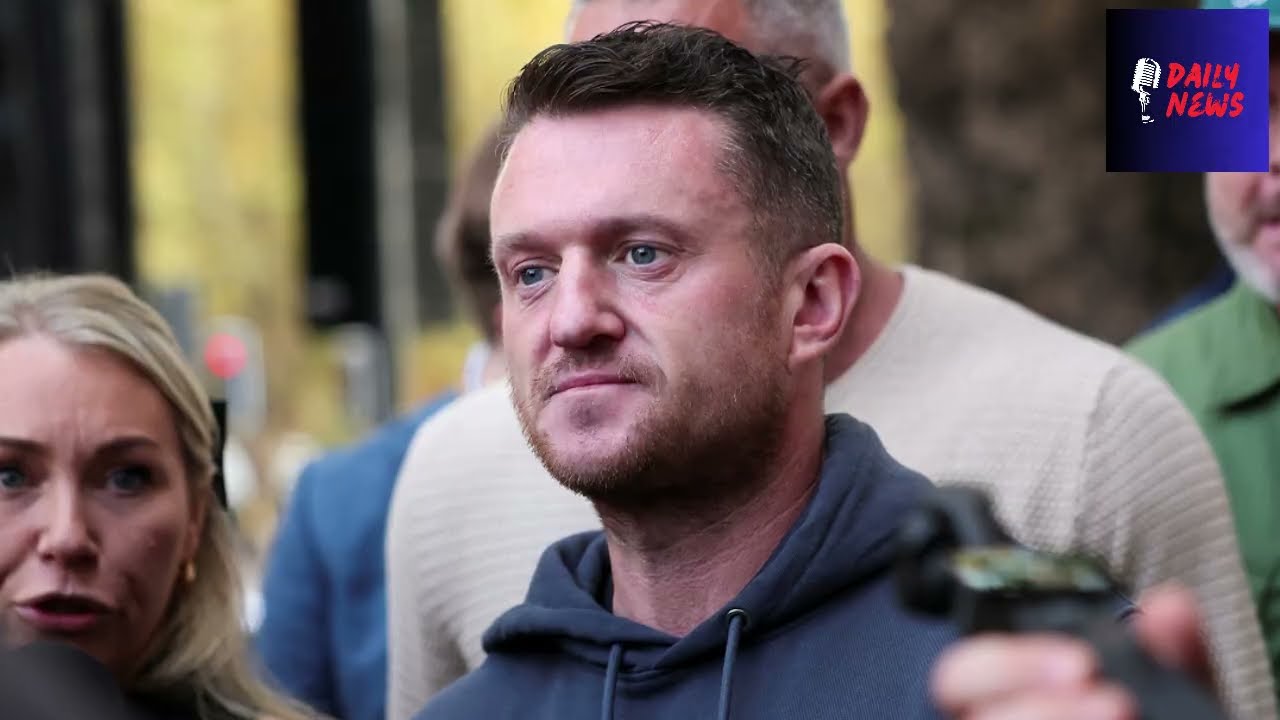
Media analysts note that street interviews involving controversial public figures often become confrontational, particularly when sensitive local concerns and personal histories intersect in a public setting.