When Silence Speaks Louder Than a Shout

It started as another sharp-edged tweet in a crowded timeline. Franklin Graham labeled Pete Buttigieg “dangerous” and went further, suggesting he should be “silenced.” In the online churn, it might have passed as just another provocation — loud, fleeting, and quickly replaced by the next outrage.
Then it met live television.
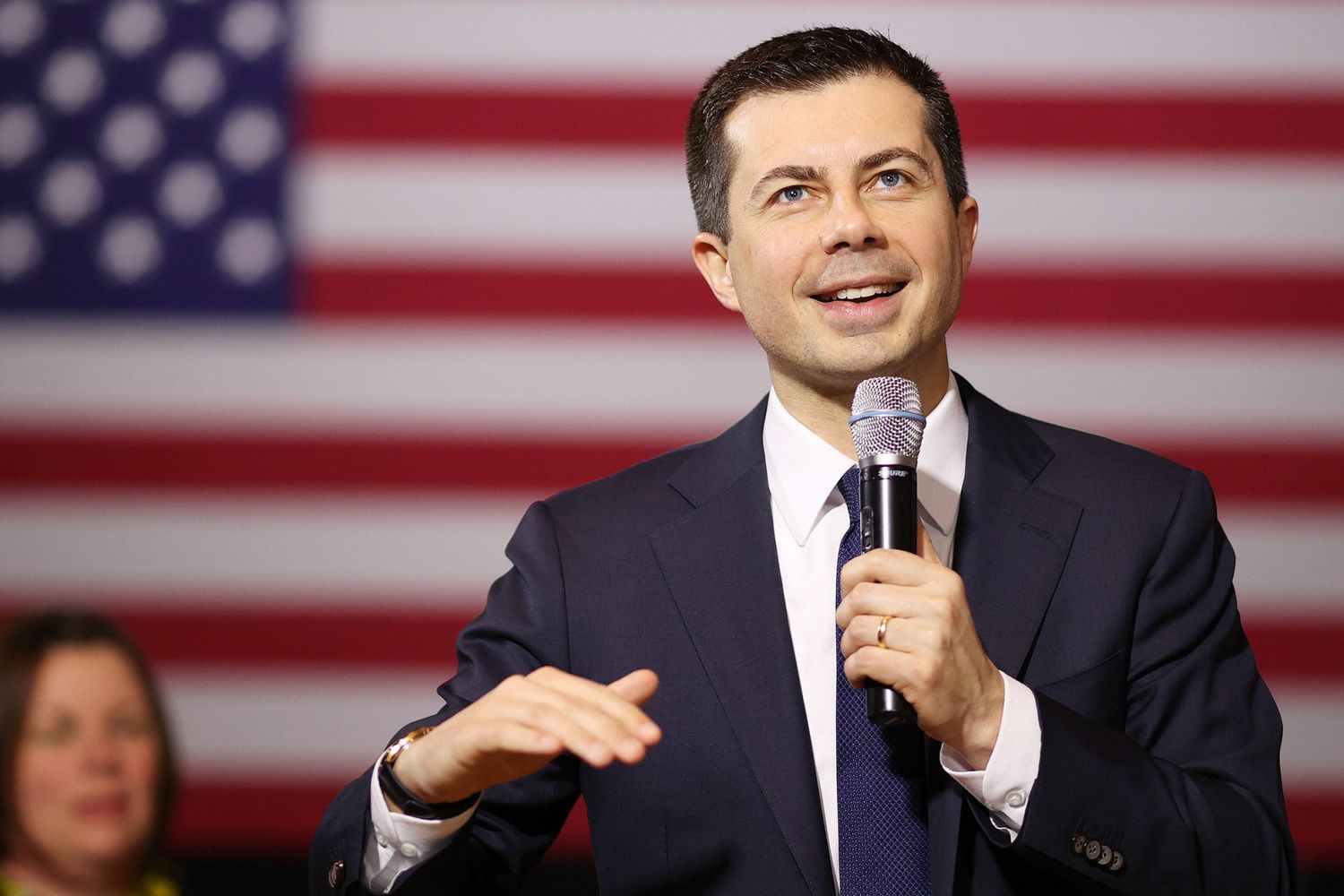
Buttigieg didn’t push back with force. He didn’t interrupt or raise his voice. He didn’t try to score points. Instead, he did something far more disarming: he read the tweet aloud, exactly as written. No edits. No mockery. No commentary. Just the words, hanging in the air, impossible to soften or spin.
The room changed.

After a brief pause, Buttigieg responded with measured calm:
“Disagreement isn’t danger. And silencing voices isn’t democracy.”
That was it.
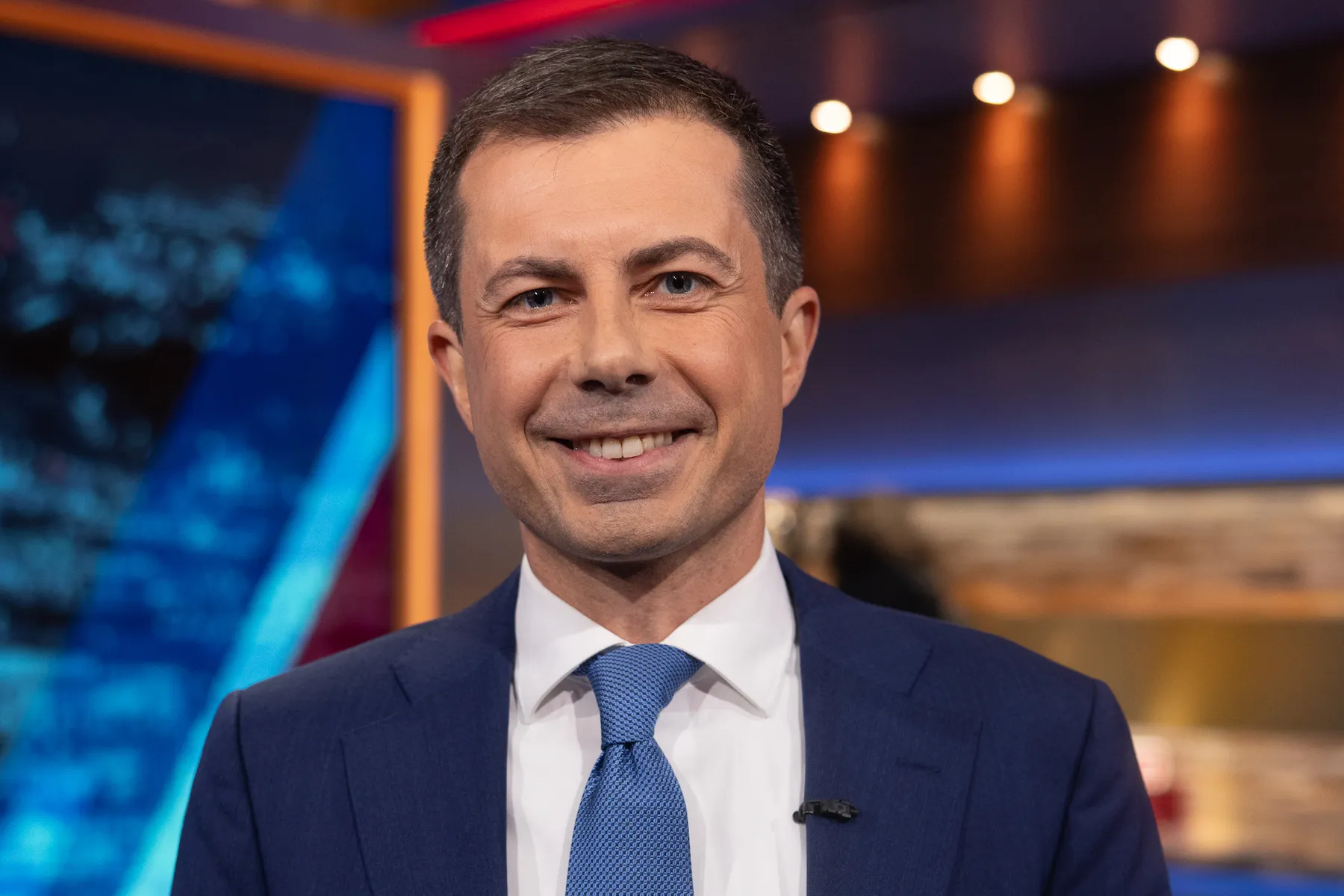
The studio fell silent — the kind of silence that lands heavy because everyone feels what just happened. Online, though, the moment exploded. Clips raced across social media within minutes, hailed by viewers as “the quietest takedown on TV.” Not because it was flashy, but because it was restrained.
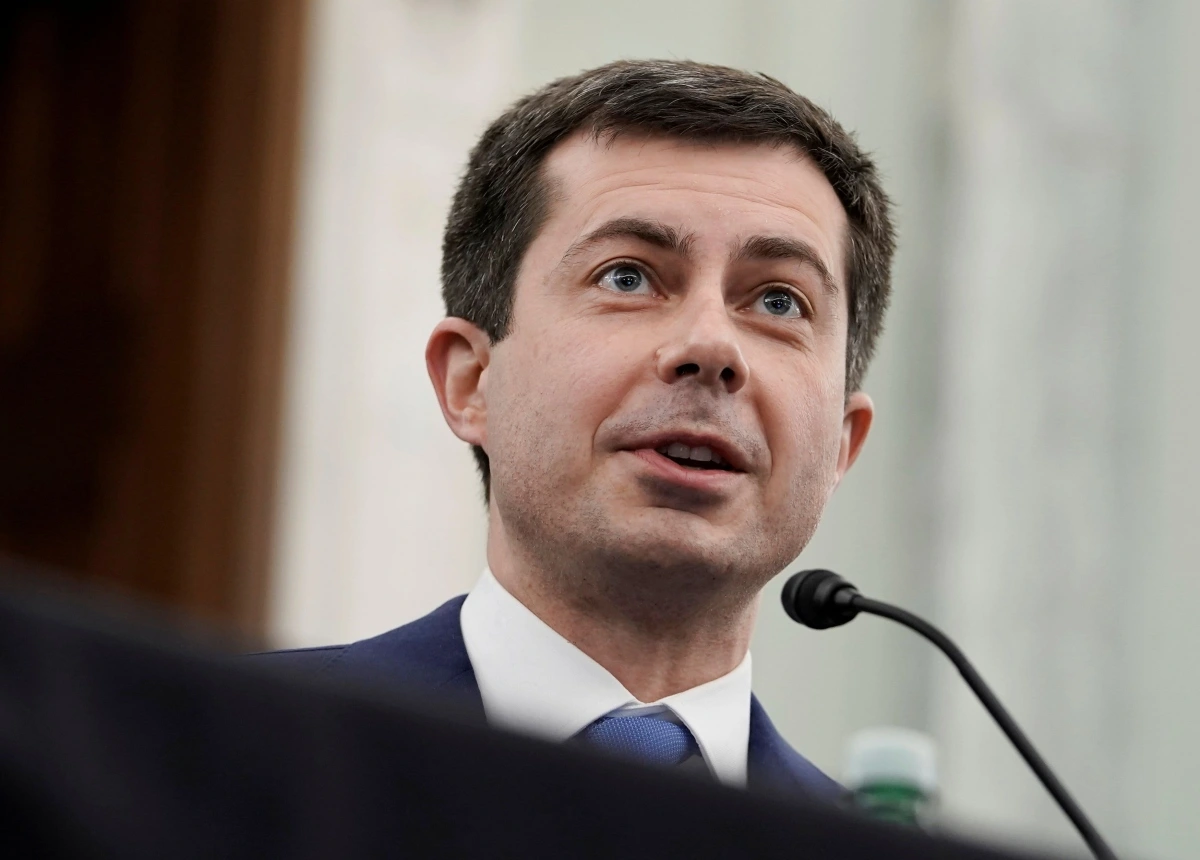
The exchange became a reminder that outrage isn’t always power. Sometimes composure cuts deeper. Sometimes the strongest response isn’t to overpower noise, but to let extreme words stand on their own — exposed, unembellished, and undeniable.
Strength doesn’t always shout.
Sometimes, it stays steady — and lets the noise collapse under its own weight. ✨