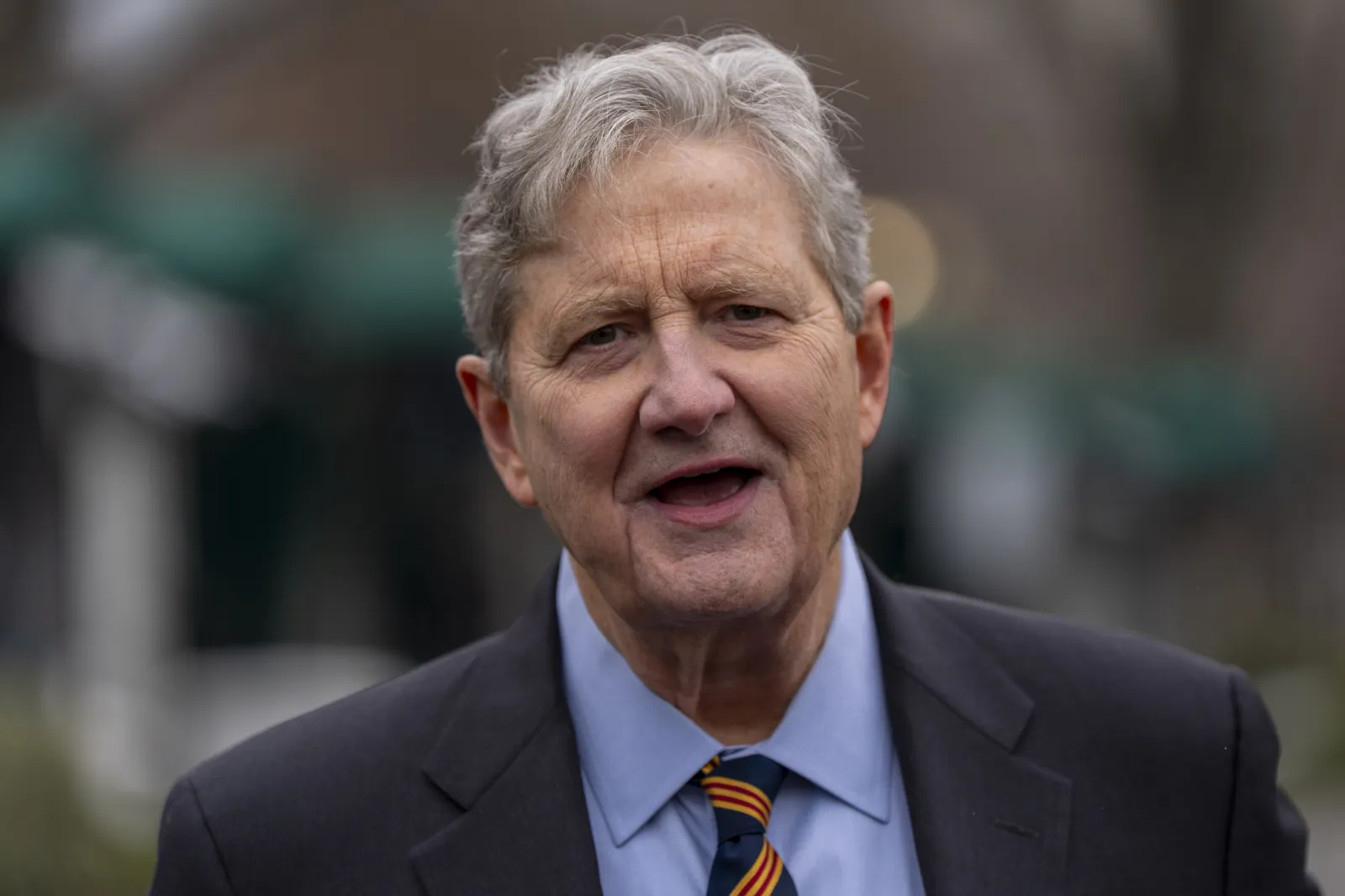
Claims, Counterclaims, and a City in the Crosshairs
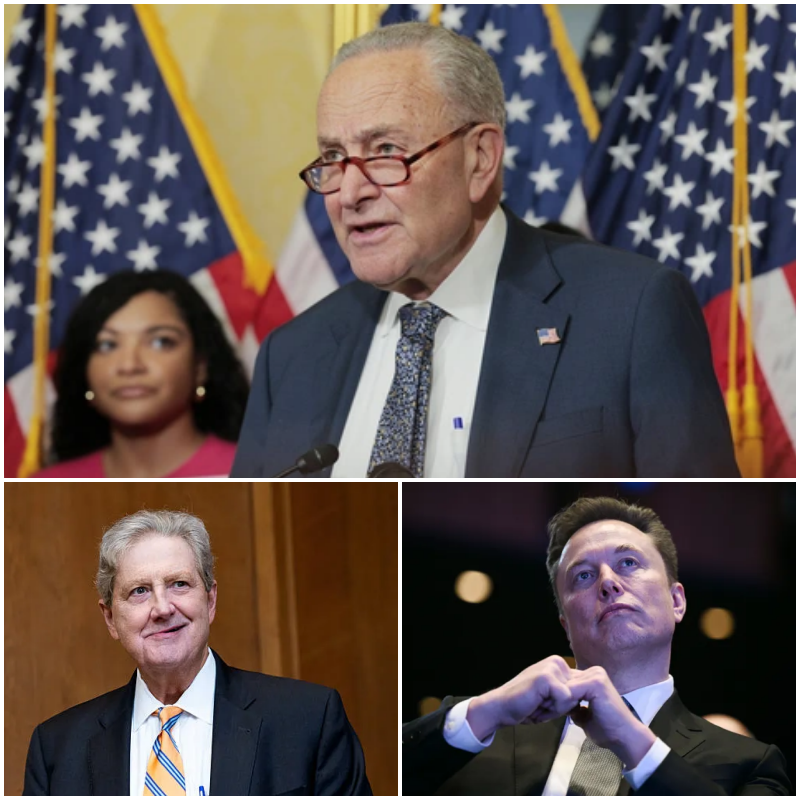
A single tweet was all it took to ignite a political firestorm. When Elon Musk declared that “New York City’s ballots are a scam,” the message ricocheted across social media, instantly pulling national attention toward America’s largest city and its election systems. Within hours, Senator John Neely Kennedy amplified the moment, calling for a sweeping federal inquiry into alleged irregularities — and the temperature in Washington spiked.
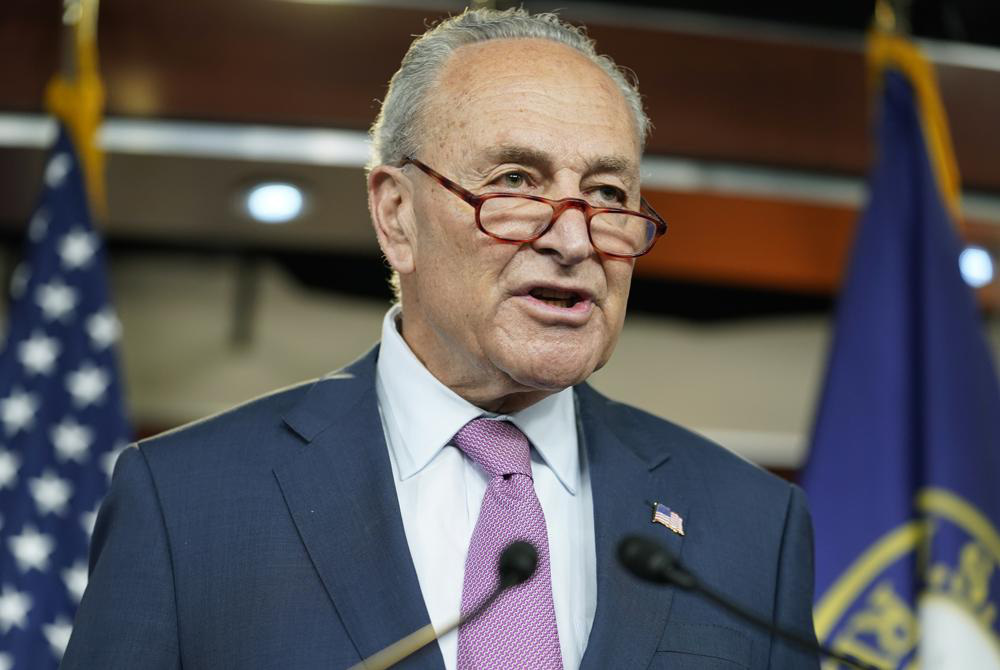
Supporters of the investigation framed it as a long-overdue reckoning. According to their accounts, Kennedy’s team began examining allegations ranging from mail-in ballot vulnerabilities to duplicated voter records and claims of organized ballot harvesting. The rhetoric surrounding the probe was intense, with Kennedy reportedly telling aides that the effort was about exposing deeply buried problems, not chasing headlines.

Critics, however, urged caution. Election officials and analysts warned that extraordinary claims require extraordinary evidence, stressing that allegations alone do not equal proof. They accused Musk and Kennedy of fueling speculation before verified facts were made public, arguing that such rhetoric risks undermining trust in democratic institutions.
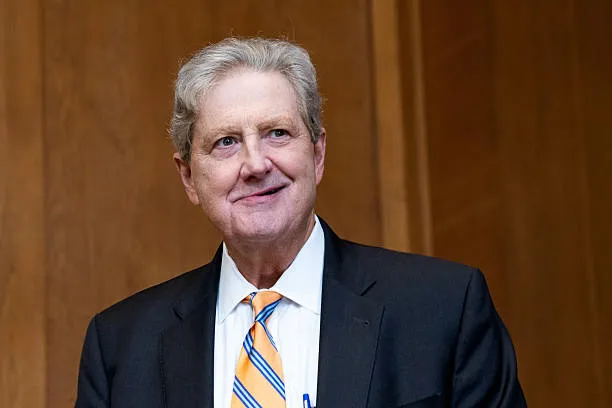
The reaction was immediate and polarized. Cable news panels lit up. Online, hashtags surged, timelines fractured, and conspiracy forums buzzed alongside legal experts calling for restraint. For some, this moment signaled a potential turning point in election oversight. For others, it looked like another chapter in the ongoing battle between perception, power, and proof.
What’s undeniable is the impact. With New York City suddenly cast as the focal point of a national controversy, the debate has moved beyond a tweet and into the broader conversation about transparency, accountability, and confidence in the electoral process. Whether these claims lead to substantiated findings or fade under scrutiny, the episode has already reshaped the political atmosphere — and reminded the country how fast words can turn into seismic events.