Rupert Lowe Presses Civil Servant Over Missing Financial Reports at Commons Committee
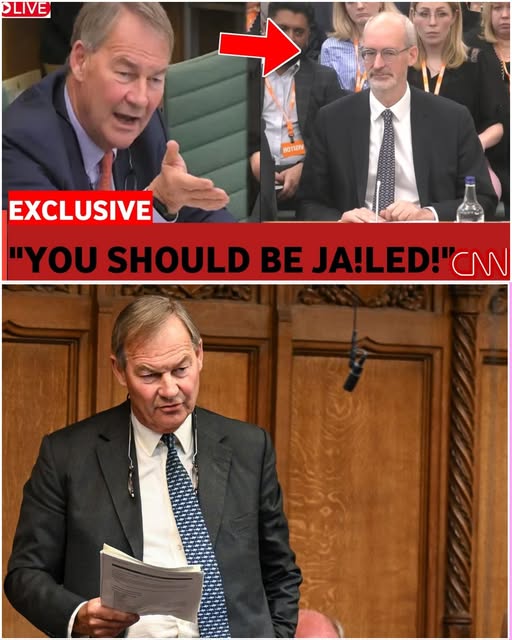
Reform UK MP Rupert Lowe sharply challenged a senior civil servant during a Commons committee hearing over the failure of thousands of public bodies to submit up-to-date financial information.
During the session, Lowe questioned why government departments continue to rely on outdated figures from previous years, while a large number of councils and public bodies have not provided current accounts.
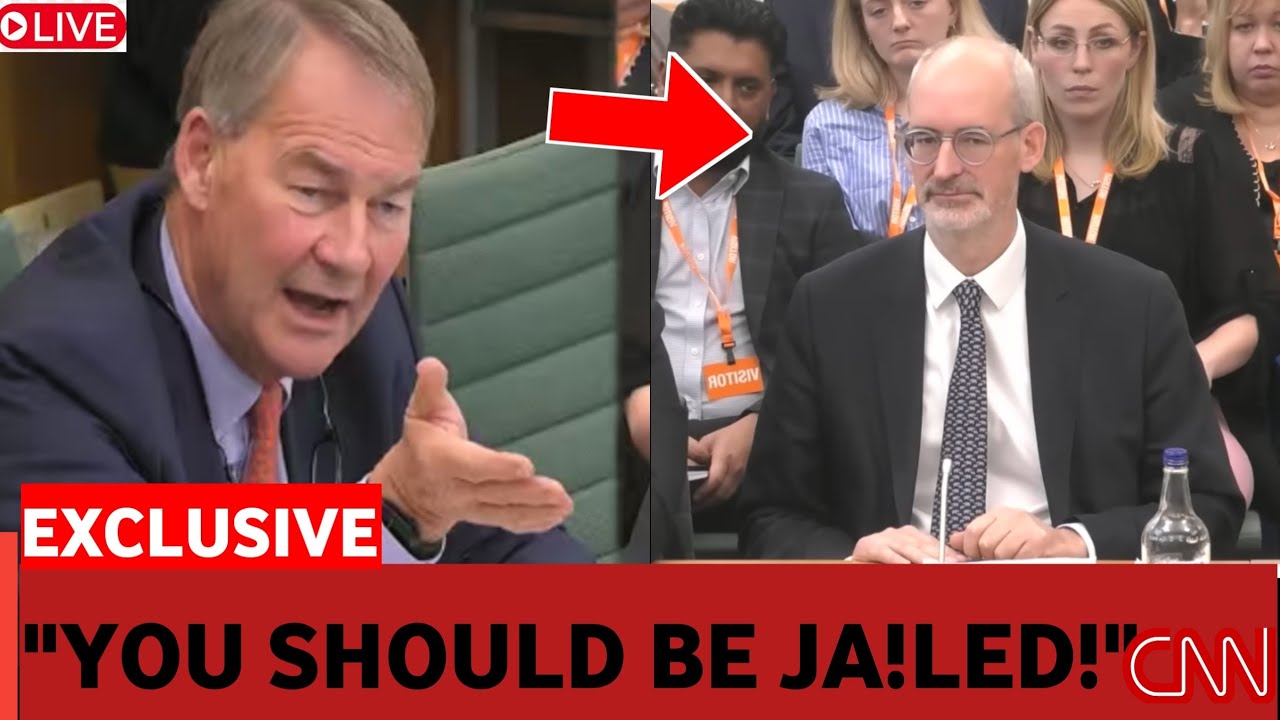
“Why are we recycling old data when so many public organisations have not filed their latest financial returns?” Lowe asked, warning that the lack of timely reporting weakens transparency and public trust.
The civil servant told the committee that central government often has to depend on historic data because many local authorities and public bodies do not submit their accounts on time.
Lowe compared the situation with the private sector, arguing that companies would face penalties for similar failures. He said public bodies should also face consequences when reporting obligations are not met, and described the current system as unfair to taxpayers and compliant organisations.
The exchange has drawn attention to long-running concerns about financial oversight in the public sector and how quickly government departments can obtain accurate, up-to-date information on public spending.
While no wrongdoing has been formally alleged, the committee hearing has intensified calls for tougher enforcement and clearer accountability for organisations that repeatedly fail to submit their financial data on time