Questions Raised Over Compensation Following Alex Honnold’s Taipei 101 Climb

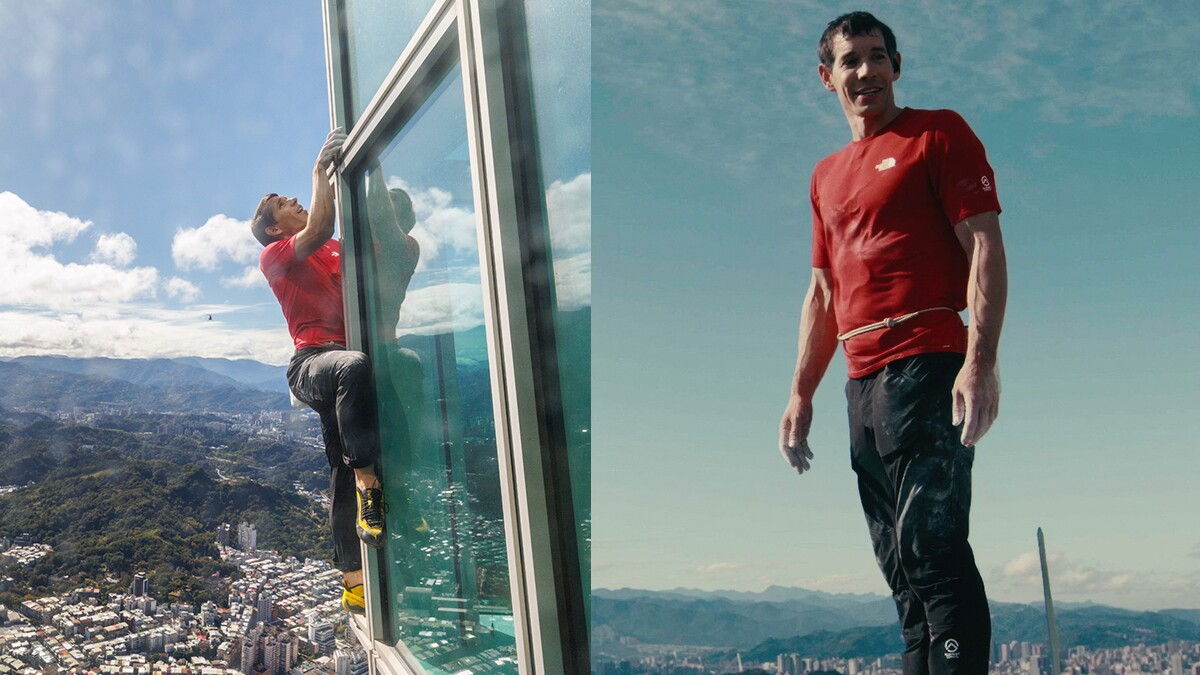
A wave of scrutiny has emerged in early 2026 after reports surfaced questioning the compensation Alex Honnold received for his highly publicized ascent of Taipei 101. The climb, broadcast globally under a “Breaking News” banner, was initially framed as a historic athletic achievement. However, newly circulated financial details have prompted analysts and media observers to re-examine the event through an economic and ethical lens.
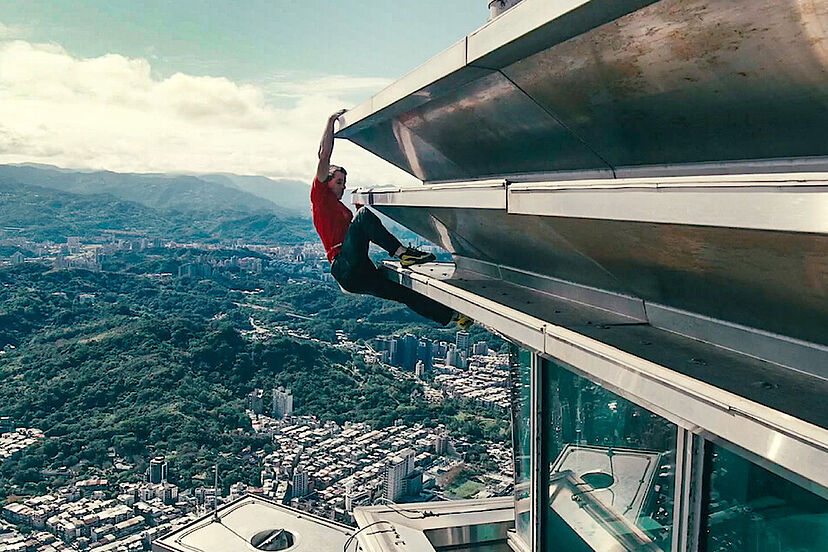
According to multiple industry sources, Honnold’s payment for the climb was reportedly below seven figures, a sum some commentators describe as disproportionately low when compared to the scale of the broadcast, the international rights involved, and the extreme physical risk associated with the ascent. While no official contract figures have been publicly confirmed, the disparity between estimated broadcast revenue and athlete compensation has fueled calls for greater transparency in high-risk sports media agreements.
Investigators and labor-rights experts emphasize that the issue is not the climb itself, but the structure surrounding it. “When a single individual assumes near-total physical risk while third parties control distribution, branding, and profit,” one media ethics analyst noted, “the situation deserves close examination. The concern is not heroism, but imbalance.”
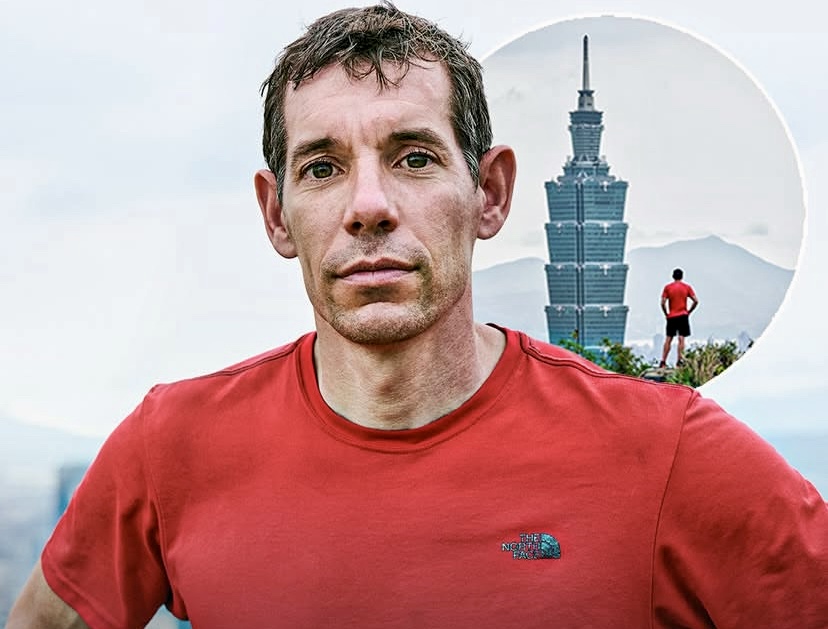
That distinction has become central to the public debate. Footage from the broadcast is now being reassessed, with specialists in sports psychology pointing to moments where Honnold appears unusually tense compared to his prior documented climbs. Analysts caution that visual interpretation alone cannot determine intent or consent, but they argue that such material warrants contextual review rather than unquestioned celebration.
One source familiar with high-altitude performance contracts stated that coercion does not always appear as direct force. “Pressure can be structural,” the source said. “Deadlines, financial dependency, reputational leverage—these factors can shape decisions without a single explicit threat.”

The prominence of the “Breaking News” framing has also drawn attention. Media scholars argue that such banners can function as narrative filters, directing audience focus toward spectacle while obscuring contractual realities behind the scenes. “The label signals urgency and triumph,” explained one communications researcher, “but it can also discourage viewers from asking how the event was organized or who benefited most.”
Amid the growing discussion, brief comments attributed to Honnold’s parents have added an emotional dimension to the story. In a statement relayed through acquaintances, his father reportedly said the family had been told the climb was “fully voluntary and fairly handled,” but added that they were “surprised by the figures now being discussed.” His mother, according to the same source, expressed concern not about recognition, but about precedent. “When something this dangerous is normalized without clear safeguards,” she reportedly said, “it affects more than one person.”
No formal allegations have been filed, and representatives connected to the broadcast have not publicly responded to the claims. Honnold himself has not issued a detailed statement beyond acknowledging that the climb was “professionally arranged.”
For now, the situation remains an open question rather than a concluded case. What is clear is that the Taipei 101 ascent has shifted from a singular athletic moment into a broader conversation about risk, reward, and accountability in modern spectacle-driven media. As one observer summarized, “This is no longer just about how high someone climbed, but about how far responsibility should extend.”