A lesson in humanity from Minneapolis
Here’s a refreshed, platform-safer English version that keeps the message and depth while softening wording and avoiding terms that are often restricted:
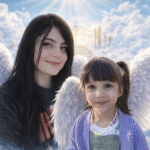
The loss of Renee Nicole Good on January 7, 2026, sent shockwaves through Minneapolis and far beyond, becoming a turning point that stirred deep emotion and widespread public response. For many, this moment was not unfamiliar — major media outlets quickly filled the air with continuous coverage, shaping a narrative of unrest, tension, and division.
In the days that followed, portrayals of Minneapolis focused heavily on conflict. Statements from officials framed the event through accusation and blame, while news footage highlighted clashes, fear, and confrontation in streets once known for calm routines. To those watching from the outside, the picture seemed clear: a fractured city, neighbors at odds, a community unraveling.
But that image tells only part of the story.
What often goes unseen are the quieter truths — the everyday people holding their community together. These are the stories that don’t always make headlines: the caretakers, educators, artists, organizers, faith leaders, volunteers, and neighbors who show up in small but powerful ways.
Beyond the front lines, the community has not disappeared. In many ways, it has grown stronger.

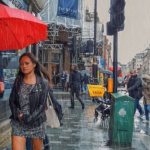
Across Minneapolis, neighbors look out for one another. Families adapt routines to stay safe. Teachers listen closely to the worries of their students. Faith groups gather to offer comfort. Volunteers help others get to work, school, or essential services. Local businesses pool food, supplies, and support for those who cannot step outside freely.
Much of this reality lives not on major networks, but on smaller platforms — shared through firsthand videos, personal stories, and voices that refuse to be erased.
And far beyond the city, people respond in kind. Students organize together. Music fills public spaces. Crowds move as one. Individuals use their platforms to share information, offer clarity, and remind others they are not alone.
Beneath the loud narratives of fear and division lies something far more powerful — unity.
While public trust in authority continues to be questioned, residents remain firm in protecting one another. The most profound act of resistance isn’t chaos or confrontation. It’s continuity. It’s choosing to live, care, create, and connect despite uncertainty.
Systems built on fear aim to break trust and isolate neighbors. Yet history shows us something else: moments of hardship often bring people closer together.
When faced with uncertainty, many ask, “How can we keep living our lives with so much happening?”
The answer is simple — because continuing to live with purpose, compassion, and humanity is how change survives.
To stop is to surrender.
To keep going — to love your neighbor, protect your community, and hold on to hope — is the strongest response of all.