Federal Probe Uncovers Deeply Embedded Criminal Network Hidden Behind Public Institutions
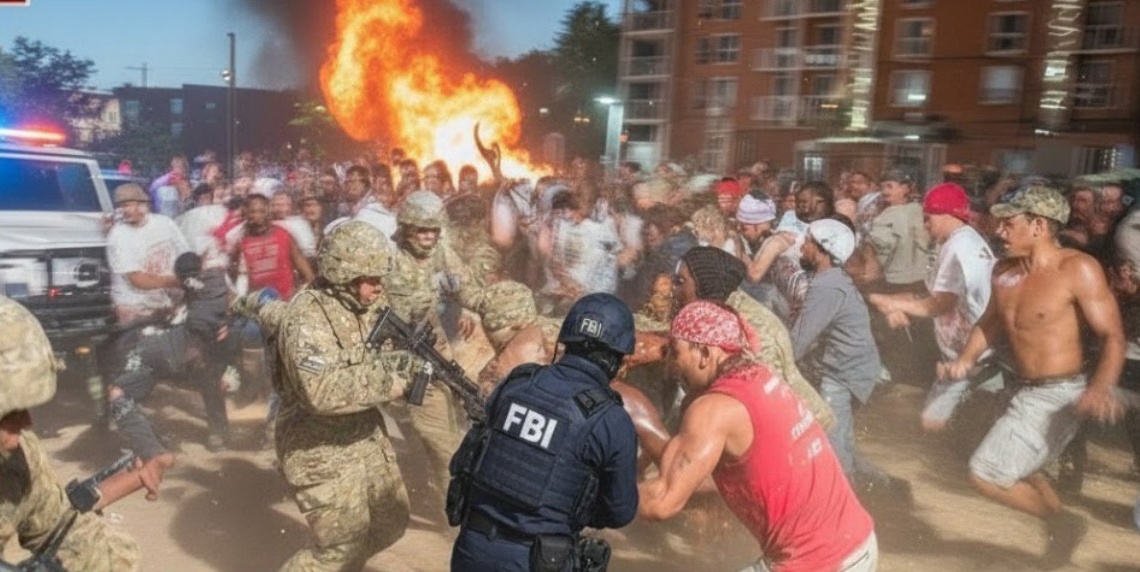
Federal authorities have revealed the results of one of the most far-reaching criminal investigations in recent years, exposing a network that investigators say exploited public infrastructure, institutional trust, and periods of national unrest to conceal large-scale illegal activity.
What began as a corruption case involving a former federal contracting officer soon expanded into a multi-agency operation that uncovered systemic failures across several institutions—and revealed how authority and silence were used as tools to shield wrongdoing.
At the center of the initial case was Rodrik Watson, a former federal contracting officer who admitted in court to accepting more than one million dollars in bribes while employed at USAID. Prosecutors stated that Watson steered lucrative government contracts to two consulting firms in exchange for illicit payments.
At the time, the case was considered serious but contained. That perception quickly changed.
“This was not an isolated abuse of authority,” a senior federal investigator said during a briefing. “It was an entry point into a structure that had already been operating quietly for years.”
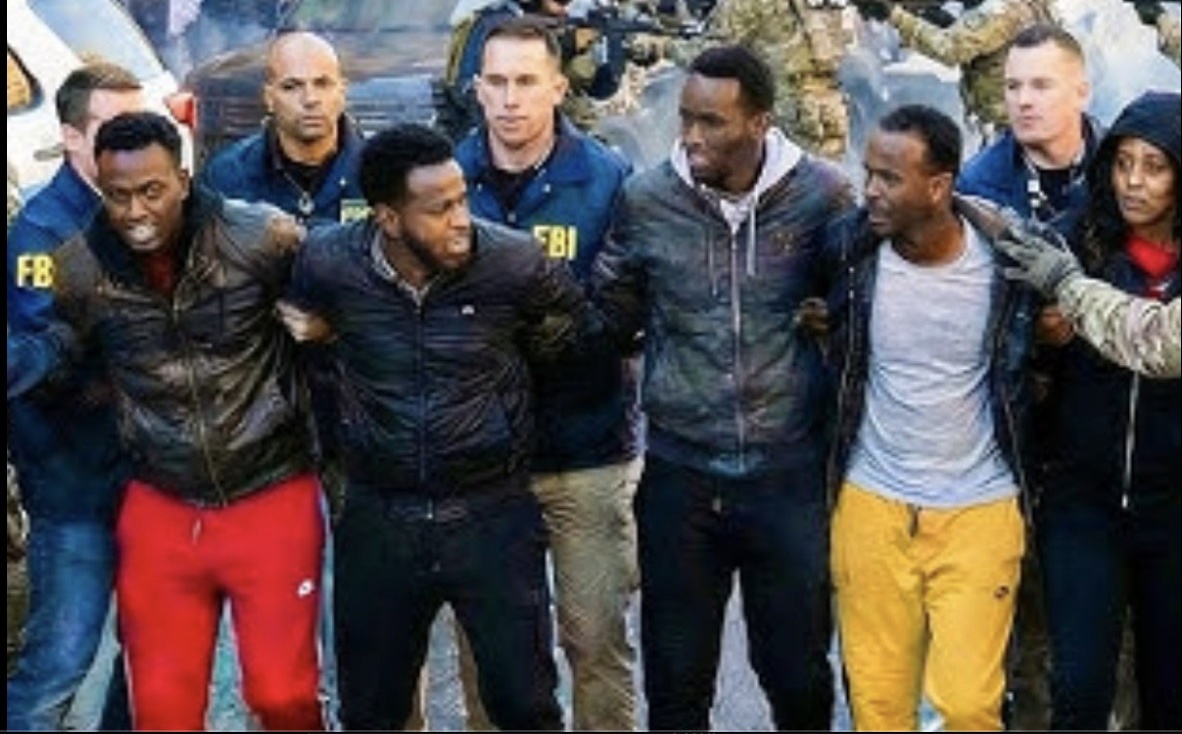
As investigators followed financial trails connected to the bribery scheme, they began encountering anomalies that extended well beyond procurement fraud. Around the same period, federal health and security agencies were reclassifying fenta*yl as a weapon of mass harm, citing estimates that between 200,000 and 300,000 deaths annually were linked to its spread.
Officials warned that distribution networks had evolved beyond traditional criminal groups and were increasingly embedded within logistics systems designed for legitimate commerce.
Those warnings became reality during a coordinated operation carried out at 3:47 a.m. on a winter night outside Des Moines, Iowa.
More than 300 federal agents converged on an unremarkable warehouse in an industrial zone—an area long considered low-risk. From the outside, the building appeared abandoned. Inside, investigators found evidence of a highly organized, long-running operation.
A brief confrontation occurred during the initial breach, leaving several agents injured but alive. Authorities later emphasized that the resistance itself demonstrated how deeply entrenched the operation had become.
“The idea that this region was insulated from organized trafficking is no longer defensible,” an official familiar with the raid said.
The raid came amid weeks of national unrest following the fatal shooting of a 51-year-old elementary school teacher during a separate federal inquiry. Protests erupted nationwide, drawing public attention and overwhelming local response systems.
Within twelve days, more than 40 people died during escalating confrontations, and over 4,000 demonstrations were recorded across the country.
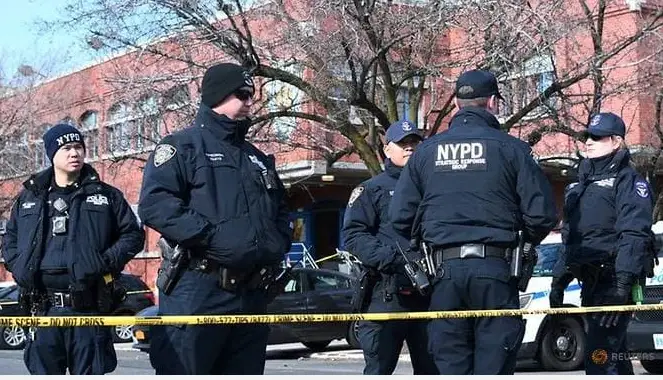
During that same window, 37 children were reported missing. Many cases were delayed, misfiled, or left unresolved.
Federal analysts believe the timing was deliberate.
“Chaos creates noise,” one analyst explained. “And noise is cover.”
Investigators later identified Edward K. Marston, a 58-year-old corrections official with more than two decades of service, as a central figure in the operation.
Marston was widely regarded as a symbol of stability. His reputation, officials say, was not incidental—it was functional.
Audits revealed missing construction funds totaling $12.7 million, unauthorized personnel file edits, and electronic approvals that did not match verified signatures. Travel records showed Marston’s movements aligned closely with multiple disappearance reports.
The most significant discovery came beneath an abandoned industrial block, where agents uncovered a sublevel facility registered to 11 shell corporations with no verifiable owners.
Inside, authorities found 226 individuals confined in small chambers. Names had been replaced with numbers. Nearby containers and compressed packages indicated a trafficking pipeline moving more than five tons of narcotics annually, with mapped routes spanning multiple states.
“Everything about the site suggested planning, not improvisation,” an investigator said. “It was designed to be invisible.”
Seventeen of the recovered individuals were children, some as young as six. Medical teams documented severe physical and psychological trauma.
One mother, whose child was among those rescued, spoke briefly through tears.
“For weeks, we were told to wait,” she said. “They said the system was working. But my child was underground while paperwork sat on a desk.”
Another parent described the silence as the most painful part.
“No one called us. No one followed up,” a father said. “If this hadn’t been found, we don’t know if we ever would have had answers.”
Financial audits traced more than $510 million through a charitable organization publicly supported by Marston. Funds were labeled as community outreach grants, each transaction structured to remain below reporting thresholds. Most listed beneficiaries did not exist.
Following Marston’s arrest, 13 state departments were placed under investigation. Hundreds of missing person cases were reopened. Within weeks, officials reported a significant drop in overdoses linked to fenta*yl, underscoring the network’s reach.
Federal officials stressed that accountability must extend beyond individual actors.
“This case isn’t just about who broke the law,” one official said. “It’s about how systems were conditioned not to see.”
Authorities caution that what unfolded in Iowa should not be viewed as an anomaly.
The investigation has become a case study in how routine, authority, and institutional trust—when left unchecked—can conceal harm in plain sight.
The raid itself lasted minutes.
The recovery, officials say, will take years.
Justice, investigators noted, begins not with power—but with the refusal to look away.