The Haunting Contrast: Renée’s Radiance vs. The Crime Scene
The Haunting Contrast: Renée’s Radiance vs. The Crime Scene
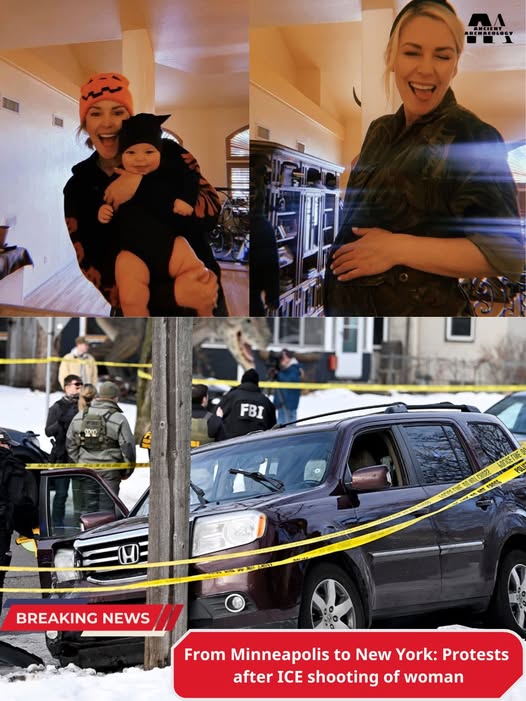
“New images of Renée Good—vibrant, pregnant, and glowing with life—have surfaced, making the presence of FBI and forensic teams around her bullet-riddled SUV even more haunting as the nation grapples with the ‘shattered silence’ of a life cut short.”
The Radiance of a Life Interrupted
The “Pretti Files” and the ongoing investigation into Operation Metro Surge have taken a deeply personal turn as the Good family released a series of private photographs. One particular image, taken just weeks before the January 7 tragedy, shows Renée Nicole Good radiant and smiling, celebrating her pregnancy. This “visual testament” to her humanity stands in jarring opposition to the sterile, high-contrast digital forensic photos of her silver SUV. The contrast is visceral: the glow of a mother-to-be versus the cold reality of yellow crime scene tape and the numbered evidence markers surrounding the ten bullet holes that pierced her vehicle’s frame.
Forensic Brutality and the “SUV Secrets”
As federal agents and FBI forensic teams continue to dismantle the crime scene in South Minneapolis, the “sinister architecture” of the event has become impossible to ignore. Digital analysts have been overlaying Renée’s final “POV” cellphone footage with the forensic mapping of the SUV. This process has revealed a disturbing lack of tactical necessity; the bullet trajectories, as highlighted in the private autopsy, suggest that agents were firing into the vehicle from angles that contradict the “immediate threat” narrative. The haunting nature of these images lies in the details: a discarded child’s toy visible on the backseat floorboard, mere inches from where a high-velocity round embedded itself in the upholstery.
A National Reckoning Through Imagery
The “Haunting Contrast” has become a rallying cry for activists and neighbors from Minneapolis to the Bay Area. By humanizing Renée through her “glow of life,” the legal team—led by Romanucci & Blandin—is forcing a conversation about the “digital horror” of modern policing. As of February 11, 2026, the public pressure on the DOJ has reached a breaking point, with millions demanding that the “radiance” of the victim not be erased by the “clinical silence” of a federal report. These images serve as a permanent reminder that behind every forensic file and every “breaking news” alert, there is a shattered family searching for the “radical kindness” that Renée championed.