Rachel Reeves Sets Out Economic Plan Focused on Living Costs and Long-Term Growth
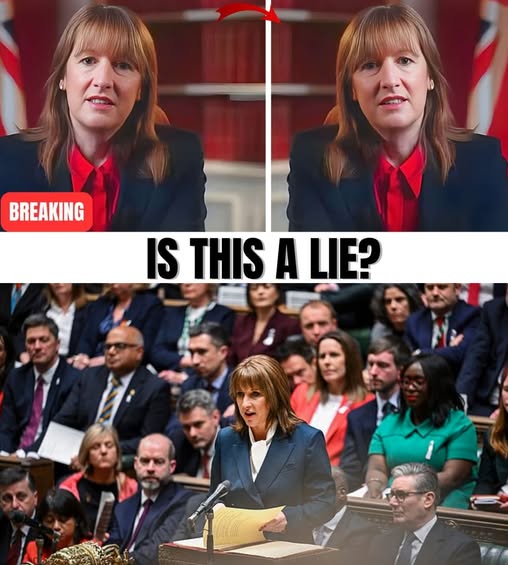
Rachel Reeves Unveils Bold Economic Budget Aimed at Rebuilding Britain’s Economy and Addressing Cost of Living Crisis In a move that could reshape the future of the UK, Rachel Reeves introduces a daring economic budget designed to tackle the mounting cost of living crisis and revitalize the nation’s economy. With sweeping measures aimed at boosting growth, supporting struggling families, and curbing inflation, Reeves presents a roadmap for recovery. The plan sparks fierce debate, with critics questioning its feasibility while supporters rally behind the ambition to pull Britain back from the brink. A defining moment in the political battle for the nation’s financial future. More details below
Rachel Reeves has unveiled a new economic budget proposal aimed at easing the cost of living and rebuilding confidence in Britain’s economy, placing affordability and stability at the centre of Labour’s financial strategy.
Speaking as part of a wider policy launch, the shadow chancellor outlined measures designed to support households under pressure, strengthen public services and encourage long-term investment across key industries. The plan places strong emphasis on boosting productivity, supporting working families and restoring economic credibility after years of uncertainty.
Reeves said the proposals are intended to create a more secure foundation for growth, while ensuring that future spending commitments are funded responsibly. She also stressed the importance of closer cooperation between government, business and local communities to help drive regional development and job creation.
The announcement has prompted an immediate political response. Critics questioned whether the proposals can deliver meaningful change without placing additional strain on public finances, while supporters described the plan as a clear and ambitious alternative to current economic policy.

As debate continues in Westminster, the proposals are expected to play a central role in shaping Labour’s economic message in the months ahead.