Inquiry Finds Failings in Response to Deadliest Channel Crossing as UK Faces Renewed Pressure Over Small-Boat Arrivals
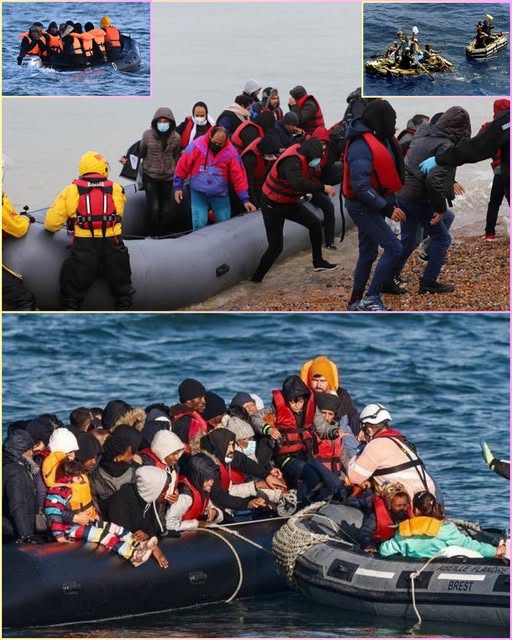
An independent inquiry has delivered a stark verdict on the deadliest small-boat crossing in the English Channel, concluding that some of the 30 deaths could have been prevented.
The report identifies a series of systemic failures during the emergency response, including missed and delayed distress calls and severe staffing shortages that slowed the coordination of rescue efforts at a critical moment. Investigators said these weaknesses reduced the ability of authorities to react quickly when people were in immediate danger.
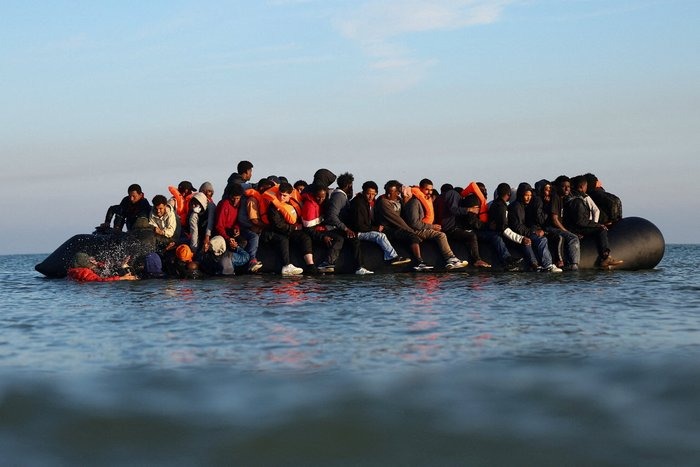
The inquiry also highlights long-standing operational pressures within maritime and border response services, warning that overstretched resources have become a persistent risk to life in the Channel.
While the report does not place responsibility on individual frontline staff, it raises serious concerns about planning, resourcing and communication between agencies. It calls for urgent improvements in staffing levels, clearer command structures and more robust monitoring of emergency alerts.