Growing Tensions Inside the EU as Several Member States Signal Pushback Against Brussels
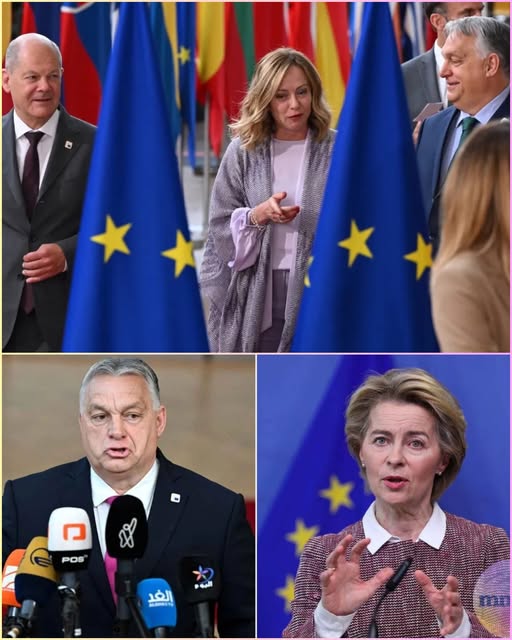
Political tensions are rising inside the European Union after several member states signalled increasing resistance to policies and influence from Brussels, raising fresh questions about unity inside the bloc.
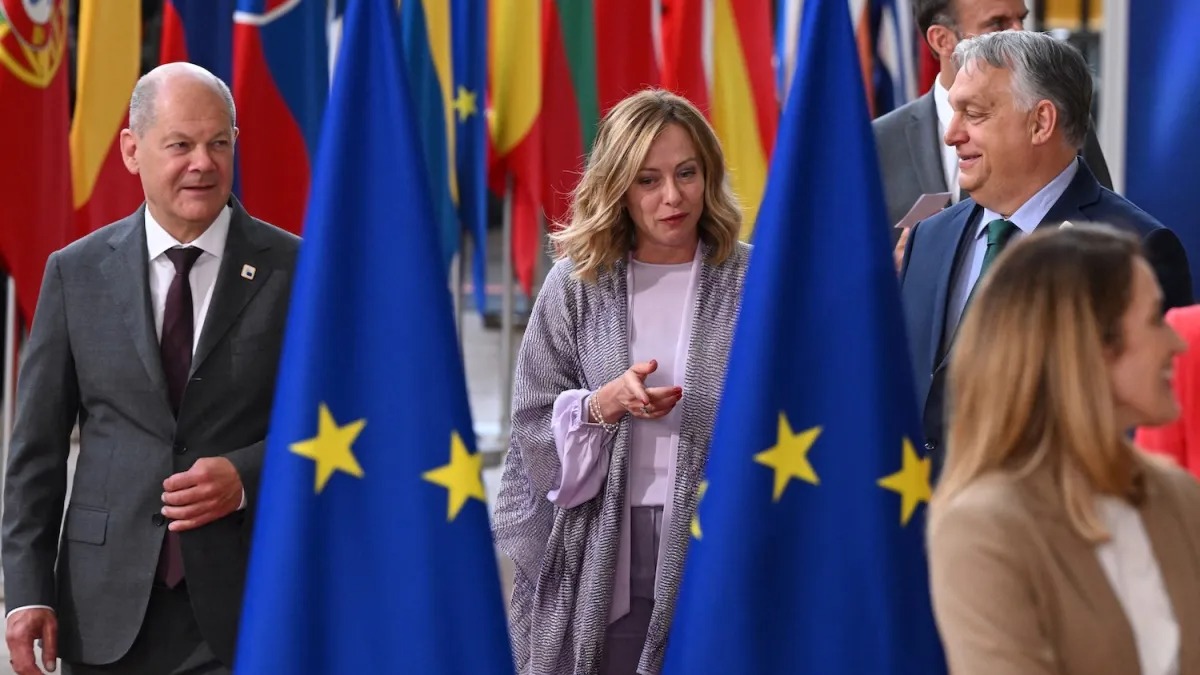
Governments in Italy, Hungary, Poland and Austria have all recently expressed concerns over the scope of EU decision-making, particularly in areas such as migration, national budgets, energy policy and judicial standards. Senior figures in those countries argue that national governments should retain greater control over domestic priorities, while EU institutions maintain that common rules are essential to protect the single market and shared democratic standards.
The renewed friction comes as a number of countries enter sensitive election periods, with EU membership and sovereignty becoming central political issues. Analysts say some of the strong rhetoric may be aimed at domestic voters, but warn that repeated public disputes risk weakening trust between national capitals and EU leadership.
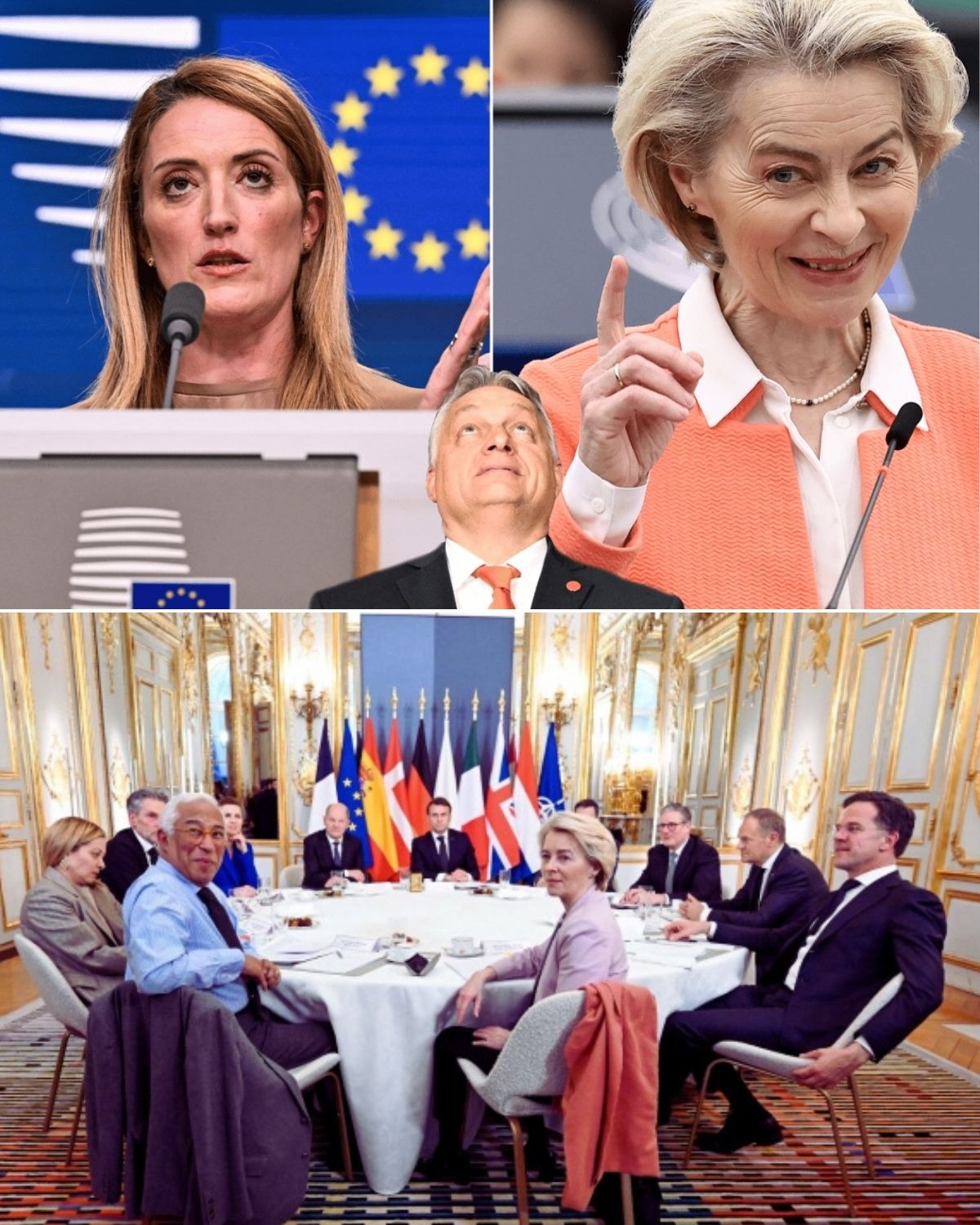
Brussels officials have so far played down suggestions of a serious rupture, stressing that disagreement between member states is a normal part of the Union’s political process. However, observers note that long-running disputes over rule-of-law standards and policy coordination continue to place strain on the bloc.
Whether the current pushback reflects short-term political pressure or deeper structural challenges for the EU remains an open question.