Dominic Cummings Sparks Political Row With Call for Tougher Channel Deterrence Measures
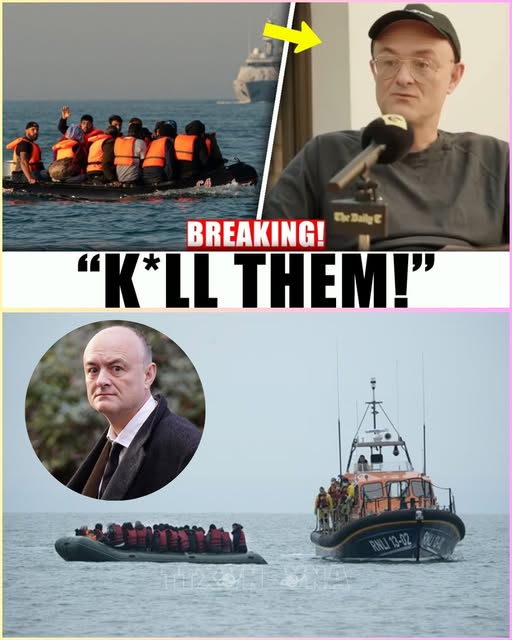
Former Downing Street adviser Dominic Cummings has triggered a fresh political storm after publicly calling for far tougher measures to deter small-boat crossings in the English Channel.
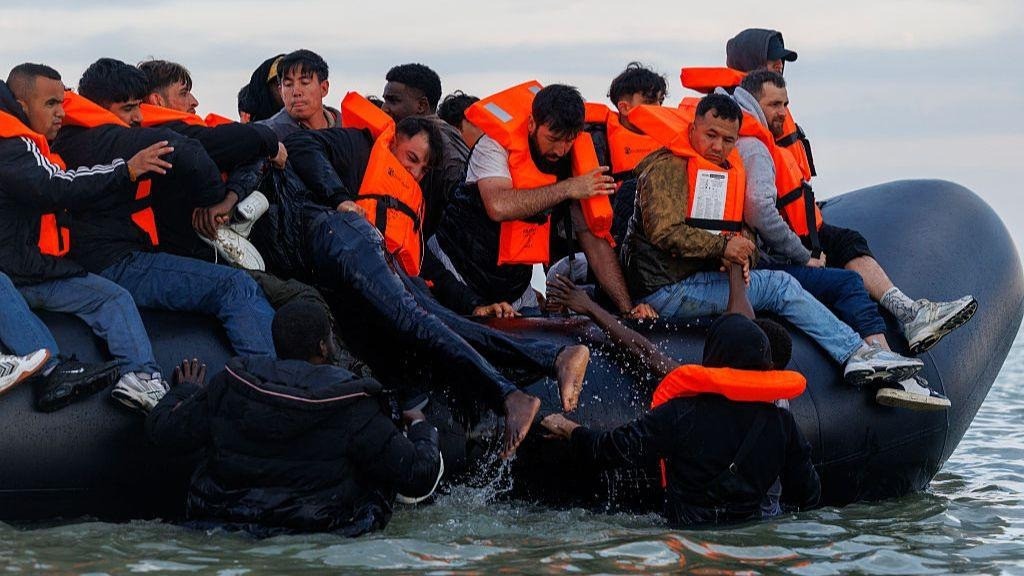
In comments shared online and in media interviews, Cummings argued that the Royal Navy should play a direct role in intercepting boats and said existing legal frameworks, including the Human Rights Act, restrict the government’s ability to act more forcefully. He also suggested that people arriving in the UK via irregular routes should be transferred to offshore processing facilities.
The proposals were immediately met with sharp criticism from across Westminster. Opponents said the ideas raise serious legal and humanitarian concerns and warned that deploying military assets in such operations could create significant risks at sea. Legal experts also questioned whether repealing domestic human rights legislation would address the international legal obligations that govern border and asylum policy.
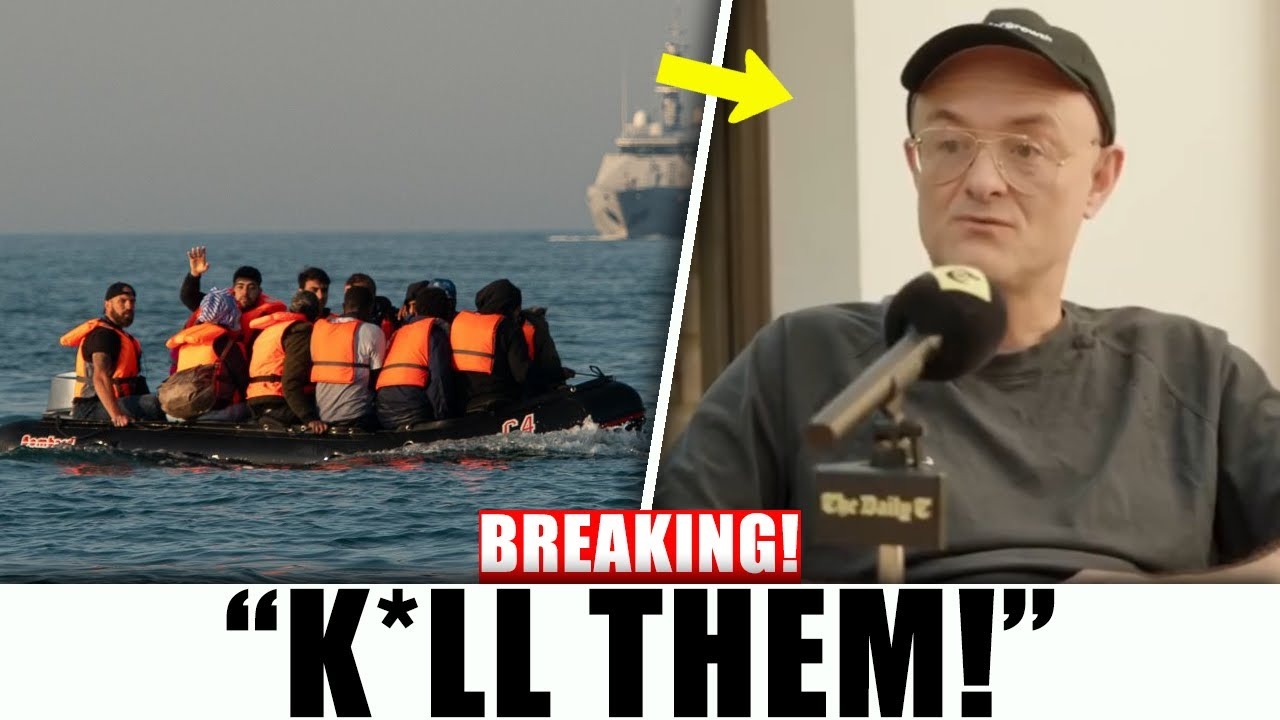
Supporters of tougher controls, however, said the current system has failed to deter dangerous crossings and argued that more robust action is needed to prevent further loss of life in the Channel.
Government sources stressed that Cummings holds no official role and that current border policy remains unchanged. Nevertheless, his remarks have reignited a highly polarised national debate over migration, border enforcement and the balance between security and legal protections.