When Visibility Meets Backlash
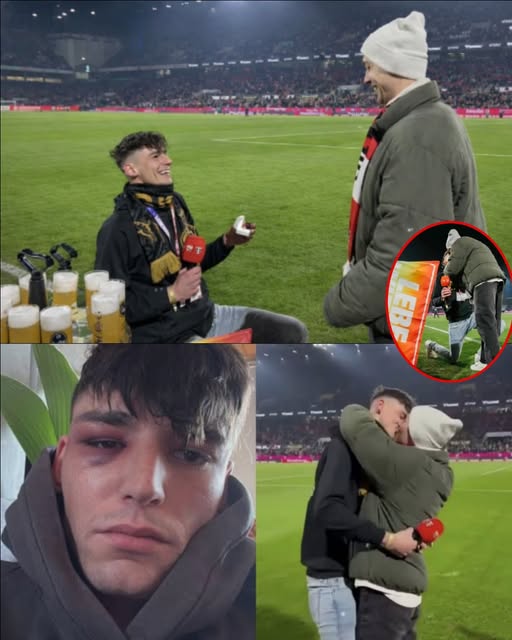
Under bright stadium lights, before tens of thousands of fans, a referee dropped to one knee and proposed to his boyfriend — a moment of joy that felt bigger than sport. The crowd cheered. Cameras captured it. For many, it symbolized progress: love made visible in a space where inclusion has often lagged behind.
But moments of visibility can also attract backlash.
In recent years, LGBTQ+ figures in sports have faced waves of online harassment following public milestones. What begins as celebration can quickly be overshadowed by threats, targeted abuse, and attempts to intimidate. The shift from applause to hostility can be swift — and deeply personal.
That contrast raises difficult questions. How can a single act of love ignite both hope and hate? Why does visibility still carry risk?
Advocates argue that progress in sports isn’t just about representation on the field — it’s about ensuring safety beyond it. Real inclusion means protection, accountability, and consequences for those who weaponize hate.
Yet despite the risks, many continue to live openly and proudly. Not because it’s easy — but because visibility matters.
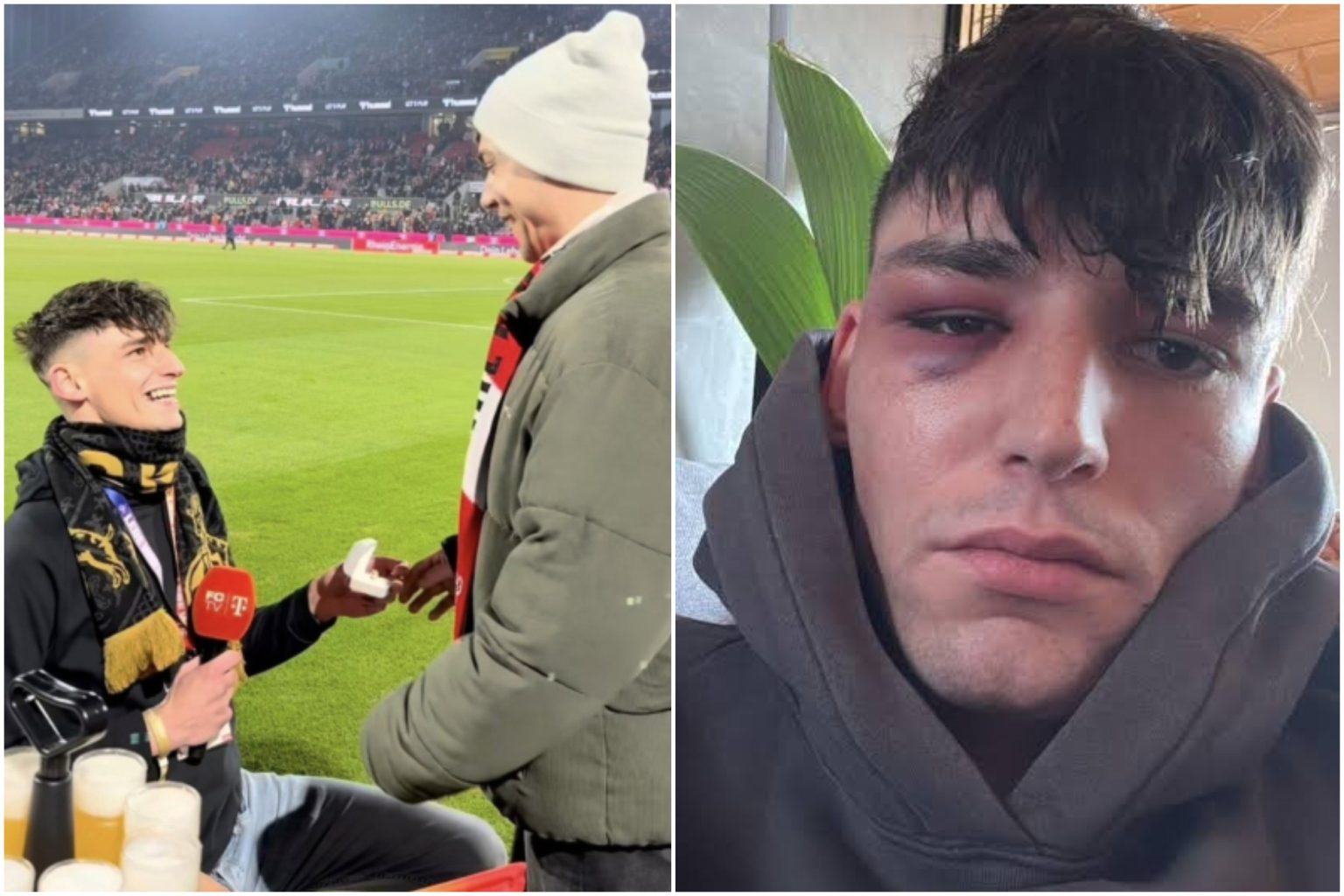
Courage should not require police protection.
Love should not invite violence.
And the work of building safer, more inclusive spaces — in stadiums and beyond — is far from finished.