“THEY DIDN’T HAVE TO D.I.E.” — Inquiry Says Channel Tragedy Was Preventable
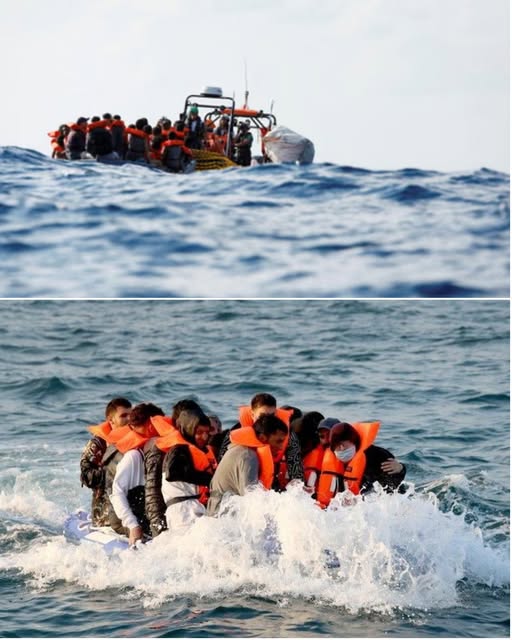
An official inquiry into the deadliest small-boat crossing in the English Channel has delivered a devastating conclusion: some of the 30 people who died did not have to lose their lives.
According to the findings, a series of systemic failures, missed and delayed distress calls, and serious staff shortages during the rescue operation all contributed to the scale of the tragedy. Investigators said the emergency response was slow and poorly coordinated, with confusion over responsibilities between agencies at a critical moment when lives could still have been saved.
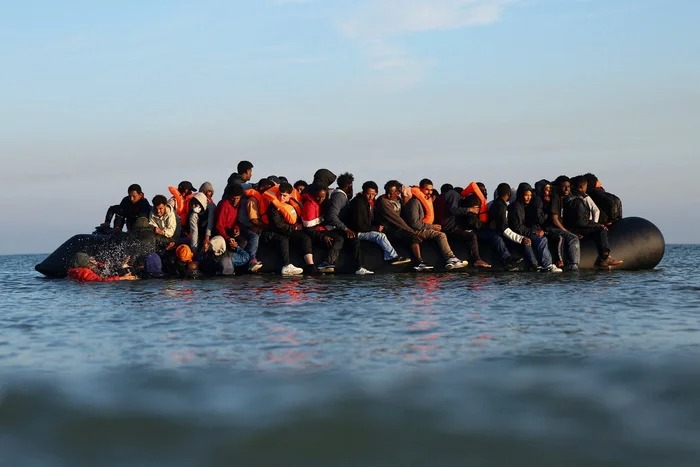
The report also highlighted major weaknesses in monitoring and decision-making systems, warning that frontline teams were overwhelmed and lacked the resources needed to respond effectively to multiple incidents at sea.
In blunt language, the inquiry states that without urgent and fundamental changes, similar disasters remain likely. The final verdict stresses that small-boat crossings must be brought to an end if authorities are to prevent further loss of life in one of the world’s busiest and most dangerous shipping routes