Prince William Draws Attention to Cost-of-Living Fears as Political Pressure Mounts on Labour
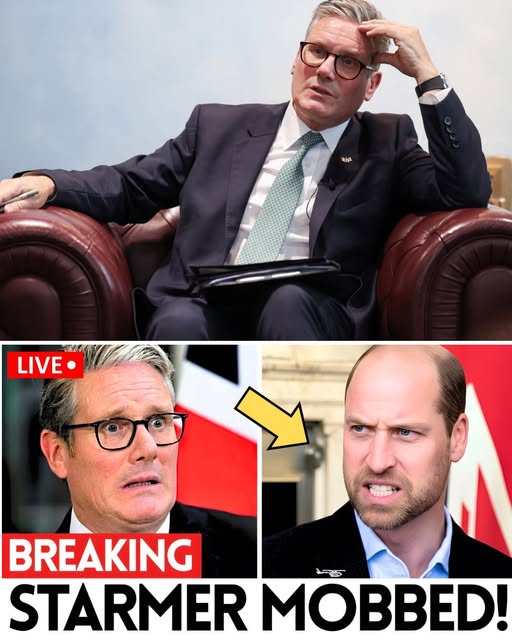
A wave of online claims and public reaction has placed Prince William at the centre of a growing political storm, after reports suggested the Prince of Wales had privately expressed concern about the impact of winter support changes on vulnerable pensioners.
According to sources close to royal charities, the focus of the concern is the rising number of elderly people seeking help as energy costs and living expenses continue to climb. Campaigners say thousands of letters and appeals from older citizens have been sent to organisations linked to Kensington Palace, highlighting fears over having to choose between heating and basic necessities.
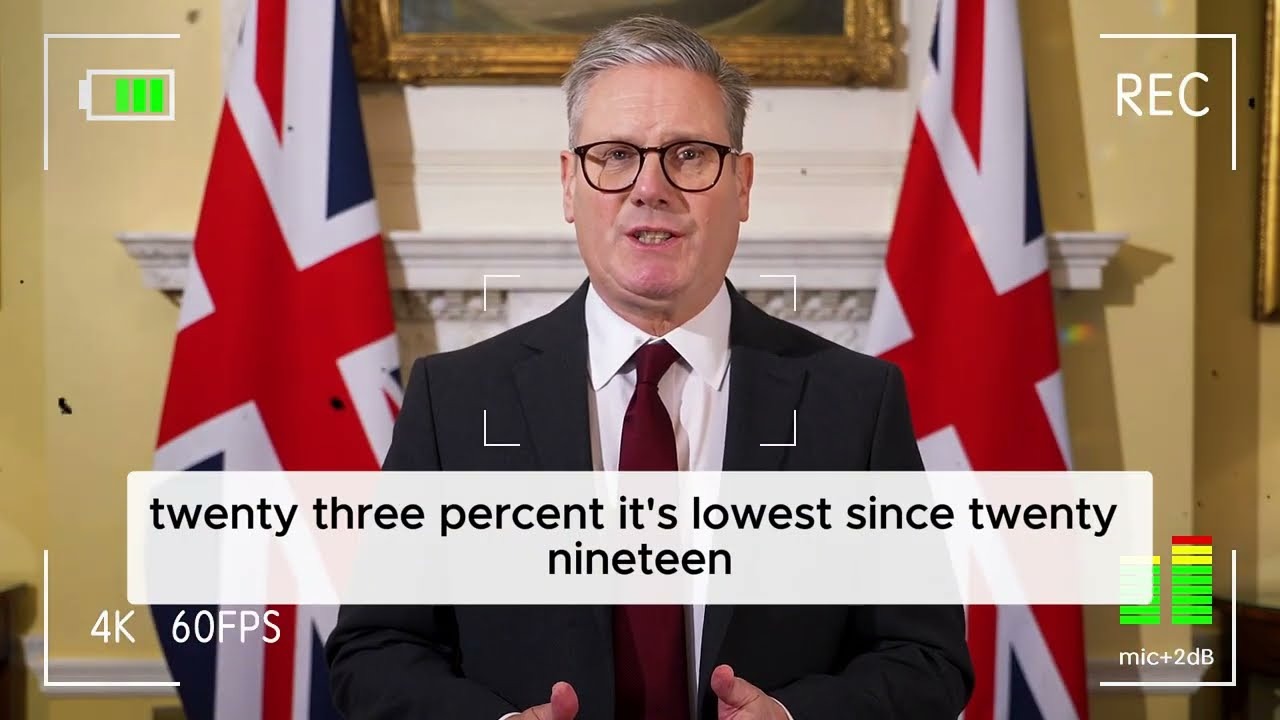
While Buckingham Palace and Kensington Palace have not confirmed any direct criticism of the Labour leadership or the Chancellor, the issue has intensified pressure on Sir Keir Starmer’s team as debate over winter fuel payments and public spending priorities continues in Westminster.
The renewed attention has reignited a wider national conversation about the limits of royal influence, the responsibility of government to protect the most vulnerable, and whether current policies are doing enough to prevent hardship during the colder months