Debate Grows Over Military Standards, Discipline and Readiness in the U.S. Armed Forces
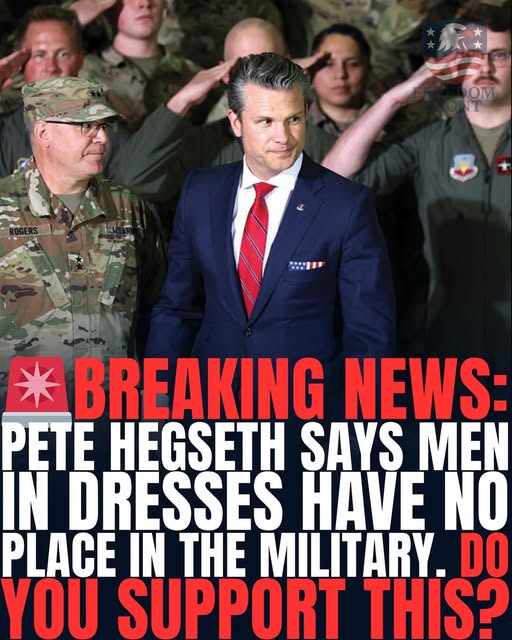
A renewed national debate is emerging over whether the United States military is maintaining the level of discipline and operational focus required to meet today’s global security challenges.
Supporters of stricter standards argue that the armed forces exist for a clear and narrow mission: to defend the nation, deter adversaries and win wars. They say long-standing rules on uniforms, grooming, conduct and physical fitness were designed to reduce distractions, strengthen unit cohesion and ensure service members can perform effectively under extreme pressure.
Critics of recent policy shifts warn that allowing standards to become more flexible risks undermining clarity within the chain of command and weakening the shared culture that binds military units together. They contend that readiness and battlefield effectiveness must always take priority over political messaging or symbolic initiatives.
Others counter that modernizing internal policies can help recruitment and retention without harming combat capability. As global threats continue to evolve, the question of how to balance tradition, discipline and adaptation is becoming a central issue for military leadership and lawmakers alike.