Reform MPs Criticise Prime Minister in Heated Commons Exchange as Labour Faces Fresh Political Pressure
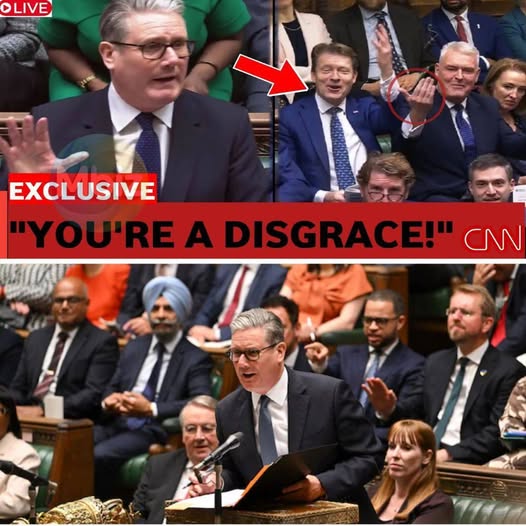
A tense and highly charged debate unfolded in the House of Commons today after MPs from the Reform party launched a series of sharp attacks on Prime Minister Sir Keir Starmer, accusing the Labour leadership of lacking direction and consistency.
During a lively session in the chamber, Reform MPs criticised what they described as repeated policy reversals by the government and questioned Labour’s ability to provide stable leadership. One Reform speaker compared the Prime Minister’s political approach to “a plastic bag blown by the wind”, a remark that prompted loud reactions from MPs across the House.

Reform representatives also claimed that a growing number of former Conservative MPs have moved to support their party, stating that 23 ex-Tory MPs have now defected. They argued that this shift reflects wider public dissatisfaction with both major parties and increasing support for Reform’s political platform. These figures were presented by Reform MPs during the debate and have not yet been independently confirmed by parliamentary officials.
In their criticism, Reform MPs highlighted a series of recent government policy changes, including adjustments to the winter fuel allowance following public and parliamentary pressure, as well as the apparent withdrawal of proposals related to digital identity systems. They argued that these decisions showed uncertainty within government and a lack of long-term planning.
Labour MPs strongly rejected the accusations, insisting that the government is responding responsibly to public concerns and changing circumstances. Several members defended the Prime Minister’s leadership, saying that listening to voters and adapting policy is a sign of effective and pragmatic governance.
The Speaker was forced to intervene several times to restore order as interruptions and exchanges grew louder throughout the debate.
A government spokesperson later said that Labour remains focused on delivering economic stability, public service reform and long-term policy priorities, and dismissed claims of internal disorder.