Multiple Fires and Disorder Reported in Belfast as Fifth Night of Unrest Raises Serious Security Concerns
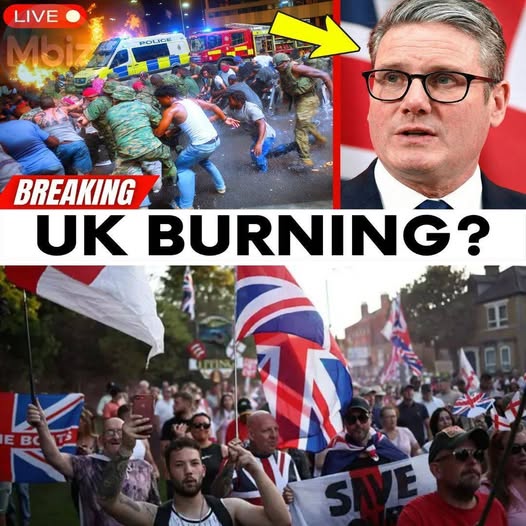
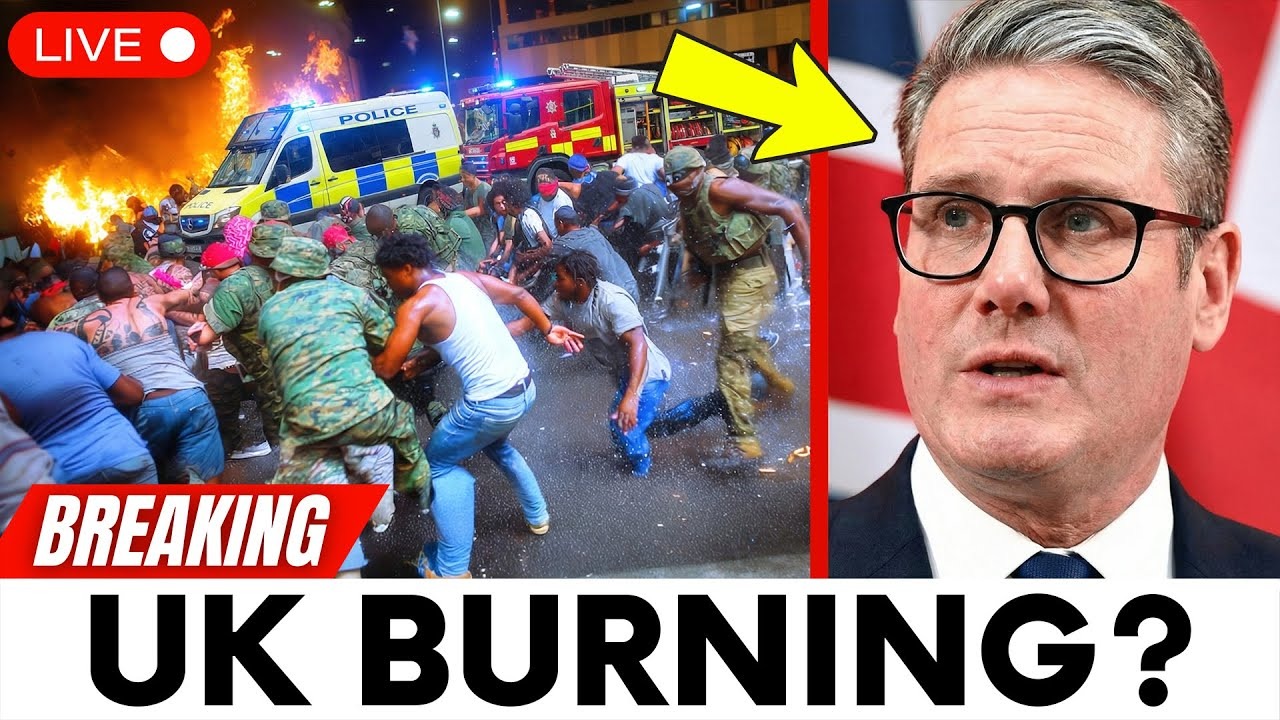
Police and emergency services in Northern Ireland were placed under intense pressure on Tuesday night after further unrest in Belfast led to multiple fires, property damage and injuries, marking a fifth consecutive evening of disorder linked to protests over migration and public policy.
The Police Service of Northern Ireland (PSNI) confirmed that a number of hotels and other buildings were damaged during the disturbances, including several properties being used to accommodate asylum seekers. Officers said investigations are continuing to establish the full scale of the damage and the circumstances surrounding each incident.
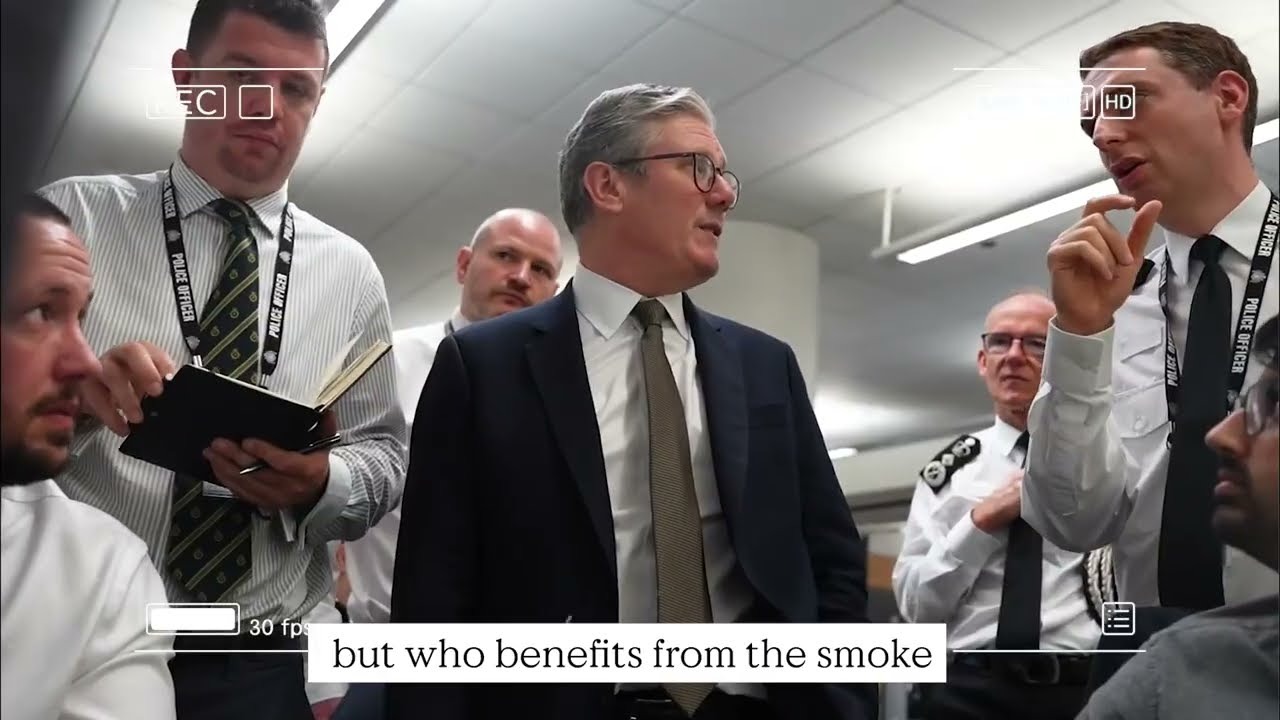
The unrest intensified shortly before 9.00 p.m., when large crowds gathered in and around the city centre following a protest march. Police said that while the initial gathering was largely peaceful, a number of individuals later broke away and began targeting buildings and vehicles. Fires were reported at several locations, and officers came under attack with missiles, including bricks and bottles.
The Northern Ireland Fire and Rescue Service confirmed it responded to multiple blazes across the city throughout the evening, while ambulance crews treated a number of injured people at the scene. Hospitals in the region said they were managing additional pressure as a result of the incidents.
Senior police officers described the violence as “completely unacceptable” and warned that those responsible for arson, criminal damage and attacks on officers would be pursued through CCTV analysis, witness evidence and forensic work.
Community leaders and elected representatives from across Northern Ireland condemned the attacks, stressing that protests must remain peaceful and that accommodation sites and surrounding neighbourhoods should never be targeted.
The disturbances come amid heightened tensions over the use of hotels to house asylum seekers, a policy that has generated protests in several parts of the UK. Local residents have raised concerns about pressure on services and the lack of consultation, while refugee and community organisations have warned that misinformation and fear risk inflaming divisions.