Nigel Farage Criticises Labour’s Net Zero Policy During BBC Panel Debate
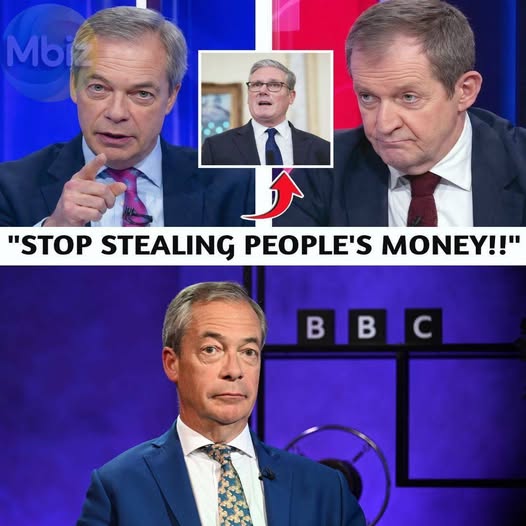
Nigel Farage sparked a high-profile exchange on a BBC panel programme after sharply criticising Labour’s approach to net zero and warning that current climate policies could damage British industry and household finances.
Speaking during a live discussion on energy and the economy, the Reform UK leader argued that the UK’s transition strategy has placed an excessive financial burden on consumers while failing to protect domestic manufacturing. Farage claimed that, for many years, electricity bills have included additional costs linked to renewable energy support schemes, and said these costs have contributed to higher household bills.
He also focused on offshore wind investment in the North Sea, noting that a significant share of projects are owned by overseas companies. According to Farage, the structure of long-term subsidy and price-guarantee contracts means that UK consumers ultimately carry much of the financial risk, while industrial users continue to face higher energy prices than some international competitors.
Farage further argued that the closure or restructuring of major industrial sites, including steelmaking and refining operations, illustrates what he described as a broader decline in Britain’s industrial base. He said that, without a major shift in energy policy, the UK risks increasing its dependence on imported goods produced in countries with higher overall emissions.
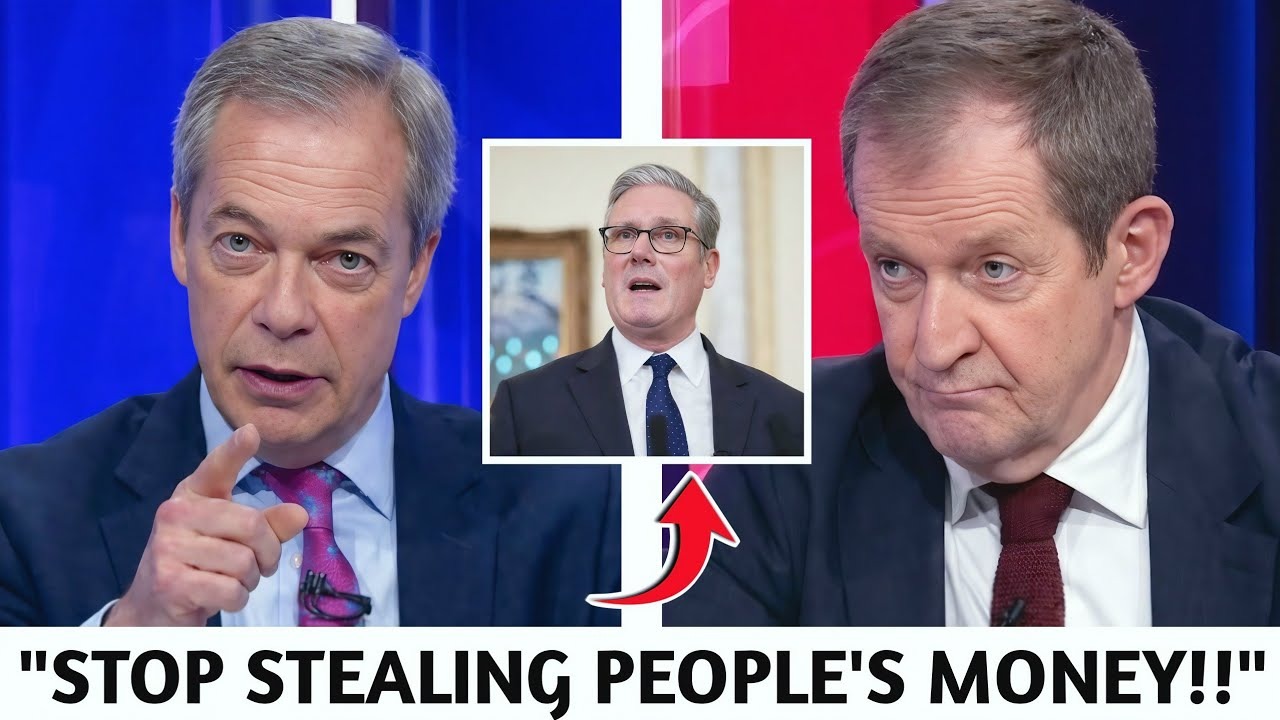
“This is not reducing global emissions,” he said during the programme. “It is simply moving production elsewhere and making energy more expensive at home.”
Other panel members pushed back against his claims, arguing that net zero policies are designed to protect the UK from future fossil-fuel price shocks, improve long-term energy security and support new sectors such as renewable manufacturing, hydrogen and battery technology. They also pointed to government and industry investment in green infrastructure and supply chains as evidence that the transition could create new employment opportunities.