WASPI Fury Grows: MPs Clash With DWP as Pension Age Recommendations Thrown Back Into the Spotlight

Anger among campaigners from Women Against State Pension Inequality (WASPI) has surged again after a tense parliamentary session in which MPs challenged the Department for Work and Pensions over how women were informed about major changes to the state pension age.
During a heated committee hearing, senior DWP officials were pressed on repeated findings that many women born in the 1950s were not given clear, timely or direct notice about increases to the state pension age. MPs from across parties questioned why successive governments failed to properly communicate changes that left thousands of women facing sudden and unexpected delays to their retirement income.
The dispute centres on long-standing recommendations from the Parliamentary and Health Service Ombudsman, which concluded that there had been maladministration in how the changes were communicated. Campaigners argue that women made life-changing financial decisions — including leaving work, caring for relatives or using savings — on the assumption that their pension would begin at the age originally expected.
At the hearing, MPs repeatedly challenged the department on whether it now accepts the scale of the harm caused. Several MPs said the issue is no longer about reversing pension policy, but about acknowledging failures and delivering fair compensation.
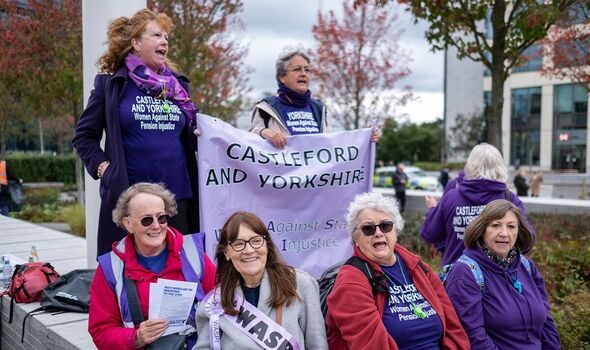
WASPI representatives have warned that many affected women experienced serious hardship as a direct result of poor communication. Some were forced onto benefits, took on debt, sold their homes or returned to insecure work late in life after discovering — sometimes with only months’ notice — that they would have to wait years longer to receive their state pension.
Committee members also questioned the government’s continuing reluctance to commit to a compensation scheme, despite the ombudsman’s recommendations and mounting political pressure. MPs argued that delaying a response risks further damaging trust in public institutions, particularly among older women who believe their concerns have been ignored for more than a decade.