“The Evidence Was There”: Rupert Lowe’s Rape Gang Inquiry Opens as Long-Ignored Warnings Come to Light
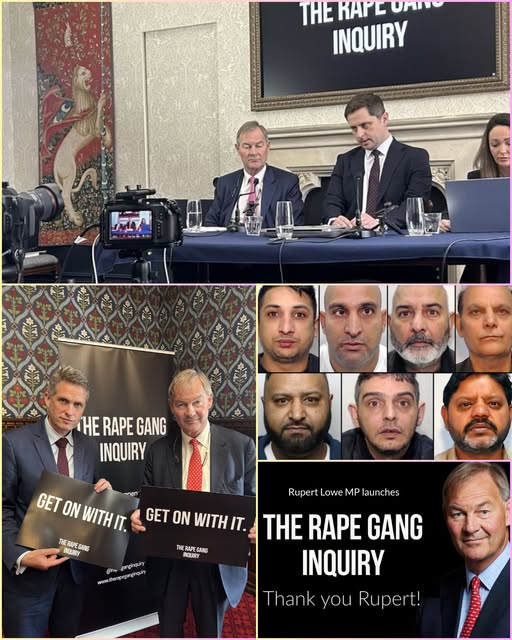
A new parliamentary inquiry led by Rupert Lowe has formally opened this week, bringing renewed scrutiny to what campaigners describe as years of missed opportunities to protect vulnerable children from organised sexual exploitation.
Opening the inquiry, Lowe said the central question was no longer whether warning signs existed, but why repeated alerts were not acted upon. He told colleagues that evidence of organised abuse, safeguarding failures and systemic breakdowns had been raised by professionals and local figures for years, yet too often failed to trigger decisive intervention.
The inquiry will examine historic and current handling of group-based sexual exploitation, including the way reports were escalated inside local authorities, police forces and safeguarding partnerships. It will also assess whether institutional culture, risk aversion and concerns about reputational damage played a role in delaying action.
According to those supporting the inquiry, frontline workers had repeatedly raised concerns about patterns of abuse, grooming activity and failures to protect victims. In several areas, victims and their families are said to have approached multiple agencies only to be passed between departments, with responsibility fragmented and no single authority taking ownership of the risk.
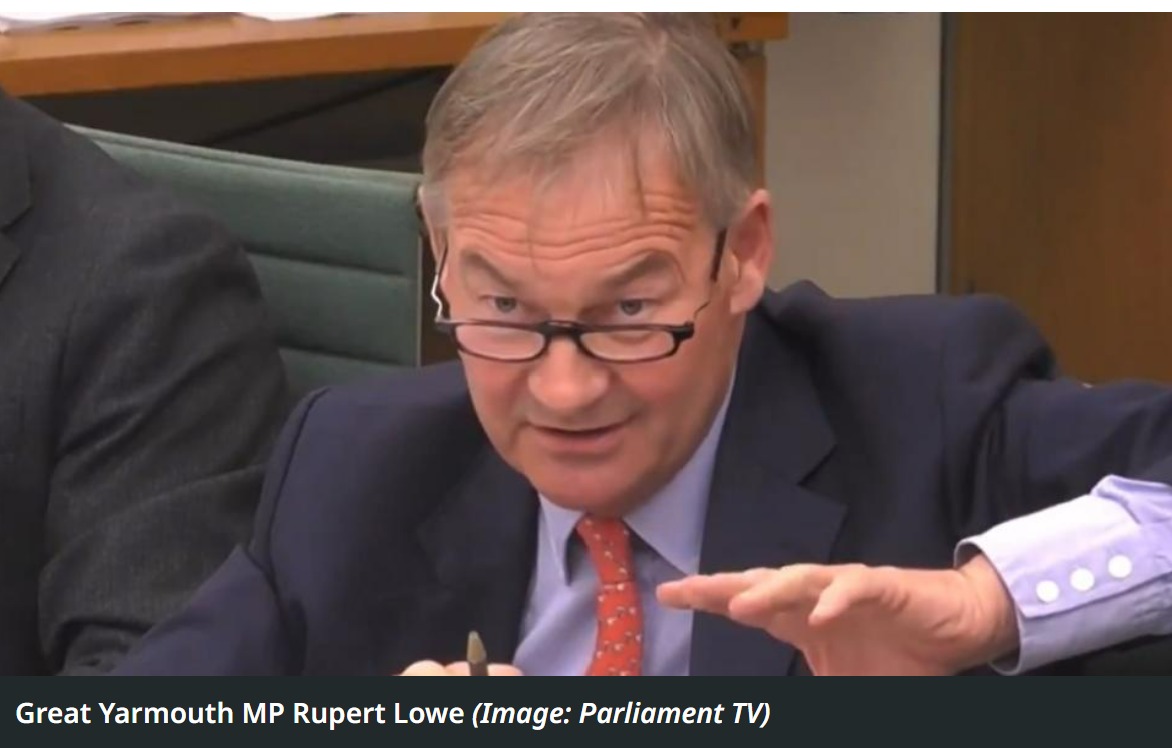
Lowe said the inquiry would focus on what he described as “a failure of will, not a failure of information”, arguing that warning reports, internal reviews and whistleblower accounts already existed long before many cases reached public attention. He stressed that the purpose of the inquiry was not political point-scoring, but to identify where systems failed and how accountability can be strengthened.
Victims’ advocates have welcomed the move, saying that too many survivors were left without meaningful support while alleged perpetrators remained active. They argue that safeguarding systems placed an excessive burden on victims to repeatedly retell their experiences, while investigations were delayed or deprioritised.