“They Were Warned. They Did Nothing.” Rape Gang Inquiry Hearings Begin — and Cover-Up Claims Intensify

Public hearings have formally begun in Rupert Lowe’s parliamentary inquiry into the handling of organised child sexual exploitation, as witnesses described years of ignored warnings, institutional hesitation and repeated safeguarding failures.
The opening sessions focused on early intelligence and professional reports that, according to testimony heard by the inquiry, highlighted clear patterns of grooming and exploitation long before several cases eventually came to public attention.
Witnesses told the panel that frontline staff, youth workers and safeguarding professionals repeatedly raised concerns about vulnerable children being targeted, moved between locations and exposed to organised abuse networks. In some cases, the inquiry was told that internal briefings and written reports were submitted to senior managers and multi-agency safeguarding boards but failed to trigger coordinated action.
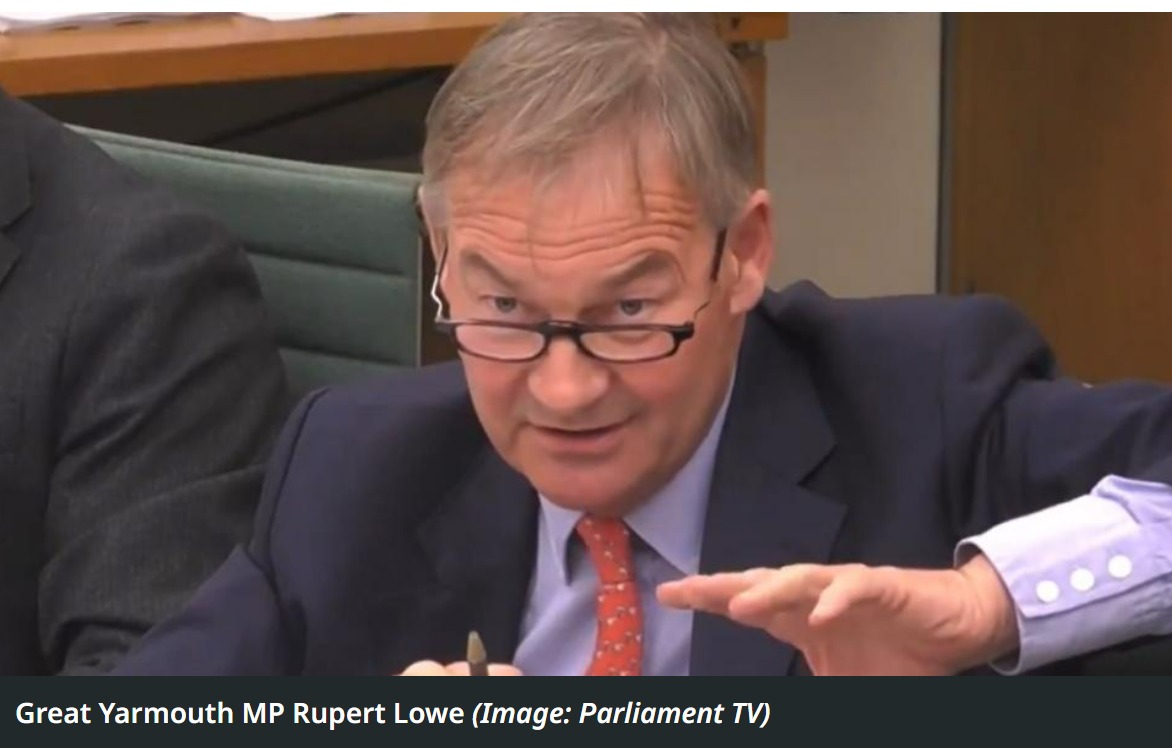
Opening the hearings, Rupert Lowe said the central issue for the inquiry was not a lack of data or awareness, but a failure to act on information that already existed.
“This inquiry is about why warnings were dismissed, delayed or diluted,” he said. “We are examining how systems that exist to protect children failed to intervene when the risks were already clearly identified.”
Several witnesses described what they believed to be a culture of risk management focused on reputation rather than victim protection. The inquiry heard claims that concerns about community tensions, media scrutiny and organisational criticism discouraged decisive enforcement and safeguarding responses.
Families of victims attending the hearings said they had repeatedly contacted police, schools and social services, only to be referred between agencies without meaningful intervention. Some described children being returned to unsafe environments despite escalating risk indicators.
The inquiry is examining how information was shared between police forces, local authorities, health services and education providers, and whether thresholds for intervention were applied consistently. Particular attention is being paid to the way safeguarding alerts were logged, reviewed and escalated when multiple warnings related to the same individuals or locations.