Thirty Years After Selena Quintanilla’s Passing Her Husband Finally Speaks Out and Shares a Powerful Untold Story

Thirty years after her passing, the legacy of Selena Quintanilla continues to resonate across generations, standing as one of the most influential figures in Latin music history. Revered for her powerful voice, magnetic stage presence, and cultural impact, Selena’s story remains both inspiring and deeply tragic.
Born in Lake Jackson, Texas, and raised in Corpus Christi, Selena grew up in a family devoted to music. Her father, Abraham Quintanilla Jr., recognized her extraordinary talent early and formed the family band Selena y Los Dinos. Although English was her first language, she mastered Spanish phonetically and emotionally, allowing her to connect authentically with audiences in the Tejano music scene — a genre traditionally dominated by male performers.
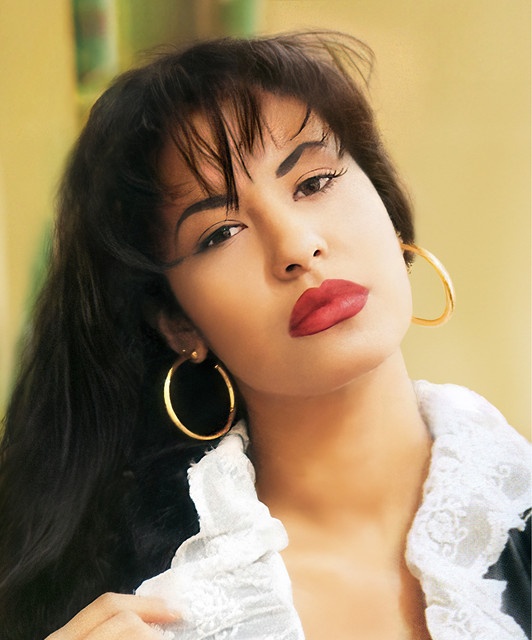
By the early 1990s, Selena had become a defining voice of Tejano. Albums such as Entre a Mi Mundo and Amor Prohibido produced crossover hits including “Como la Flor” and “Bidi Bidi Bom Bom.” She balanced emotional ballads with energetic dance tracks, and her bold stage fashion became as recognizable as her music. Beyond performing, she launched clothing boutiques and was preparing for a major English-language crossover project that many believed would expand her global reach.
That album, Dreaming of You, was released posthumously in 1995 and debuted at number one on the Billboard 200 — a rare achievement that underscored both her commercial appeal and the magnitude of the public’s grief.
On March 31, 1995, Selena was fatally shot in Corpus Christi by Yolanda Saldívar, the former president of her fan club and manager of her boutiques. The case shocked fans worldwide. Saldívar was later convicted of first-degree murder and sentenced to life in prison. The tragedy not only ended a promising career at age 23 but also became one of the most painful moments in Latin music history, largely because it involved a breach of trust from within her inner circle.
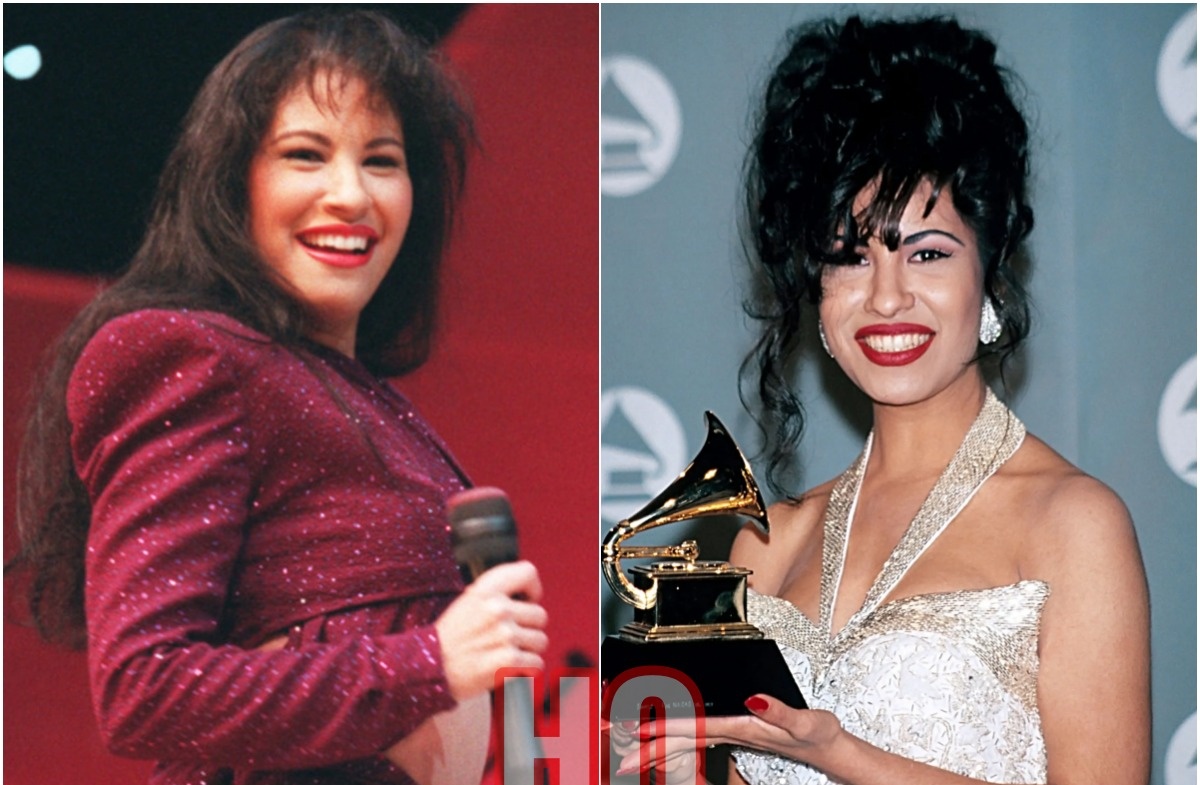
In the aftermath stood her husband, Chris Pérez, guitarist for Selena y Los Dinos. The couple had married in 1992 after overcoming early opposition from her father. Their relationship, though brief, was marked by shared ambition and deep affection.
For years following Selena’s passing, Pérez largely stayed out of the spotlight. In later interviews and in his 2012 memoir, To Selena, with Love, he offered a candid look at his grief. Rather than fueling speculation, Pérez has consistently framed the tragedy as a result of escalating tensions and betrayal, dismissing theories that suggest hidden motives or unresolved mysteries.
His reflections reveal a layered emotional journey. He has described the immediate aftermath as disorienting and overwhelming, noting that isolation intensified his pain. Observers of his interviews often point out that his tone shifts when discussing Selena — from composed recollection to visible vulnerability. His words emphasize remembrance over sensationalism, suggesting a deliberate effort to protect both her legacy and his own healing process.
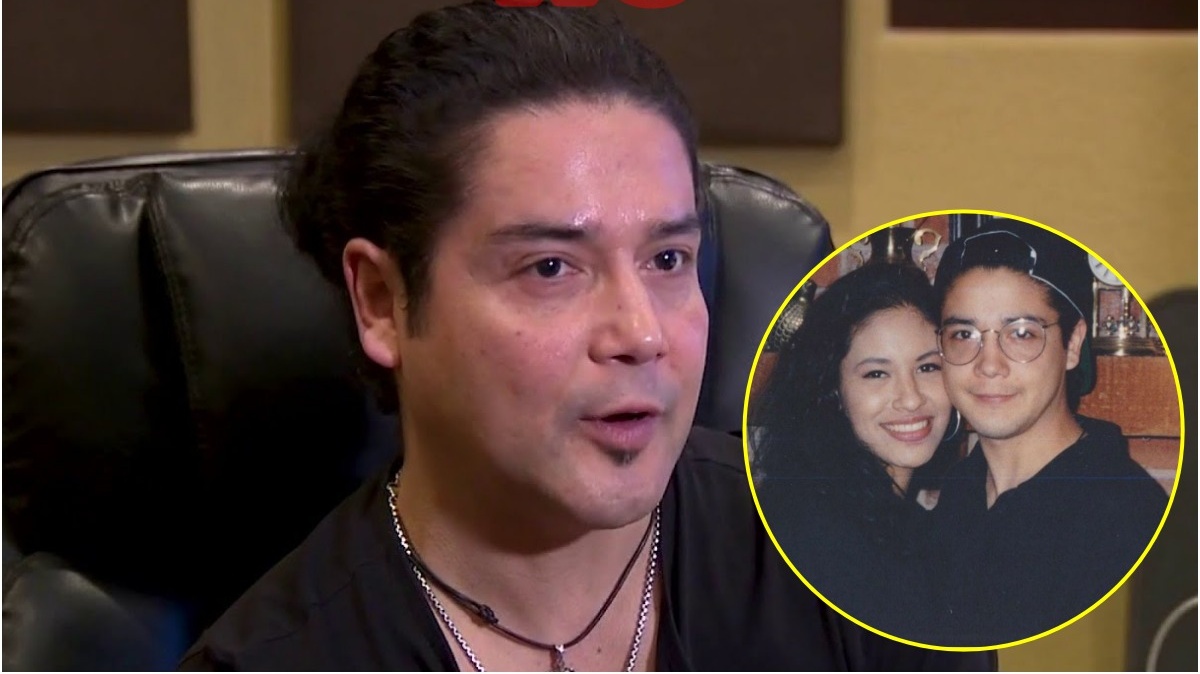
Music became his outlet. In 1999, Pérez released the album Resurrection with his band, a project that earned critical recognition and allowed him to channel personal loss into creative expression. The songs carried themes of longing and devotion, widely interpreted as tributes to Selena.
Culturally, Selena’s influence has only expanded over time. Artists across genres have acknowledged her impact. Beyoncé has spoken about meeting Selena as a child in Houston and admiring her stage presence. Jennifer Lopez portrayed her in the 1997 biographical film Selena, a role that helped elevate Lopez’s own career. Contemporary Latin stars frequently cite Selena as a blueprint for balancing mainstream success with cultural authenticity.
In Corpus Christi, the Mirador de la Flor monument continues to draw visitors from around the world. Annual festivals, tribute concerts, and museum exhibits keep her memory alive, while streaming platforms introduce her catalog to younger listeners who were not yet born at the time of her passing.
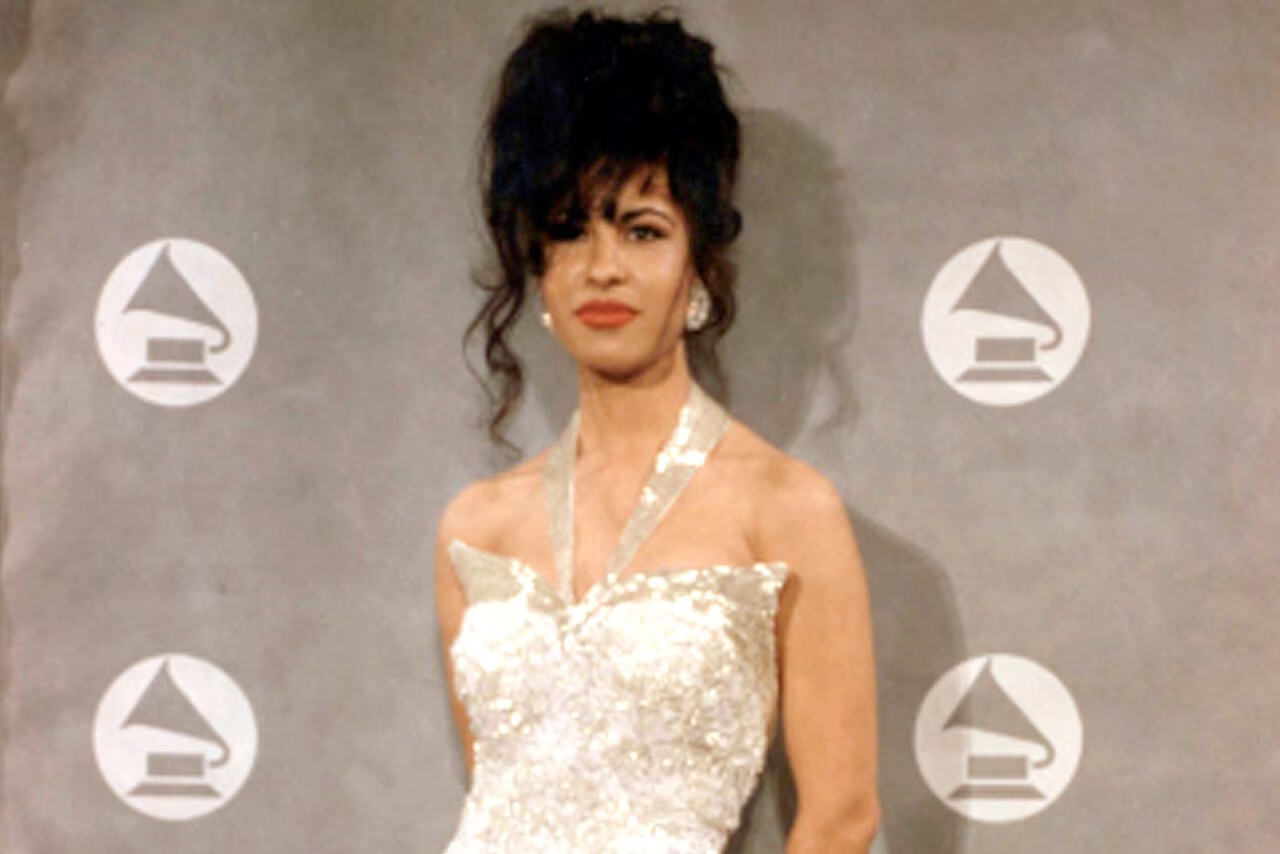
Industry analysts often highlight Selena’s broader significance: she helped redefine the commercial viability of bilingual artists in the United States. At a time when crossover success for Latin performers was far from guaranteed, she demonstrated that cultural identity could be celebrated rather than diluted.
Three decades later, public fascination endures not because of unanswered questions, but because of what was lost — a rare combination of talent, humility, and ambition. Pérez’s continued willingness to speak about their time together offers fans a human perspective beyond headlines. His message remains consistent: remembrance should focus on Selena’s artistry, her generosity, and the joy she brought to millions.
As the 30-year milestone prompts renewed reflection, Selena Quintanilla’s voice continues to echo through dance floors, radio stations, and cultural conversations worldwide. Though her life was brief, her influence remains expansive — a testament to how artistic brilliance can transcend time.