Misty Loman — More Than a Mugshot

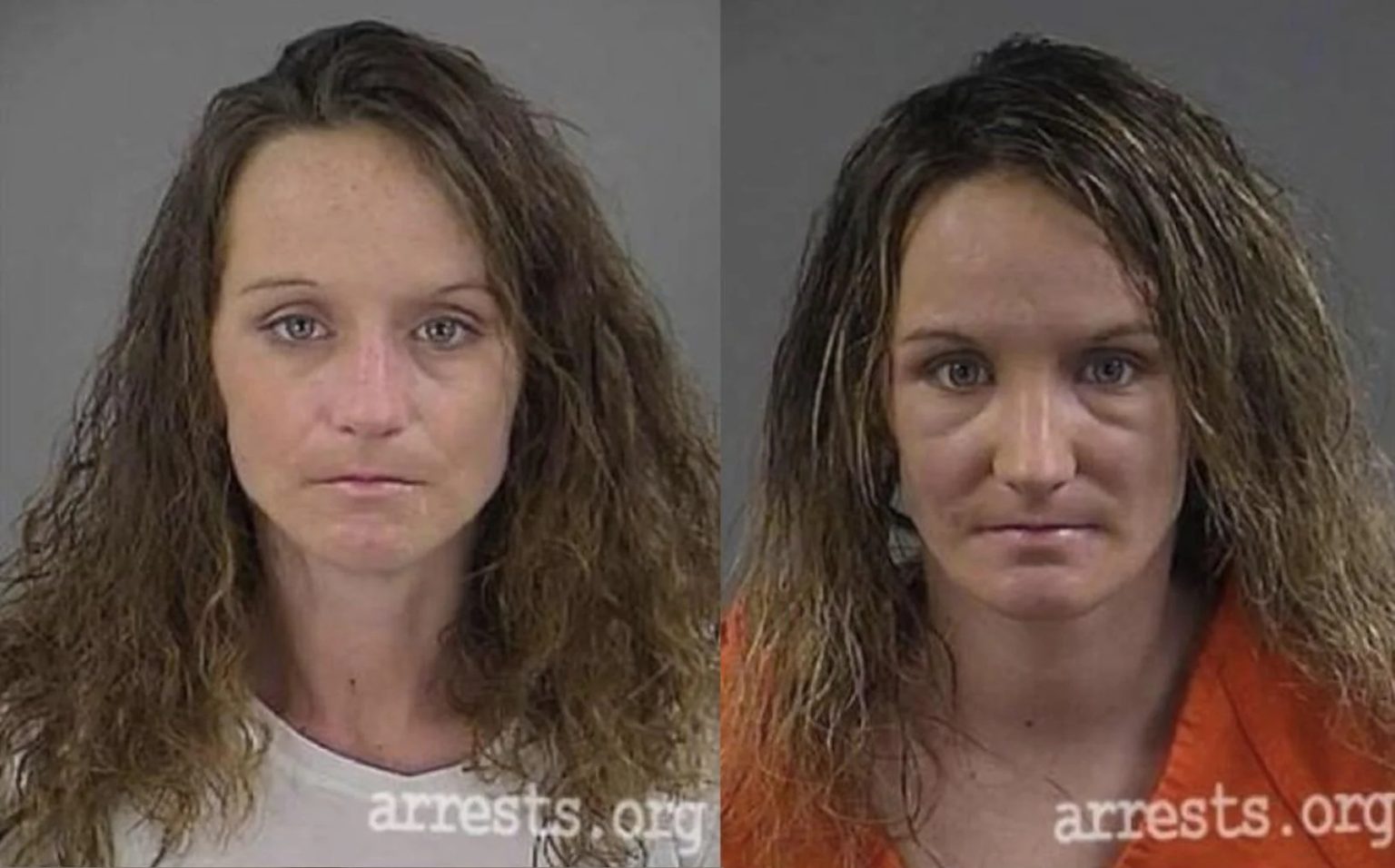
For years, the booking photos of Misty Loman circulated across social media at lightning speed. Side-by-side comparisons painted a shocking visual narrative — the kind that feeds algorithms and fuels comment sections. Headlines speculated. Strangers judged. The images became a viral spectacle.
But behind those photos was a real person.
Not a meme. Not a cautionary headline. Not a piece of clickbait.
Misty’s struggles with addiction and serious health challenges were painfully real. Like so many others battling substance use disorder, her lowest moments became the most public ones. The internet froze her at rock bottom — sharing her mugshots without context, without compassion, without the full story.

The world watched her fall.
What it didn’t amplify nearly as fast was her rise.
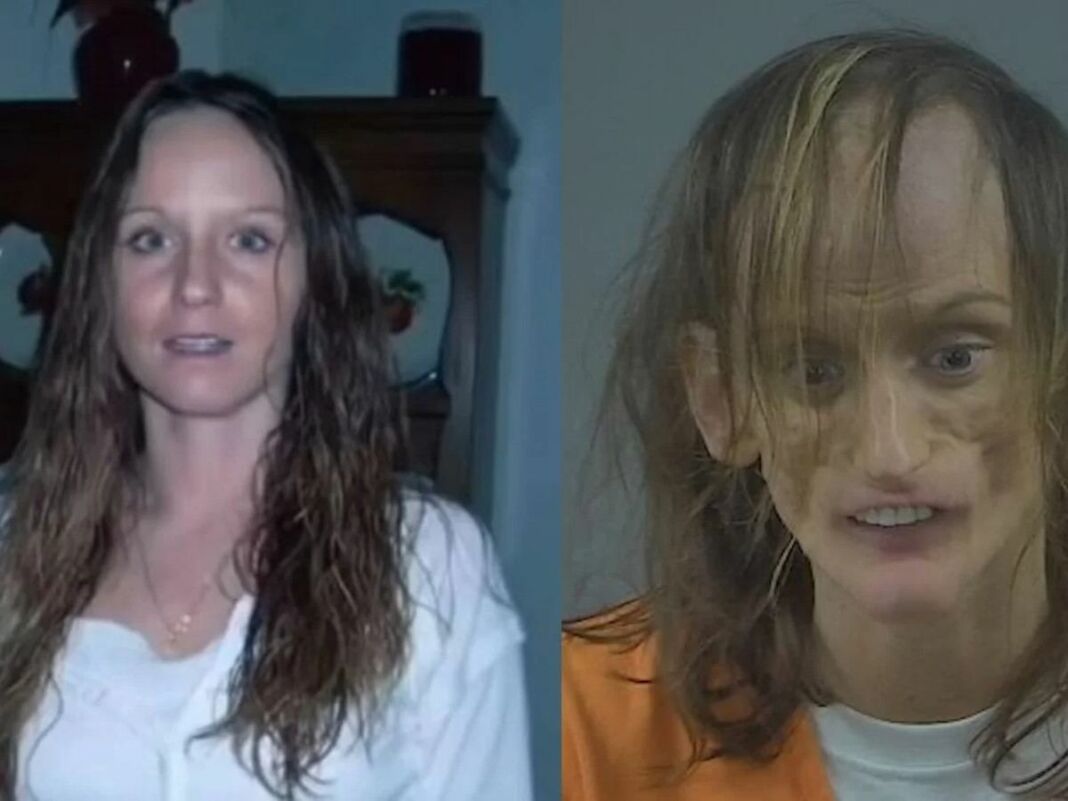
Recovery is rarely dramatic. It doesn’t trend. It doesn’t come with viral graphics or shock value. It happens quietly — in doctor’s visits, in support meetings, in difficult mornings where choosing sobriety is a decision made again and again. Over time, updates from family members began to surface. Healthier. Smiling. Rebuilding. Working toward stability.
The transformation that truly matters wasn’t cosmetic — it was internal.
Her story forces an uncomfortable question: why are we so quick to share someone’s darkest chapter, but slow to celebrate their healing?
Addiction is not a moral failure. It is an illness. And recovery, though difficult and nonlinear, is possible. Misty’s journey reminds us that a person is not defined by a single photograph — especially one taken at their lowest point.
Rock bottom is not a life sentence.
Instead of replaying someone’s worst day for entertainment, maybe we can choose to amplify resilience. Because the most powerful transformation isn’t what happened to her face.
It’s what happened to her future.