What happened to Katie Stubblefield is one of those stories that really makes you pause.
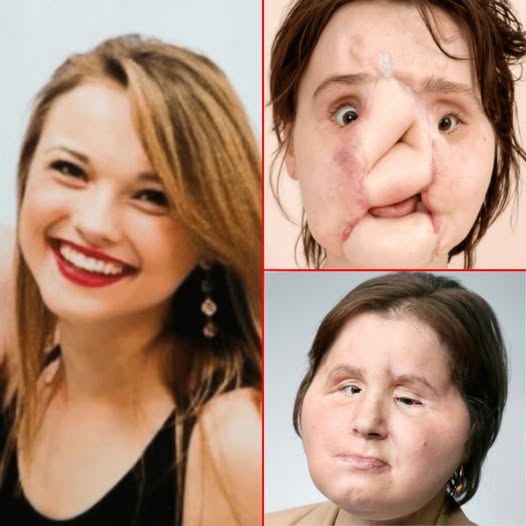
At just 18, she underwent one of the most extensive face transplants ever performed on someone so young in the United States — a procedure led by specialists at Cleveland Clinic. That alone tells you how far modern medicine has come. A few decades ago, this wouldn’t have even been considered possible. Today, surgeons can reconnect blood vessels thinner than a strand of spaghetti, align bone structure with microscopic precision, and manage immune systems so the body can accept a donor face.
That’s not science fiction. That’s now.
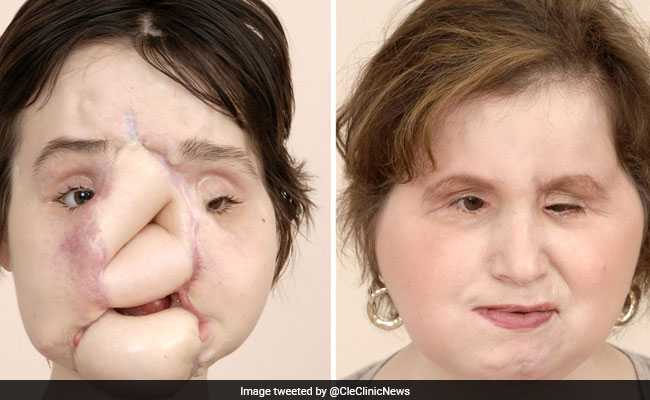
But what impresses me even more than the surgical innovation is the collaboration behind it. These procedures aren’t just about one brilliant surgeon — they involve transplant teams, immunologists, psychologists, rehabilitation specialists, and ethicists. It’s medicine operating at its highest level: technical skill plus long-term human care.
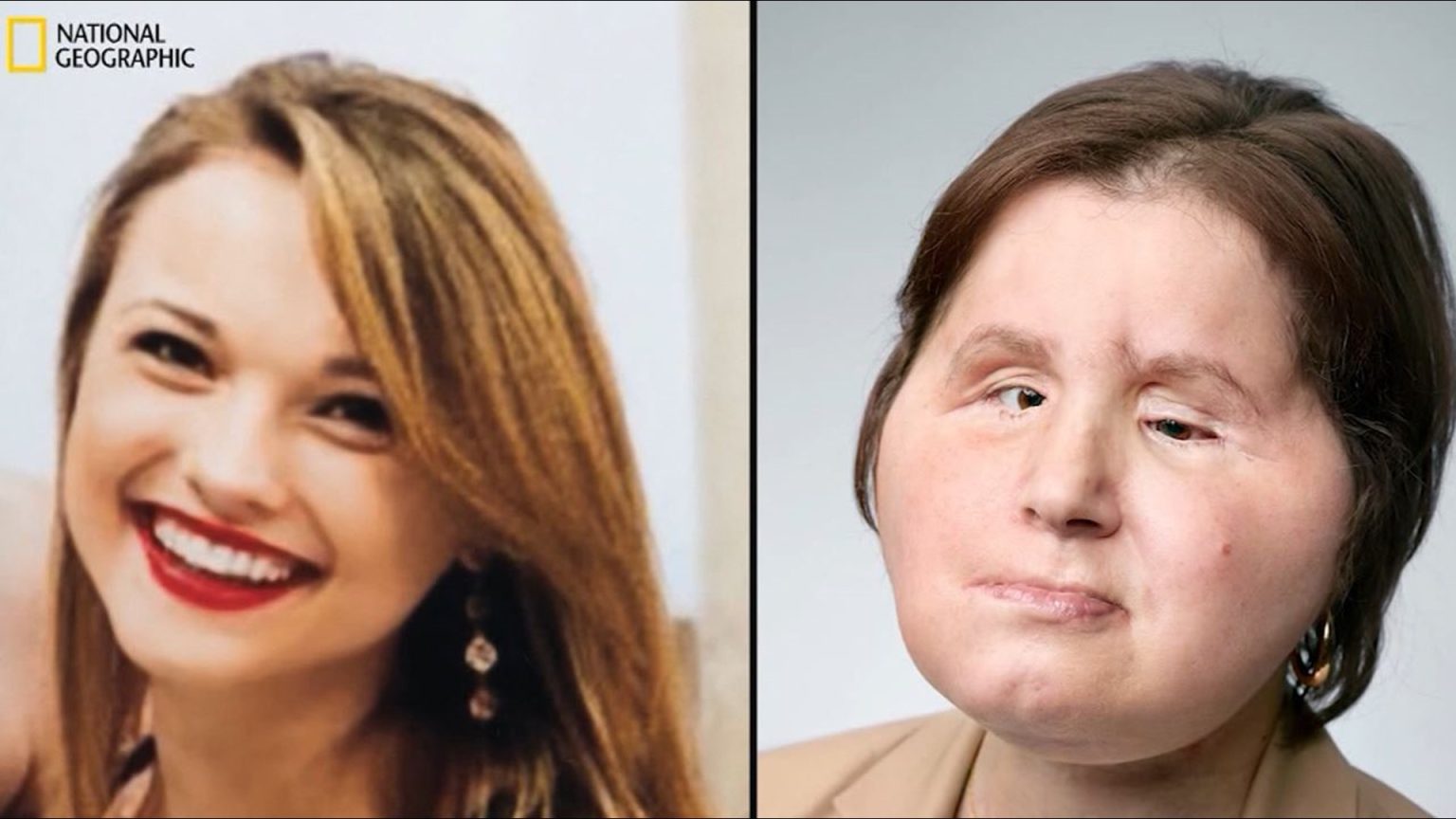
At the same time, stories like Katie’s remind us that “medical miracle” doesn’t mean “easy life.” A face transplant isn’t cosmetic. It’s lifelong medication, constant monitoring for rejection, physical therapy, and emotional adjustment. The science is extraordinary — but the resilience required from the patient is just as extraordinary.

We’ve reached a point where medicine can restore functions and appearances once thought permanently lost. That’s incredible. But it also raises deeper questions about ethics, access, cost, and long-term outcomes. Progress is amazing — and complicated.
Honestly? It makes me feel both amazed and humbled. We’re witnessing the kind of advancements that previous generations would have called impossible. And yet, at the center of it all is still something very human: survival, identity, and the desire to rebuild a life.
What about you — does it make you feel hopeful, cautious, inspired… or all of the above?