Diesel Comeback Sparks Westminster Storm as Carmaker Defends “Real-World” Needs of UK Drivers
A fresh political and industry row has erupted in Westminster after a major car manufacturer confirmed it will reintroduce diesel models to the UK market, arguing that current demand from everyday motorists does not yet match the pace of the government’s green transport ambitions.
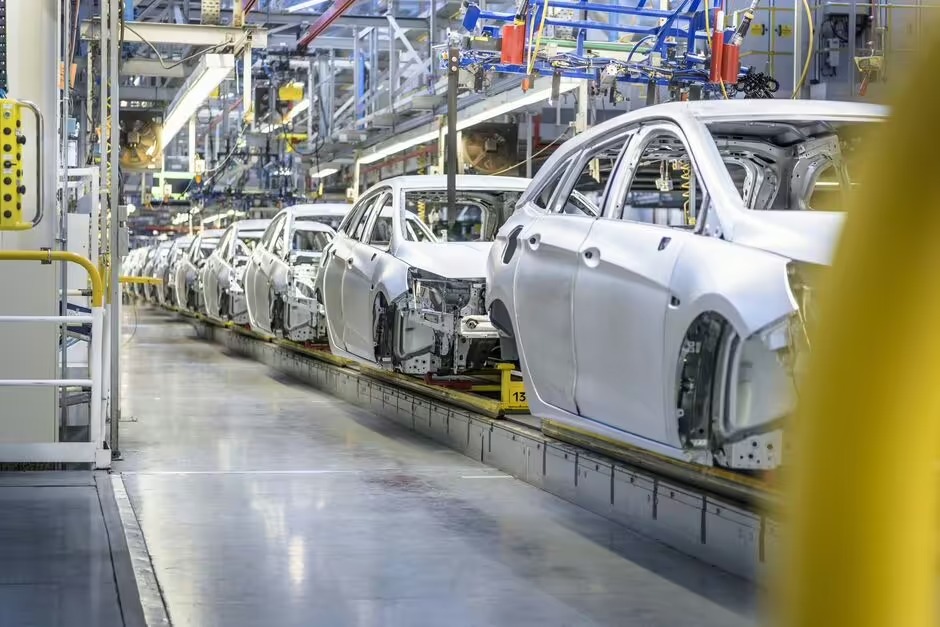
The announcement has reignited debate over whether Britain’s transition to cleaner vehicles is moving faster than the country’s infrastructure, household budgets and business realities can realistically support.
According to the manufacturer, the decision reflects “real-world usage patterns” among drivers who rely on their vehicles for long journeys, commuting between rural and urban areas, and running small businesses. The company said that while it remains committed to electrification in the long term, a significant share of customers still view modern diesel engines as the most practical option available to them today.
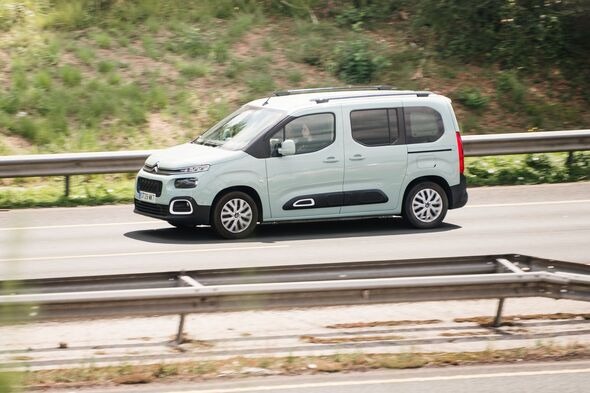
The move has immediately drawn criticism from figures close to the government’s climate agenda, including allies of Energy Secretary Ed Miliband. They argue that bringing diesel back into the spotlight risks weakening public confidence in the UK’s push toward net zero and sends mixed signals to consumers at a crucial moment in the transition.
Transport remains one of the largest contributors to the country’s overall emissions, and ministers have repeatedly stressed that accelerating the shift to low-emission vehicles is central to meeting national climate targets.
Critics say that if manufacturers hesitate, even temporarily, the wider transition could slow.
However, the carmaker insists that its latest diesel vehicles comply with the most up-to-date emissions standards and are significantly cleaner and more efficient than older generations of engines.
In a statement, the company said its strategy was not a retreat from green investment, but a practical response to market conditions.
“We are continuing to invest heavily in electric and hybrid platforms,” a spokesperson said. “But many customers still face genuine barriers when it comes to switching to electric vehicles, including charging access, cost and range confidence. We have a responsibility to serve drivers as they are today, not only where policy expects them to be tomorrow.”