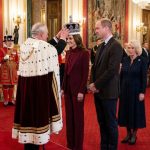
UNBELIEVABLE TWIST? Princess Diana’s “Will Reveal” Sparks Fresh Shockwaves
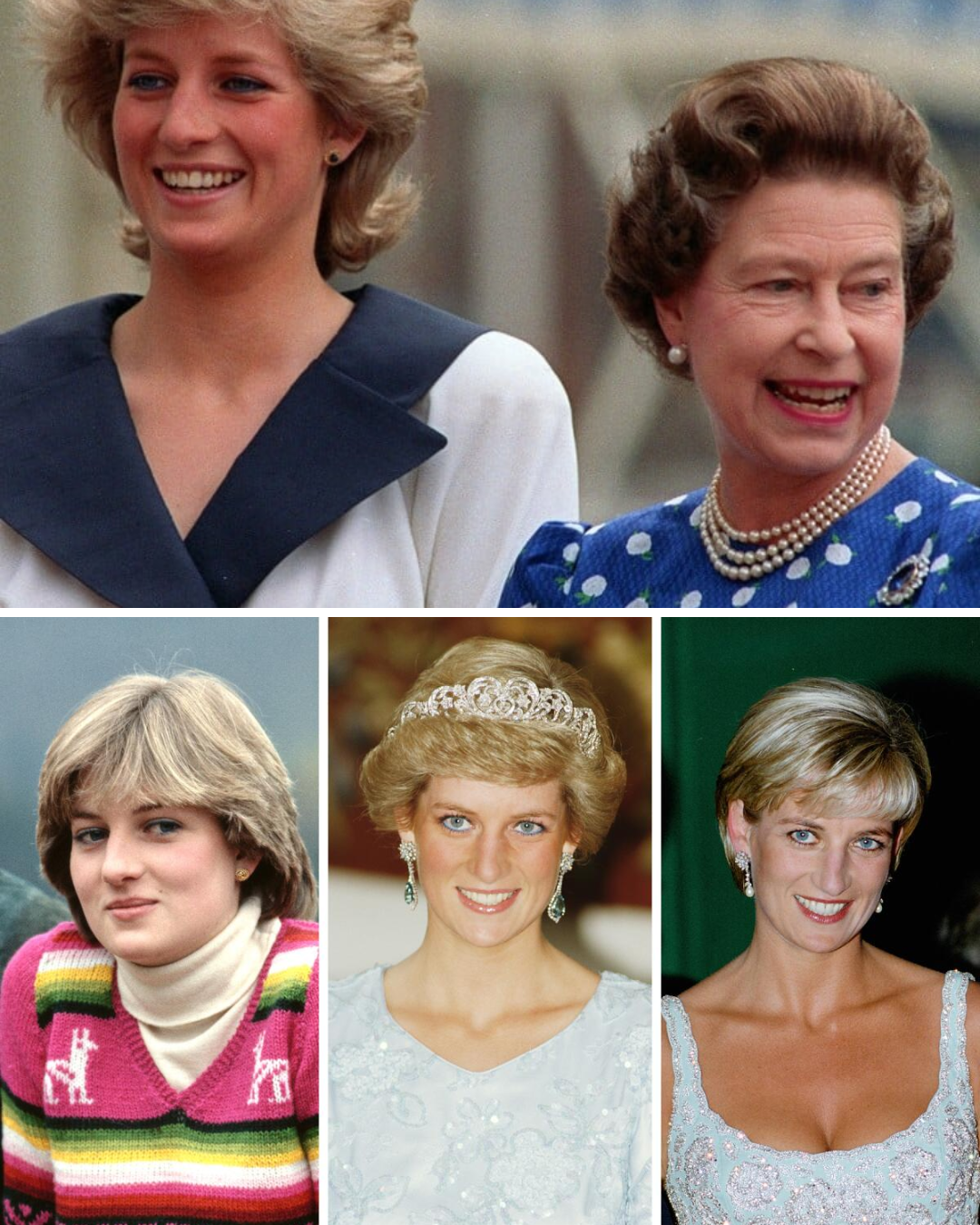
A viral “royal thriller” narrative is circulating again: that the reading of Princess Diana’s will contained a single, explosive surprise that “changed everything,” reigniting whispers of palace feuds, legacy wars, and a final act of defiance. The framing is cinematic—almost designed to make readers imagine one shock beneficiary standing above everyone else.
The reality is both more ordinary and, in its own way, more revealing.
Public reporting and probate material show Diana’s estate was substantial but not limitless. After her death on August 31, 1997, filings described assets of about £21 million, netting roughly £17 million after estate taxes, with the bulk intended to benefit her two sons, Prince William and Prince Harry. That structure—protecting minors through a trust administered by trustees—was not a soap-opera twist. It was a conventional approach for a parent trying to safeguard children who were 15 and 12 at the time.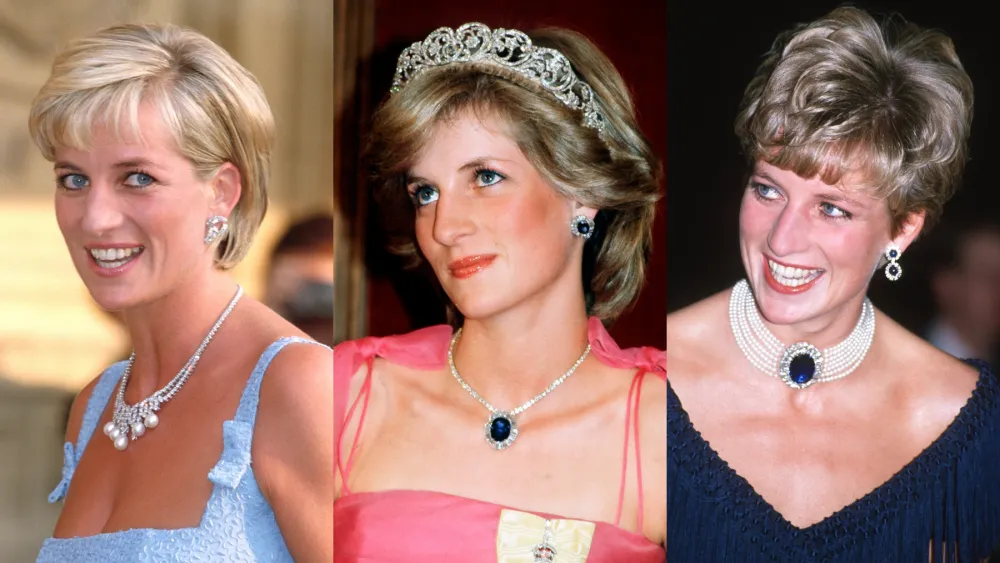
So why does the will keep getting portrayed as a bombshell?
Part of the answer lies in the details that are easy to sensationalize when stripped of context. Diana’s 1993 will appointed her mother, Frances Shand Kydd, and her private secretary, Patrick Jephson, as executors and trustees—then a 1996 codicil replaced Jephson with Diana’s sister, Lady Sarah McCorquodale. The change sounds dramatic in a headline (“Diana removed a trusted insider!”), but it can just as easily read as a practical decision during a turbulent period in her life, made to keep the administration of her estate within close family.
Another frequently “weaponized” element is Diana’s separate written wishes about personal property—often summarized as a quiet blueprint for her sons’ future. During later court proceedings, reporting described an attached note stating she wanted three-quarters of her chattels to go to William and Harry and the remainder to her 17 godchildren, while her jewellery was intended for her sons for the eventual use of their wives. In viral retellings, that becomes: “Diana set a trap for the palace” or “Diana secretly cut someone out.” In fact, it reads like a mother thinking beyond the immediate moment—about adulthood, marriage, and continuity.
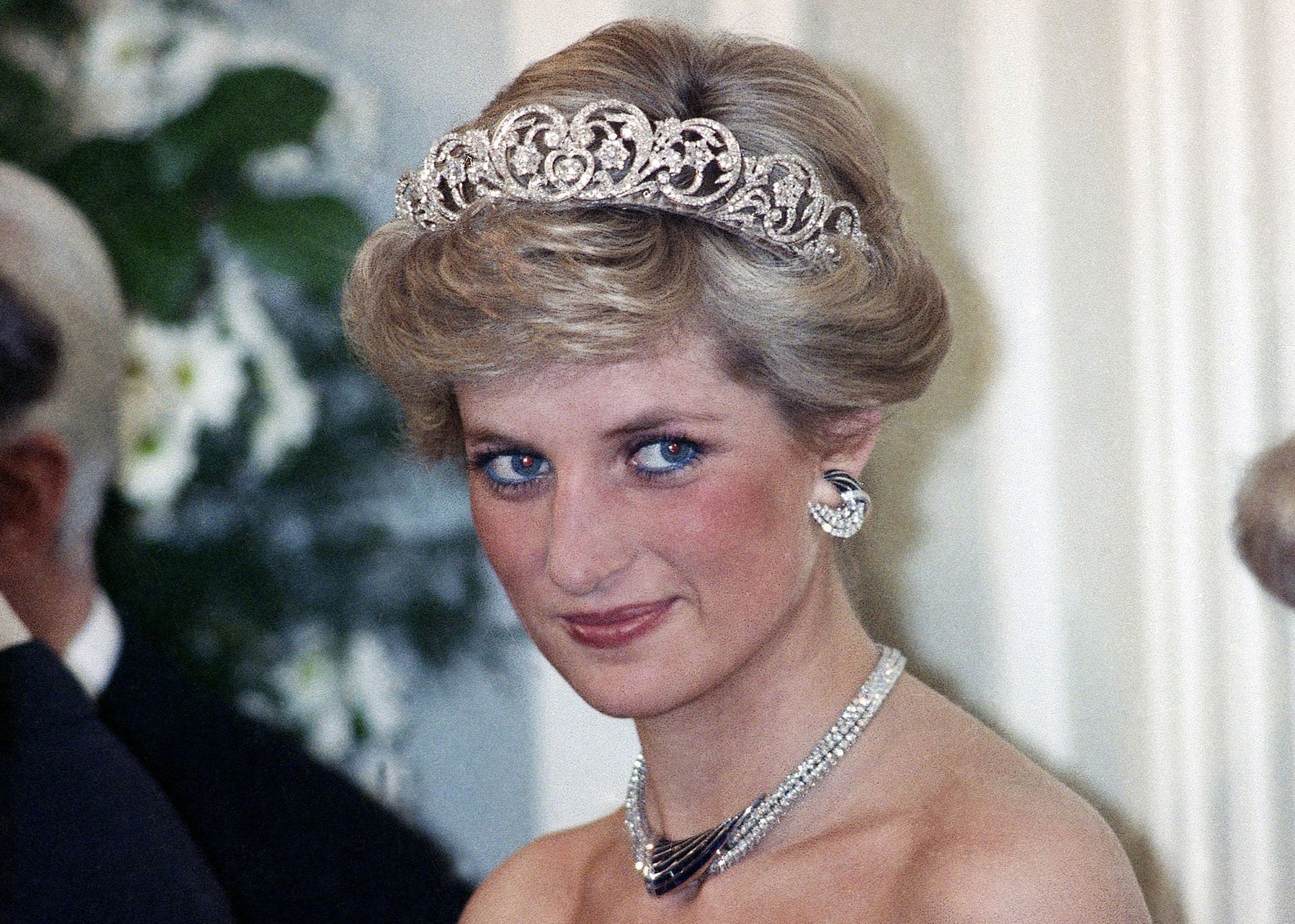
The most consequential twist came not from a mysterious “one beneficiary,” but from what happened after Diana died. Probate practice allowed for a court-approved rearrangement that altered how and when some benefits were distributed. Multiple accounts describe a variation that delayed the princes’ access (often reported as to age 30 rather than earlier) and reduced what godchildren received to one item each rather than a larger share suggested in Diana’s wishes. That kind of legal reshaping is precisely the sort of nuance viral stories flatten into “palace betrayal.”
As for the claim that “everything changed” at the will reading: the evidence supports a calmer conclusion. Diana’s estate plan largely did what many parents would do—prioritize children, use trustees, and attach personal guidance about sentimental items. The shockwaves today are less about new facts and more about a familiar media engine: repackaging documented legal details into a dramatic morality play that rewards outrage, speculation, and clicks.