Abandoned Abroad — Saved by Strangers
Seventy-four-year-old Suzan Smith was preparing to fly home from Italy when everything changed in an instant.
She collapsed while boarding her flight.
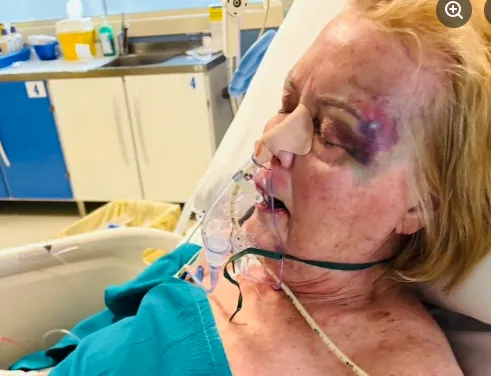
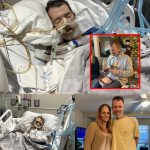
Her tour group continued on without her. The next morning, she was found unconscious in her hotel room and rushed to a hospital, where she slipped into a week-long coma. Alone in a foreign country, weak and critically ill, her survival was uncertain. No familiar faces. No immediate family at her bedside. Just hospital walls in a language not her own.
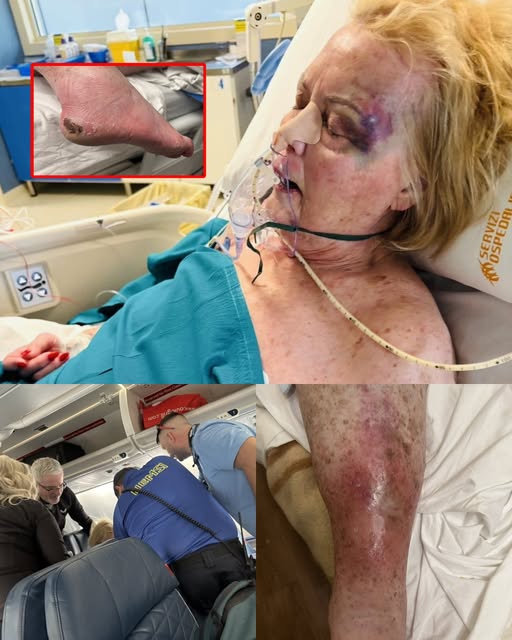
It could have ended there — a frightening story of isolation.
But one airline employee chose not to look away.
Laura Voborny Ruiz, a Delta Air Lines employee, stayed involved after the initial emergency. She tracked updates. She contacted Suzan’s partner back in Alabama. She helped bridge the terrifying gap between crisis and coordination. In moments where systems can feel cold and procedural, she made it personal.
Soon, Blue Cross Blue Shield and an AirMed team arranged a medical evacuation flight to bring Suzan home — a complex and costly process that requires precise medical planning and in-flight care.
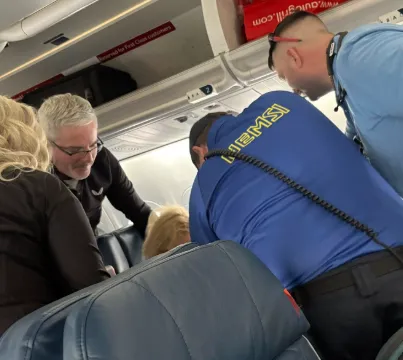
The journey didn’t end upon landing.
Recovery was long and grueling. There was a wheelchair. Then a walker. Then months of physical therapy. Strength had to be rebuilt inch by inch. Independence reclaimed step by step.
Today, Suzan is walking again.
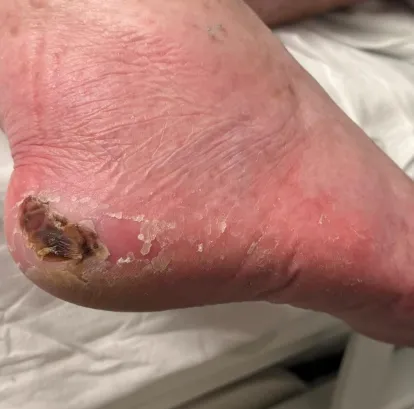
Her story isn’t just about medical survival — it’s about human intervention. About one person deciding that “not my responsibility” wasn’t good enough. About systems working when they needed to. About strangers stepping forward when family couldn’t physically be there.
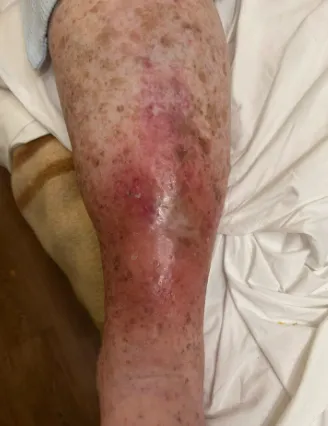
In a world that often feels indifferent, sometimes it only takes one person to become a lifeline.
And sometimes, being brought home is more than a flight — it’s a second chance.