DIESEL ROARS BACK INTO THE SPOTLIGHT, SPARKING A NEW POLITICAL FIRESTORM IN WESTMINSTER
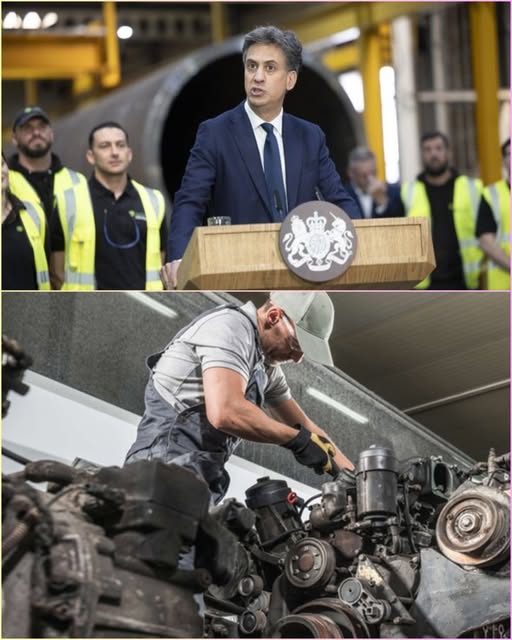
A major British car manufacturer has reignited one of the most divisive debates in UK transport policy by confirming a renewed long-term commitment to diesel vehicles, arguing that the technology remains essential for millions of everyday motorists.
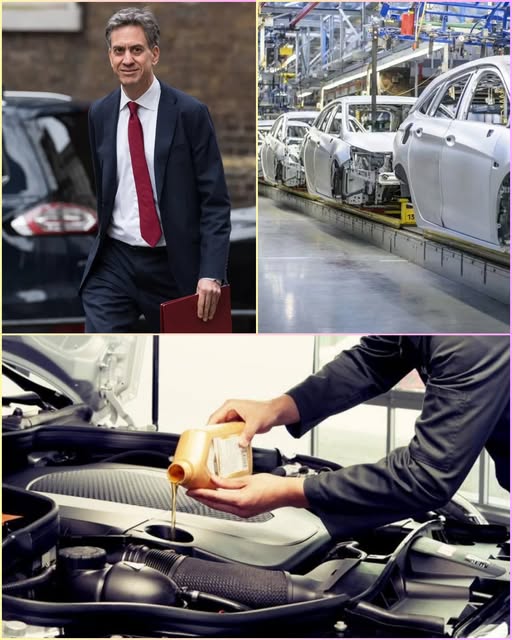
The move, described by industry leaders as a “pragmatic reset,” comes amid growing pressure on the government to balance its net-zero ambitions with rising costs, infrastructure challenges and the practical needs of drivers across the country.
According to the company, diesel powertrains continue to play a crucial role for high-mileage users, rural communities and commercial customers who rely on long range, rapid refuelling and proven performance. Executives stressed that while electrification remains a central strategy, a full and immediate transition is not yet realistic for all parts of the UK.
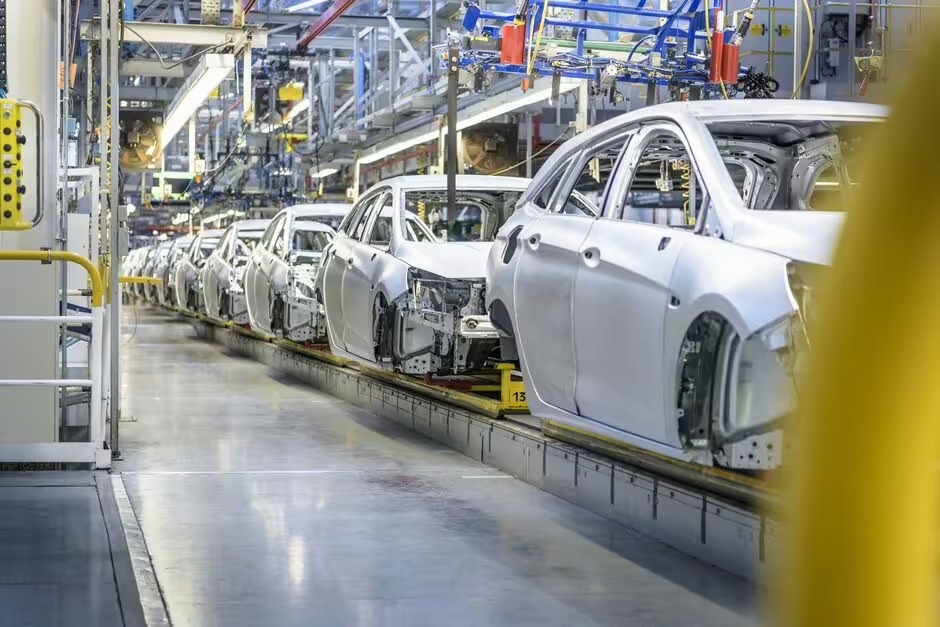
The announcement has quickly triggered a political storm in Westminster. Several lawmakers and environmental groups warned that renewed investment in diesel risks undermining the government’s climate commitments and could slow the shift toward cleaner technologies.
Critics argue that public confidence in the 2035 ban on new petrol and diesel cars depends on clear and consistent signals from both government and industry. Any backtracking, they say, could weaken momentum and discourage investment in charging infrastructure and low-emission transport.
Supporters of the decision, however, point to economic realities. They highlight rising vehicle prices, uneven access to charging networks and ongoing concerns from small businesses that depend on reliable long-distance vehicles. For many drivers, they argue, diesel still offers a cost-effective and dependable solution in the short to medium term.
Transport analysts note that this renewed commitment reflects a broader shift in tone across the European auto industry. Rather than pursuing an all-or-nothing transition, manufacturers are increasingly calling for a phased and flexible pathway that allows multiple technologies to coexist during the transition to cleaner mobility.
The debate now places fresh pressure on ministers to clarify how future transport policy will support consumers, protect jobs and meet environmental targets at the same time.
As Westminster prepares for renewed parliamentary scrutiny, one question is rapidly dominating the conversation: can the UK realistically reach its climate goals without leaving everyday drivers and businesses behind?