Flames at the Altar: A Moment of Reckoning in Vatican City
- TranThuy
- February 24, 2026
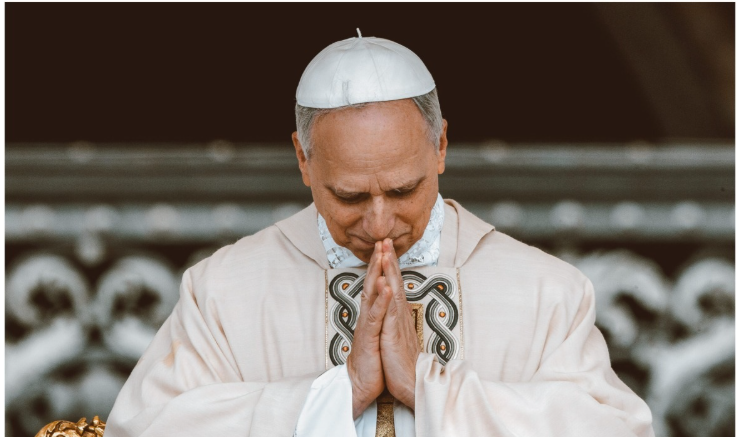
Five minutes ago, silence reportedly fell over the Vatican. Within the sacred walls of Vatican City — where centuries of ritual shape every movement and every word carries theological weight — an extraordinary scene was said to have unfolded. At the heart of it stood Pope Leo XIV, approaching the altar not to celebrate Mass, but to confront what witnesses described as a moment of profound institutional tension. The stillness inside the chamber was not ceremonial. It was heavy, uncertain, almost electric.
According to circulating accounts, hours earlier private whispers had swelled into open confrontation. Several cardinals, their voices measured but urgent, were said to have pressed the Pope to consider resignation. Though the precise grievances remain unclear, insiders described the atmosphere as strained and historic — a collision between authority and accountability. In a Church shaped by tradition and hierarchy, such direct challenge carries immense weight. The room, observers say, felt suspended between reverence and rupture.
Then came the act no one expected. Holding a single letter — its contents undisclosed — the Pope reportedly walked to the altar and placed it upon the sacred surface. Without speech or visible hesitation, he set it aflame. The fire rose briefly, casting flickering light against ancient marble and gold. No explanation followed. No decree was issued. Only the quiet crackle of paper turning to ash broke the silence. In a place where symbolism is inseparable from action, the gesture resonated far beyond the physical act itself.
For many watching, the symbolism was overwhelming. The altar represents sacrifice, covenant, and divine witness. Why choose such a sacred space for such a dramatic gesture? Some interpreted it as defiance — a refusal to yield under pressure. Others saw surrender, perhaps the symbolic destruction of a resignation letter never to be delivered. Still others believed the act transcended politics altogether, framing it as a spiritual statement: a declaration that private accusations or internal divisions would not define a public calling.
Speculation now ripples far beyond Rome. Commentators debate whether the event signals a deeper fracture within the Church or merely a moment of intense but temporary discord. In an era when institutions worldwide face scrutiny, even the smallest symbolic act can echo globally within minutes. The unknown contents of the letter fuel the mystery. Who authored it? Was it written in defense, confession, or refusal? And why choose public destruction over private resolution?
Moments like these test institutions not only in doctrine, but in human frailty and courage. Whether this scene becomes a turning point in Church history or fades into the quiet complexity of internal governance remains uncertain. Yet one image will endure: flame rising briefly upon the altar, illuminating a leader standing alone before centuries of tradition. Beneath the Vatican sky tonight, the world watches and waits — reminded that even in the most ancient halls of power, history can pivot in a single, silent gesture.