SHOCKING TRUTH EXPOSED: Minnesota’s “$2.4 BILLION” Money Trail Linked to Shell Entities
MINNEAPOLIS — Viral posts claiming investigators have traced $2.4 billion in Minnesota funds through “shell entities” tied to a sprawling fraud pipeline are driving fresh scrutiny of the state’s long-running scandal over misuse of public dollars. But available public records show a more complicated picture: federal prosecutors have proven hundreds of millions in fraud in specific cases—most notably the Feeding Our Future child-nutrition scheme—while broader probes and political rhetoric about “billions” remain harder to substantiate with court filings and audited totals.
The largest confirmed criminal case to date centers on Feeding Our Future, a nonprofit at the heart of what prosecutors have described as a massive COVID-era fraud involving the federal child nutrition program. Authorities have alleged that conspirators submitted false meal counts and invoices, then laundered proceeds through layered transactions and spending on luxury items and real estate—classic mechanics investigators often associate with shell-company behavior, even when entities are technically registered businesses. A state audit said lax oversight “enabled” theft of roughly $250 million in federal food-aid funds, making it one of the nation’s biggest pandemic-relief fraud cases.
What is new—and what is powering the “money trail” narrative—is that federal officials have signaled a wider lens beyond a single nonprofit network. The Associated Press reported in January 2026 that Homeland Security officials described an ongoing investigation in Minneapolis that follows the Feeding Our Future exposure and looks across multiple Minnesota-administered programs. In that reporting, authorities cited an estimate that as much as half of $18 billion in federal funding across 14 Minnesota programs since 2018 may have been misappropriated—an assertion that suggests potential losses in the billions, but not a court-proven total.
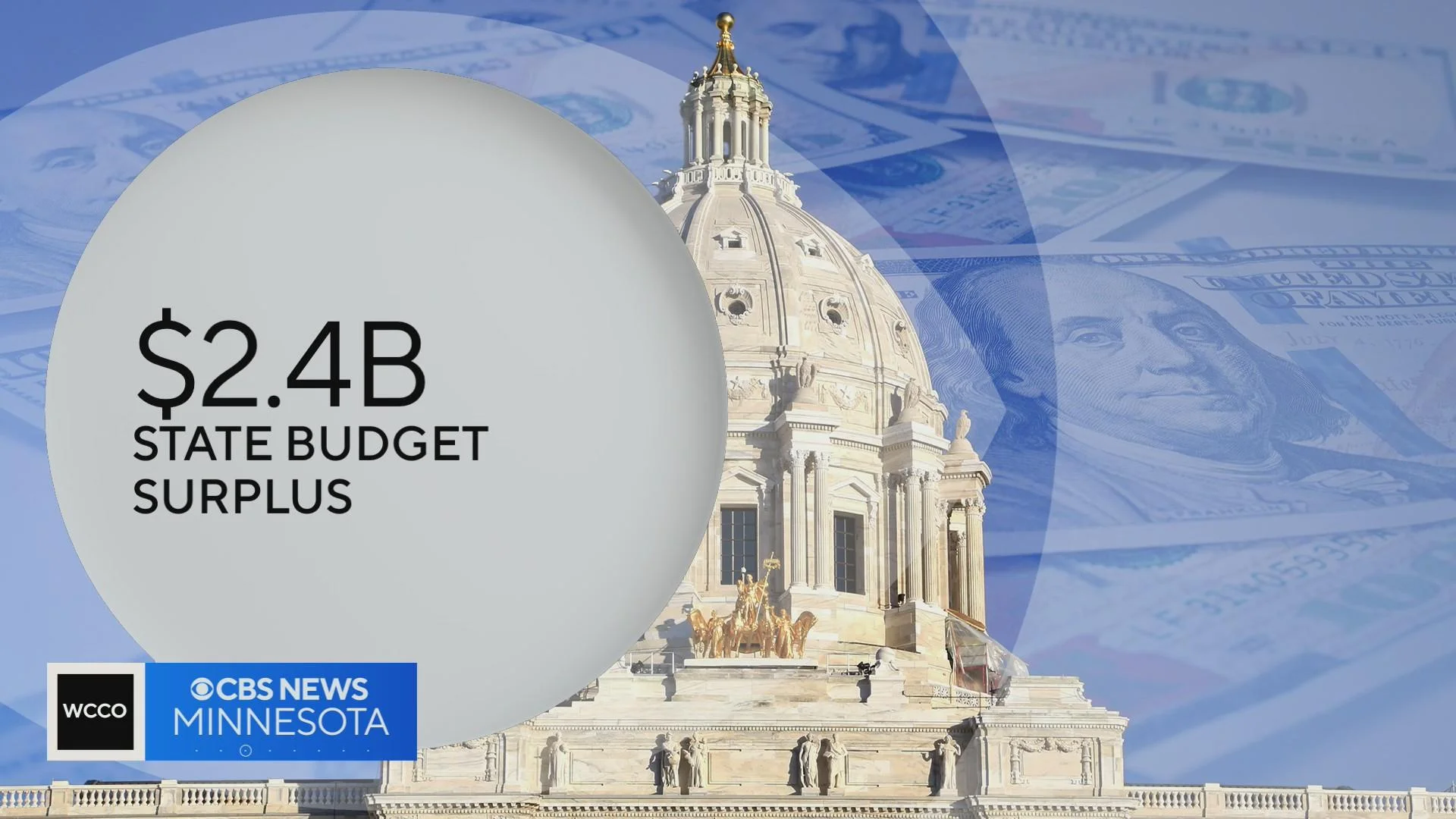
So where does the specific $2.4 billion figure come from? It appears prominently in viral social media content and commentary about Minnesota fraud. Major news reporting on the subject has emphasized that “billions” claims are often estimates, projections, or politically amplified interpretations rather than amounts charged in a single indictment. CBS News, in a January 2026 explainer on the state’s “massive fraud” narrative, noted how a viral video pushed the topic into national conversation—often compressing multiple cases and years of allegations into a single headline number.

Investigators typically map suspected shell-entity networks by tracking incorporation records, bank accounts, vendor contracts, and payment flows—then identifying patterns such as entities with minimal operations, shared addresses, common signatories, circular transfers, or invoices that don’t match real-world services. In Minnesota, officials have publicly described a push to expand that kind of scrutiny, especially where public programs relied on emergency-era speed over verification.
For now, the verified bottom line is this: Minnesota has already seen proven nine-figure fraud, including money-laundering allegations tied to meal-program abuse, and federal authorities say they are pursuing broader investigations that could widen the scope. But the viral claim of a single, established $2.4 billion shell-company pipeline should be treated cautiously unless and until it is supported by indictments, audit totals, or court findings that explicitly document that amount.