Erika Kirk Faces Online Cheating Allegations as Turning Point USA Grapples With Renewed Scrutiny
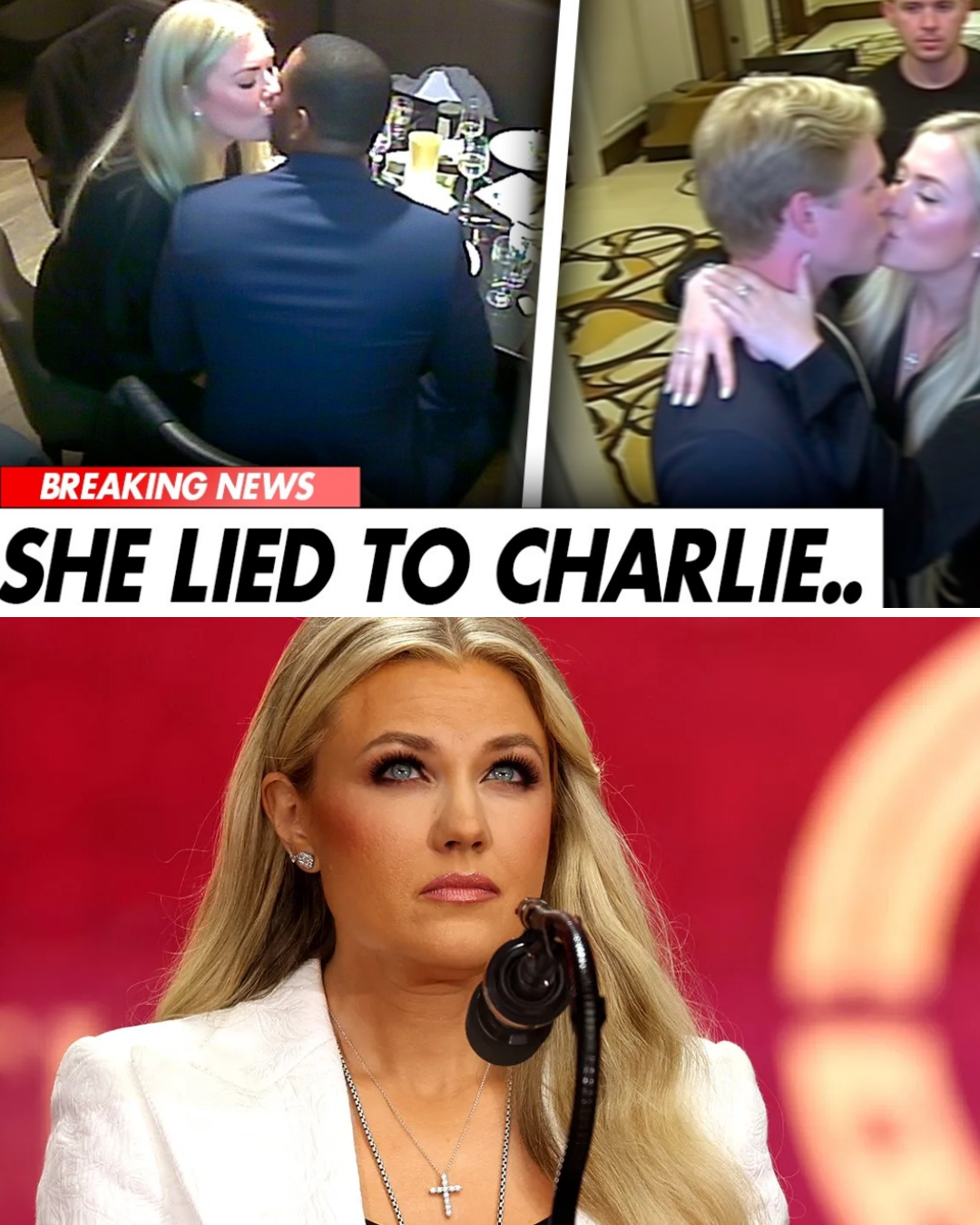
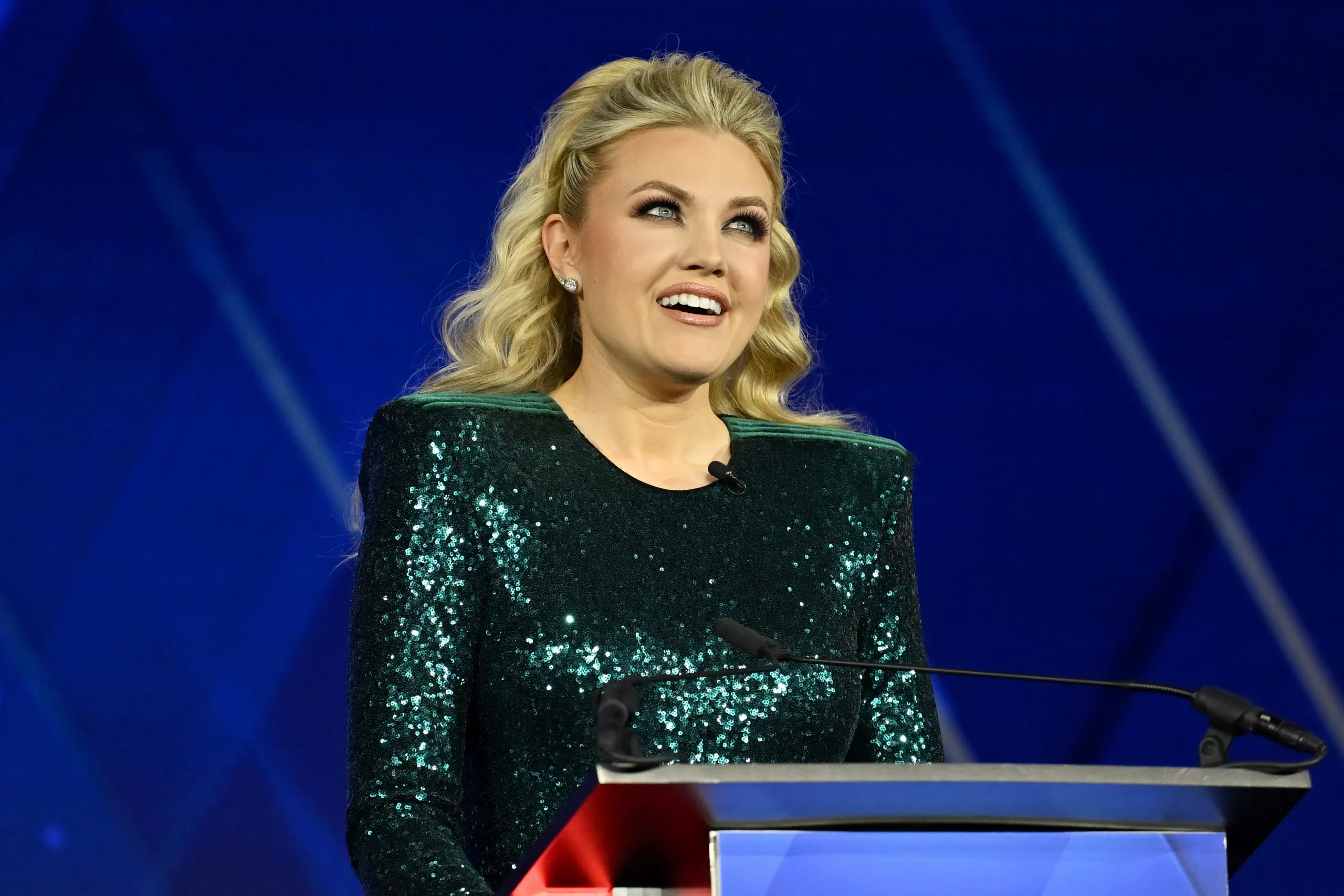
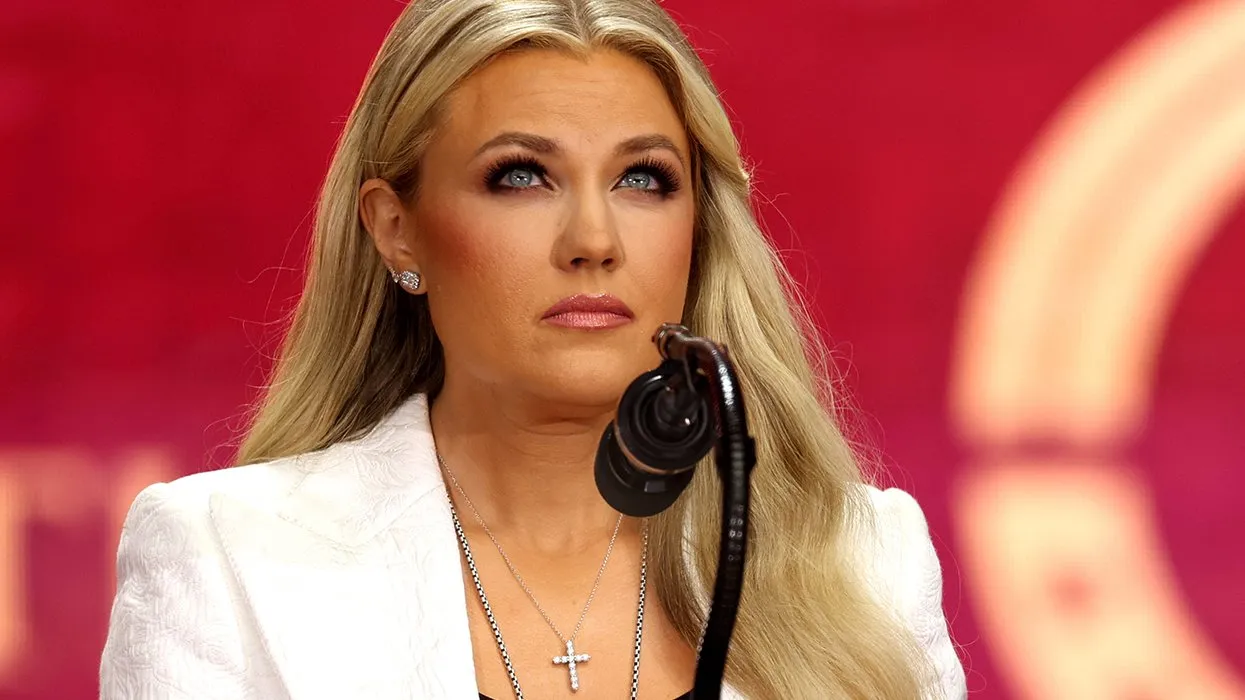
A wave of online posts has put Erika Kirk, a prominent figure associated with Turning Point USA, at the center of fresh controversy after claims surfaced accusing her of infidelity involving multiple men, including alleged connections within the organization itself. The accusations—circulating largely through social media and commentary-driven outlets—have reignited debate among supporters and critics about credibility, leadership, and the political movement’s messaging around “family values.”
The article published by News.usstareveryday frames the episode as a scandal with potentially far-reaching consequences, describing it as a story that “shook” the conservative ecosystem around Turning Point USA and portraying Kirk’s public image as increasingly under strain.
At the heart of the allegations is the claim that Kirk carried on affairs with several men and that at least some of these alleged relationships were tied—directly or indirectly—to Turning Point USA. The piece does not present official documentation, court records, or verified reporting to substantiate the accusations, but depicts the story as a rapidly spreading narrative that has intensified internal tensions and public speculation.
Claims tied to a marriage under public pressure
In recounting how the rumors escalated, the article leans heavily on the idea that Kirk’s marriage to Charlie Kirk, Turning Point USA’s founder, had faced strain prior to his death. It alleges that Charlie Kirk grew suspicious of his wife’s behavior in the months leading up to his passing. As part of that portrayal, the article cites commentary attributed to conservative media personality Candace Owens, claiming Charlie Kirk stopped wearing his wedding ring and began sleeping apart from Erika.
These details—presented as signals of marital breakdown—are framed as the emotional foundation of the broader online narrative: a private crisis allegedly unfolding behind a highly visible political brand that emphasizes faith, family, and traditional values.
Focus shifts from personal claims to organizational credibility
Beyond the personal dimension, the article suggests the controversy has implications for Turning Point USA’s internal cohesion and public standing. It argues that the allegations, regardless of whether they are ultimately proven, have fueled criticism that the organization’s leadership does not live up to the standards it promotes.
The piece describes debate among supporters—some questioning whether the movement is being damaged by the scandal, others dismissing it as rumor-driven controversy designed to weaken a political brand. The organization, as described, is confronted with a familiar modern problem: reputational fallout can spread quickly, even when the underlying claims are unverified.
Public reactions and Kirk’s response
According to the article, the online reaction has been intense and polarized. It characterizes the environment as a media frenzy where each new claim—whether substantiated or not—adds momentum to the story.
Kirk, the article says, has attempted to reject the accusations, describing them as unfounded. Even so, the report argues that the reputational damage may already be significant, particularly because the claims strike at the heart of what the movement presents as moral authority.
The same account also criticizes Kirk’s public posture following her husband’s death, asserting that some of her comments and appearances were viewed by detractors as self-promotional rather than reflective. That portrayal—suggesting a mismatch between public expectations of mourning and her media presence—has become part of the broader narrative used by critics to question her sincerity and motives.
What remains unclear
While the article presents a dramatic storyline of betrayal and hypocrisy, it also leaves key questions unresolved: What evidence exists beyond online claims? Who are the alleged individuals involved? Are there verifiable documents, witnesses, or official inquiries? The piece describes the situation as unfolding, but does not cite formal findings or independently verified proof.

For now, the controversy appears to be driven primarily by internet amplification—an increasingly common dynamic in U.S. political media, where allegations can become “real” in the public mind through repetition, even in the absence of confirmed reporting.
A test of trust and brand identity
The article concludes by framing the episode as a broader cautionary tale about reputation, loyalty, and leadership in a movement built on moral messaging. Whether the claims fade or expand, the story underscores a central tension: when a political organization builds its identity around personal virtue, its leaders’ private lives—real or alleged—can quickly become public battlegrounds.