Mel Gibson and the Shroud of Turin: Why His Alleged Claim Is Reigniting a Global Debate
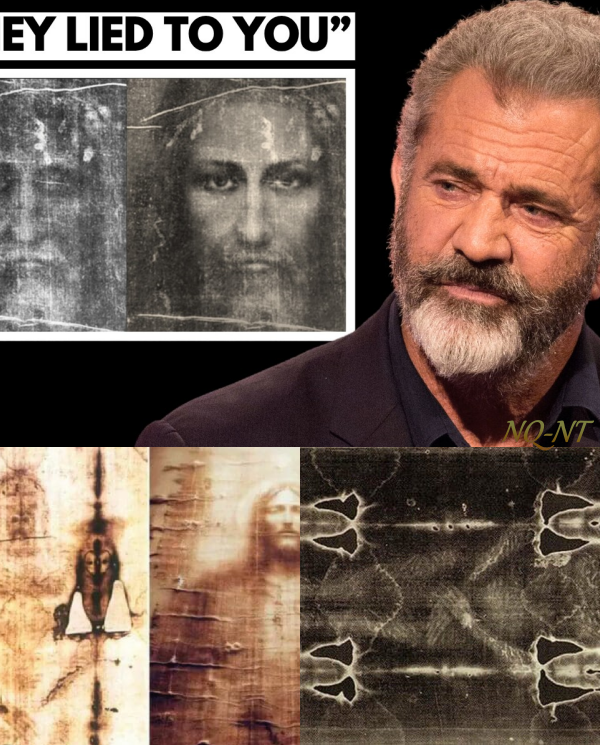
A striking headline is circulating online claiming that Mel Gibson has declared: “They’re lying to you about the Shroud of Turin.” The statement has quickly reignited one of the longest-running and most emotionally charged debates in religious history — whether the Shroud of Turin could be the burial cloth of Jesus.
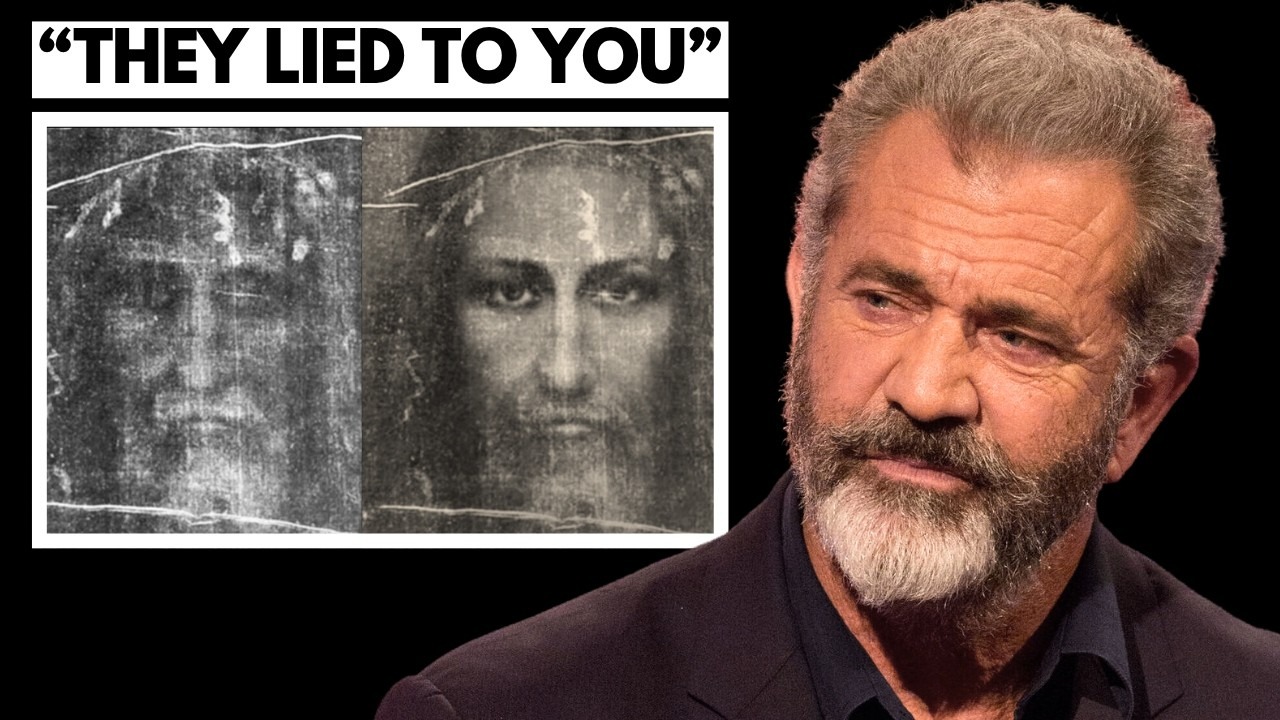
As with several recent viral stories linked to Gibson’s name, the first and most important question is simple: did he actually say this?
At present, there is no confirmed public interview, verified recording, or official statement from Mel Gibson in which he uses this exact phrase. The quote appears to originate from headline-driven websites and social media posts that do not reference an identifiable source such as a broadcast interview, academic forum, or published conversation.
That said, the controversy surrounding the Shroud of Turin itself is very real — and far more complex than most viral summaries suggest.
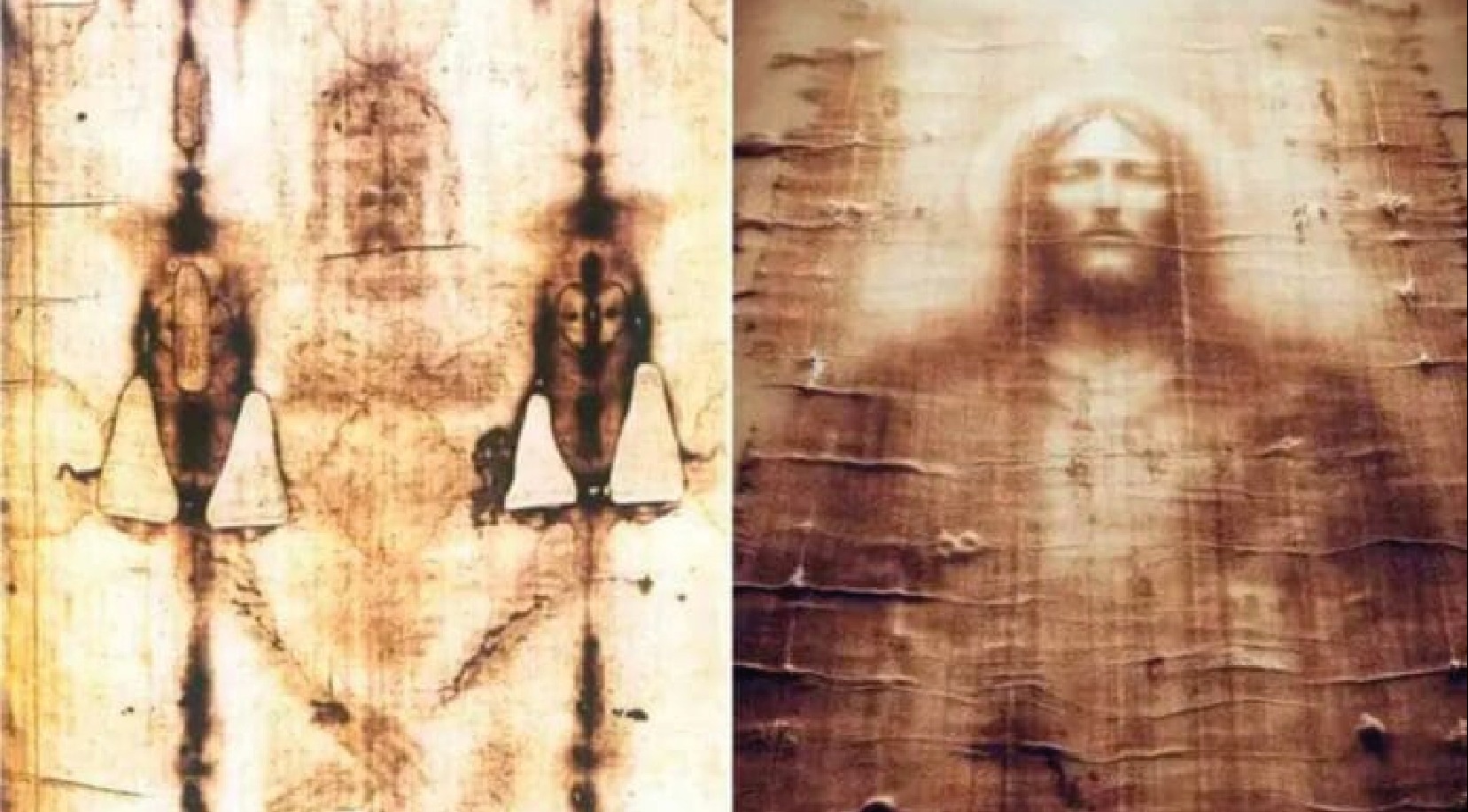
The Shroud of Turin is a linen cloth kept in the Cathedral of Saint John the Baptist in Turin, Italy. It bears the faint image of a man who appears to have suffered injuries consistent with a Roman-style execution. For centuries, many believers have regarded it as a sacred burial cloth associated with Jesus, while others consider it a medieval devotional object.
The modern scientific debate intensified in 1988, when three independent laboratories conducted radiocarbon dating on samples taken from the cloth. Those tests concluded that the material likely dated to the medieval period, roughly between the thirteenth and fourteenth centuries.
Supporters of the Shroud’s authenticity have long challenged those results. Their arguments do not focus on a single point, but on several unresolved issues that continue to be discussed in academic literature.
One of the most debated claims is that the sample used for radiocarbon testing may not have been representative of the original cloth. Some researchers argue that the tested section could have come from a later repair area, potentially affecting the dating results.
Others point to chemical and textile analyses suggesting that the fibers in the sampled corner may differ slightly from fibers in other parts of the cloth. This has fueled ongoing disagreement about whether the original test methodology was sufficiently rigorous.
Beyond dating, forensic specialists and imaging experts have also examined the Shroud’s surface image. The image is extremely superficial, affecting only the outermost fibers of the linen. No confirmed pigments, brush marks, or binders typically associated with painting have been conclusively identified.
In addition, the image contains three-dimensional information that becomes visible when processed with certain imaging techniques, an unusual feature that continues to puzzle both skeptics and proponents.
From a medical perspective, some researchers have argued that the wound patterns, scourge marks, and apparent blood flows are consistent with known Roman execution practices. Others counter that these details could have been produced by a skilled medieval artist familiar with religious iconography.
This is where the theological dimension often enters the debate.
For many believers, the Shroud is not primarily a scientific artifact, but a spiritual object. For many scientists and historians, however, the central issue is whether the available physical evidence can support claims about its origin.