James Webb and the “Greatest Cosmic Shock”: What Scientists Really Mean When They Say the Universe Is Bigger Than Expected
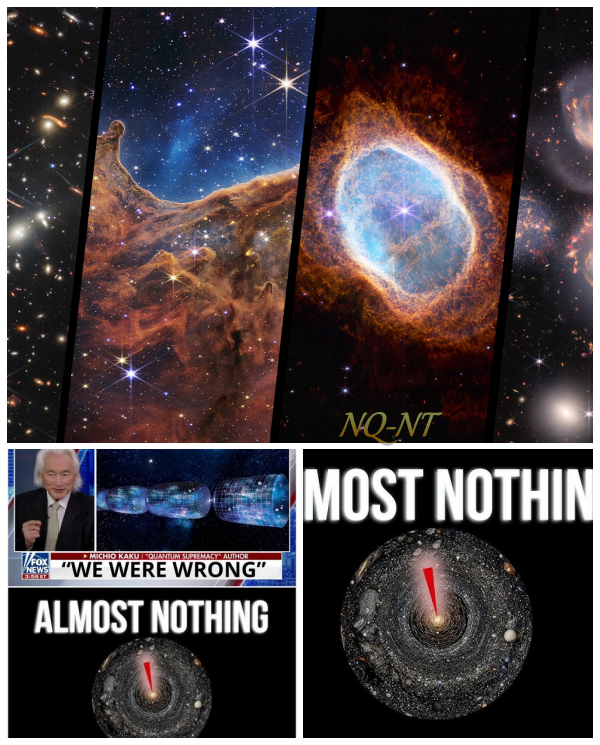
Wow — headlines like this are exploding right now, and it’s easy to see why. James Webb really has shaken astronomy. But the viral claim that Webb has revealed a universe so extreme that it “threatens to destroy reality itself” needs some important context.
Here is what is actually happening in real science — and why it is still genuinely exciting.
James Webb’s greatest impact so far has come from its ability to observe very distant galaxies that formed only a few hundred million years after the Big Bang. These are the earliest generations of galaxies ever directly observed.
What surprised many astronomers is not that galaxies exist at those distances — that was expected — but that some of them appear:
-
brighter than predicted,
-
more massive than models originally suggested, and
-
more chemically evolved than scientists anticipated for such an early cosmic time.
In other words, Webb is showing that some galaxies formed and matured faster than many simulations had assumed.
This is the real “shock”.
Several early studies reported candidate galaxies at extremely high redshifts — meaning their light comes from very early in the universe’s history. At first glance, these objects looked so large and bright that some researchers questioned whether existing galaxy-formation models could explain them.
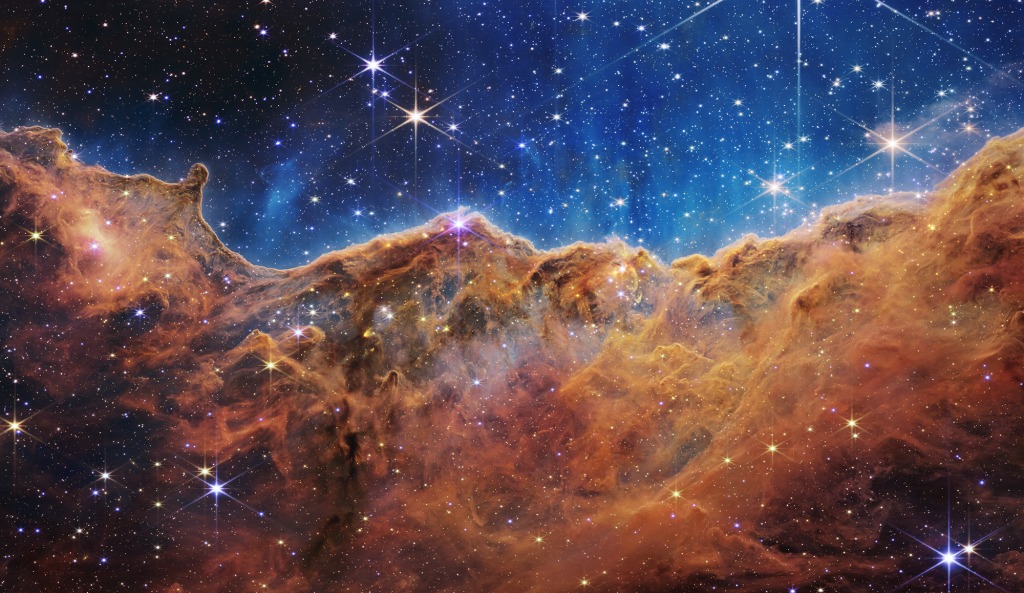
However, as follow-up observations and improved measurements came in, many of the most extreme early estimates were revised downward. This is normal in astronomy, especially when working at the absolute edge of detection.
Importantly, this does not mean galaxies “exist where none should exist.”
They exist exactly where modern cosmology allows them to exist — very early in the universe — but their rapid growth is forcing scientists to refine how quickly stars, dust, and heavy elements formed after the Big Bang.
Another key misunderstanding in viral posts is about the size of the universe.
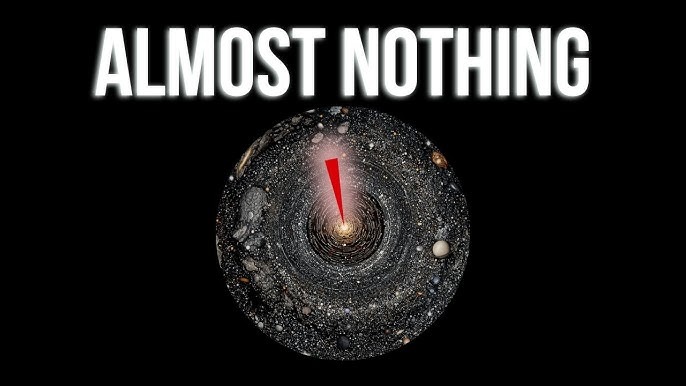
James Webb does not measure the total size of the universe.
It observes deeper and more sharply into the observable universe.
That distinction matters.
The observable universe is limited by how far light has had time to travel since the Big Bang. Webb is simply able to detect fainter and more distant objects within that already defined cosmic horizon.
So when headlines say Webb has revealed a “cosmic scale beyond imagination,” what they really mean is that Webb is revealing more detail and more objects at the far edge of what we can already observe — not that the universe itself suddenly became larger than physics allows.