🦊⚖️ Fine Print and Firestorms: Florida’s 2026 Deportation Debate
- TranThuy
- February 24, 2026
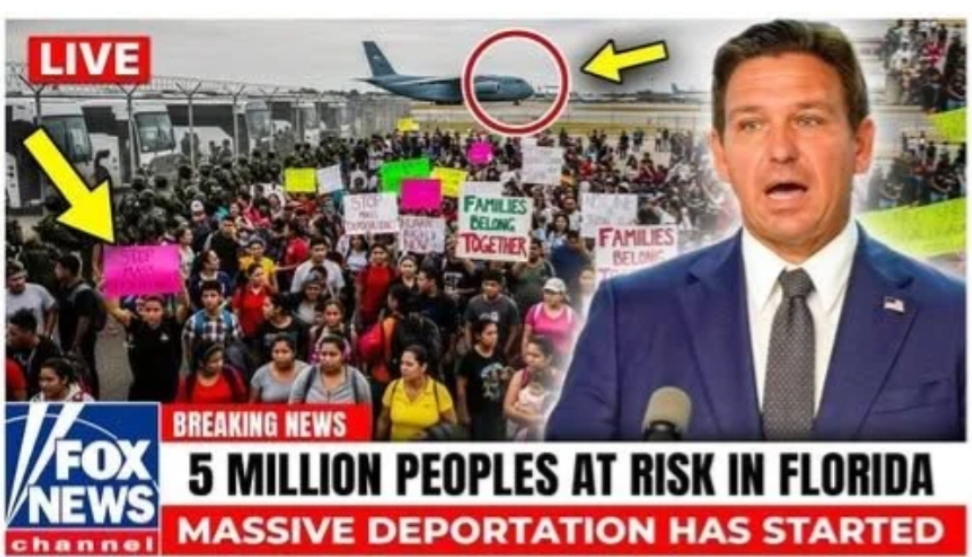
A legal earthquake is rumbling through Florida as sweeping new deportation laws set for 2026 ignite shock, fear, and fierce public debate. What began as a campaign promise for tougher immigration enforcement has evolved into a dense legislative overhaul filled with expanded definitions, complex enforcement triggers, and detailed provisions buried deep within the fine print. To some lawmakers, the reforms represent a necessary step toward restoring order and accountability. To others, they signal a dramatic shift that could reshape thousands of lives across the state.
Behind the doors of the Florida State Capitol, quiet negotiations have given way to a statewide firestorm. Legal analysts pore over the bill’s language, highlighting clauses that broaden the categories of individuals who may face detention or expedited removal. Community leaders are organizing emergency forums, inviting immigration attorneys to interpret complex paragraphs that few non-specialists can easily understand. What once sounded like a straightforward policy proposal has revealed layers of legal nuance that even seasoned experts find challenging to decode.
For immigrant families, uncertainty has become a daily companion. Parents wonder whether minor administrative errors—missed paperwork deadlines or outdated documentation—could suddenly place them at risk. Workers who have built lives and businesses in Florida question whether new enforcement partnerships between state and local authorities might expose them to heightened scrutiny. In neighborhoods from Miami to Jacksonville, conversations that once centered on schools and jobs now revolve around legal status, contingency plans, and the fear of sudden disruption.
Supporters of the legislation argue that the reforms are both lawful and necessary. They insist that clearer enforcement mechanisms will deter unlawful activity, reduce strain on public resources, and reinforce the rule of law. From this perspective, the broadened definitions are not hidden traps but tools designed to close loopholes. Advocates emphasize that the policy includes procedural safeguards and insist that critics are overstating the risks. To them, the approaching 2026 implementation date represents progress rather than peril.
Critics, however, see something far more troubling in the bill’s intricate wording. They warn that ambiguous phrases and expanded enforcement triggers could sweep up individuals who were never the intended targets. Advocacy groups claim that certain provisions were inserted with minimal public scrutiny, raising concerns about transparency. Civil rights organizations are preparing legal challenges, arguing that aggressive enforcement could erode trust between immigrant communities and local authorities. The debate has grown increasingly polarized, with each side accusing the other of distorting the facts.
As 2026 approaches, one question echoes across the Sunshine State: who will truly be affected when the fine print becomes reality? Laws are not merely words on paper; they shape real lives, alter futures, and redefine belonging. Whether these reforms ultimately bring the order supporters promise or the disruption critics fear remains uncertain. What is clear, however, is that Florida stands at a pivotal moment—where policy, politics, and personal stories intersect, and where the consequences of legislative language may soon move from theory into lived experience.