🎵 Echoes Behind Bars: Art, Accountability, and the Debate Around R. Kelly
- TranThuy
- February 24, 2026
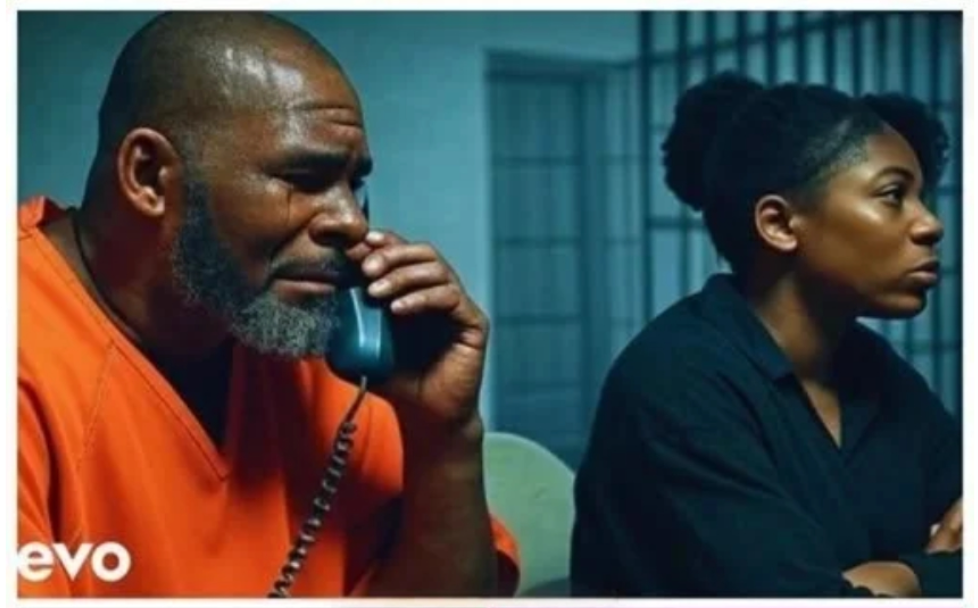
Rumors are swirling around a deeply emotional track titled “Every Daughter Needs Her Father,” allegedly connected to R. Kelly as he serves his federal prison sentence. The song, said to reflect on fatherhood, regret, and the longing for redemption, has ignited intense global discussion. Some listeners claim the lyrics are tender and remorseful, portraying a man confronting the consequences of his past. Others respond with discomfort, questioning the timing and the message behind any creative work emerging from someone whose name is now inseparable from serious criminal convictions.
Once celebrated as a Grammy-winning icon who dominated R&B charts for decades, Kelly’s career has dramatically transformed in the public eye. His musical achievements—awards, record-breaking hits, and cultural influence—now stand in sharp contrast to the legal judgments that reshaped his legacy. For many, this duality makes any rumored release particularly controversial. A song about fatherhood and reflection carries emotional weight, but it also arrives in the shadow of profound harm acknowledged in courtrooms. The tension between artistic expression and moral accountability has rarely felt so stark.
Legal experts point out that producing or distributing music from prison is no simple matter. Strict regulations govern communication, financial transactions, and creative output by incarcerated individuals. Any official release would require oversight, permissions, and compliance with federal rules. This legal complexity adds another layer to the public’s curiosity. Is the track an unofficial leak, a collaboration arranged before imprisonment, or something carefully reviewed and authorized? The uncertainty fuels speculation, amplifying both support and criticism.
Supporters of the rumored song argue that artistic expression can be part of personal reckoning. They believe that reflection, even from behind bars, may signal remorse or growth. Music has long served as a vehicle for confession, vulnerability, and transformation. To them, a song about daughters and fathers might represent a human moment—a recognition of responsibility and loss. They see the possibility that art can offer a glimpse into conscience, even when the artist’s past is deeply troubling.
Critics, however, remain skeptical. They question whether such a release could function as a strategic attempt to soften public perception or reshape a shattered image. When a public figure convicted of serious crimes presents themes of regret and redemption, listeners must grapple with difficult ethical questions. Can art be evaluated independently of the artist’s actions? Does emotional resonance risk overshadowing accountability? For many, separating melody from misconduct feels impossible, especially when the wounds involved are so profound.
As emotions run high, the conversation stretches far beyond a single track. It reaches into broader debates about justice, forgiveness, and the power of cultural memory. Society must wrestle with whether creative work can coexist with condemnation, and whether redemption—if it is to be considered—requires more than words set to music. In the end, the rumored song serves as a mirror reflecting our collective struggle: how to balance empathy with responsibility, and how to respond when art emerges from a past that cannot be undone.