When 80% Is Hidden — The Art of Seeing What Isn’t There
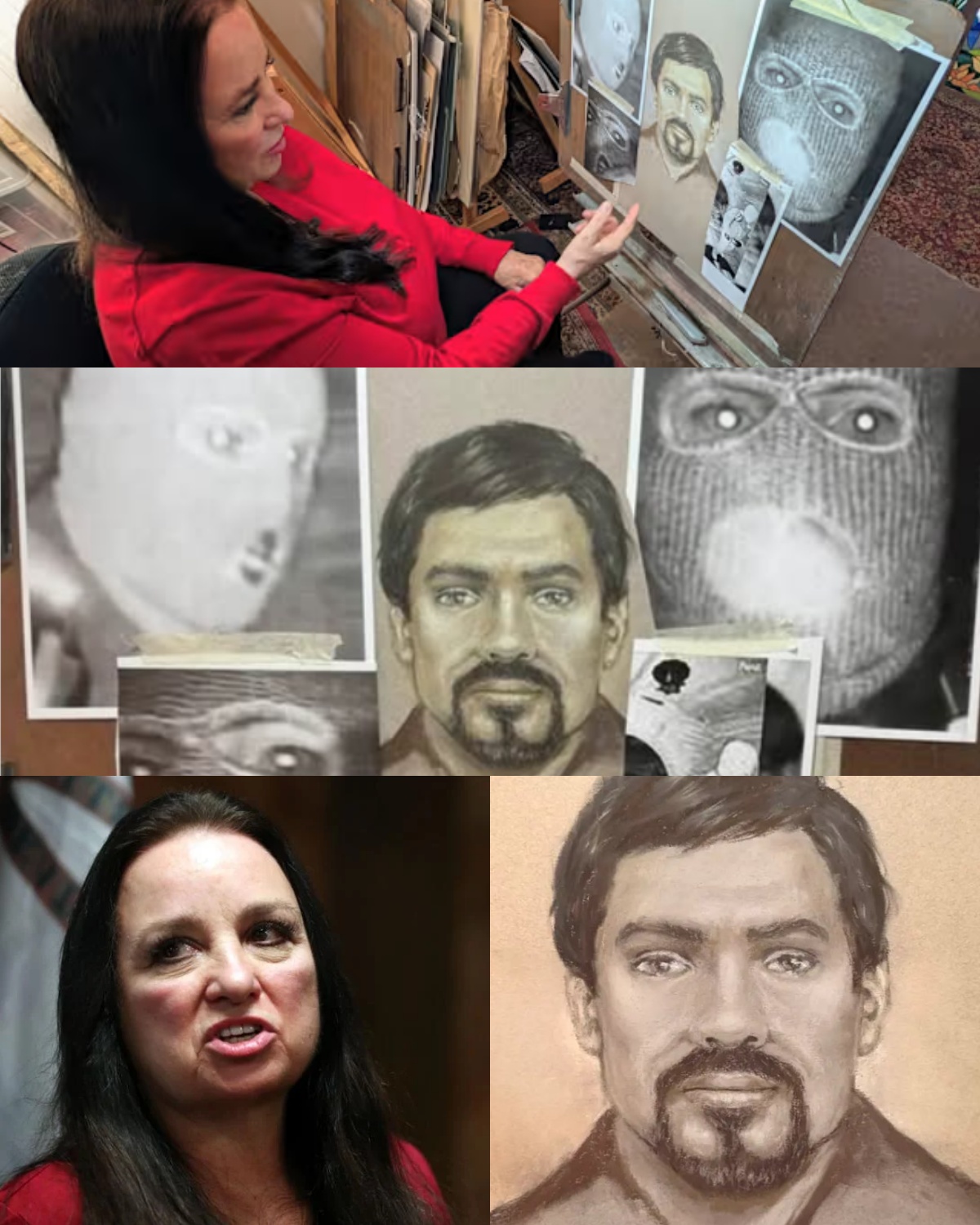
When about 80% of a suspect’s face is obscured, most people assume identification is impossible.
But for Lois Gibson, that’s where the work begins.
As one of the most recognized forensic sketch artists in the world, Gibson has helped law enforcement generate images that led to arrests — often from incomplete descriptions or partially hidden faces. Where others see missing information, she studies what remains.
Even when much of a face is covered, visible elements still provide structure:
• The spacing between the eyes
• Brow shape and angle
• Hairline placement
• Ear size and position
• Forehead height
• Jawline proportion
Facial anatomy follows patterns. Bone structure creates predictable geometry. A partially visible cheekbone can suggest underlying width. The angle of a nose bridge can hint at its overall shape. Proportions rarely lie — even when concealment tries to.
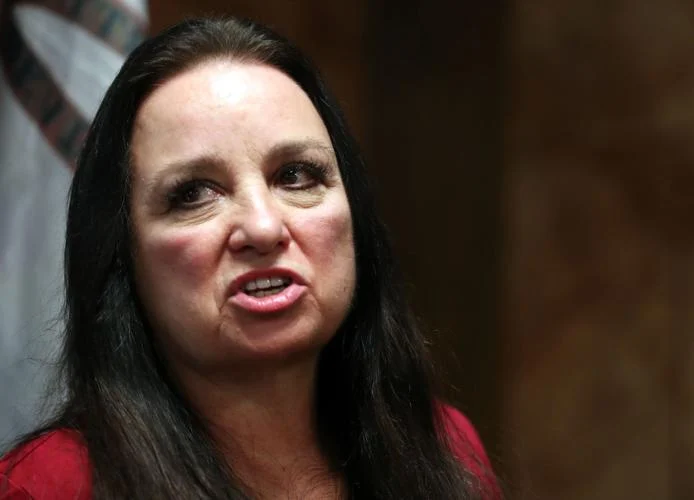
Gibson’s process blends anatomy, observational science, and cognitive interviewing techniques. When witnesses are involved, she carefully guides them through memory recall — helping them reconstruct not just features, but posture, expression, and subtle impressions that linger subconsciously.
A forensic sketch isn’t a portrait. It’s a bridge.
It doesn’t need to be perfect. It needs to be recognizable.
When 80% is hidden, the remaining 20% carries weight. And in the hands of a trained forensic artist, that fragment can become the face that someone, somewhere, recognizes.
Sometimes solving a mystery isn’t about seeing everything.
It’s about understanding what the smallest visible details are trying to say.