Police Report Sh𝚘𝚌𝚔ing New Evidence in Madeleine McCann Disappearance Revealed by Recent Documentary
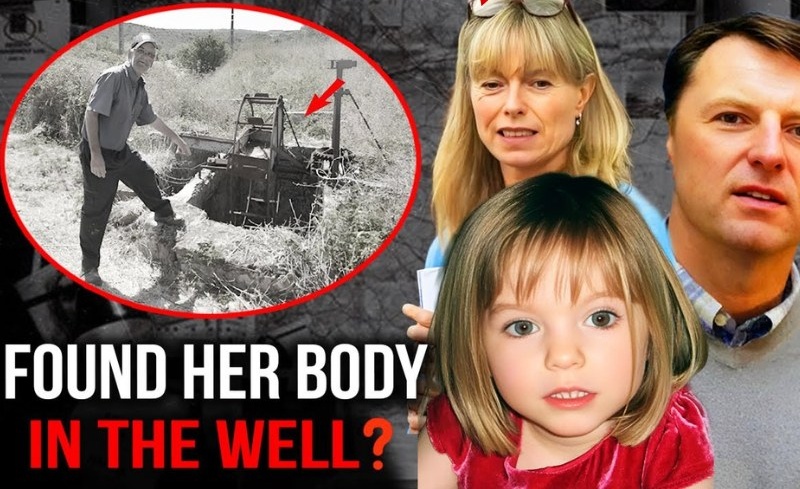
Nearly two decades after the disappearance of Madeleine McCann, a new documentary has brought renewed international focus to one of the most widely followed missing-child cases in modern history. The film examines investigative materials that former officials reportedly described as “deeply disturbing” and “unlike anything they expected to encounter,” prompting fresh discussion about evidence that has never been fully disclosed to the public.
Madeleine McCann disappeared on May 3, 2007, from a holiday apartment in Praia da Luz, Portugal. At just three years old, her disappearance triggered a global search effort, international cooperation between law enforcement agencies, and years of media coverage. Despite extensive investigations across Portugal, the United Kingdom, and Germany, definitive answers remain elusive.
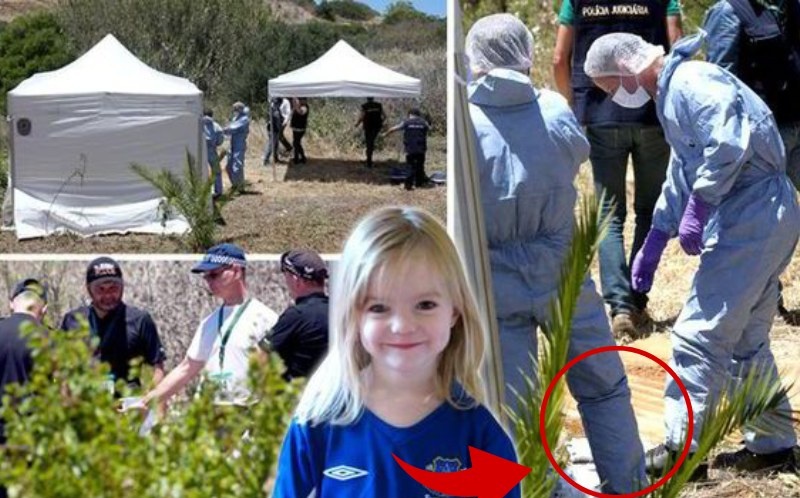
The newly released documentary features interviews with retired detectives, forensic analysts, and individuals familiar with portions of the case file. While it does not present graphic material, it references documented evidence gathered in the early stages of the investigation — including forensic samples, recovered items, and reports describing the condition of certain scenes examined by officers.
One retired official interviewed in the film stated, “I had worked homicide for decades. What I saw in those files shocked me.”
That remark stands out not only for its tone, but for what it implies. Investigators with long careers in serious crime are generally accustomed to complex and difficult cases. For a veteran officer to describe documented material as shocking suggests that the evidence reviewed may have significantly influenced internal assessments of the case. Importantly, the documentary emphasizes that these reactions were based on logged investigative material, not speculation.
A forensic specialist featured in the film addressed a common public perception: “People assume the absence of public detail means a lack of evidence. That is absolutely not the case.”

This statement highlights a key distinction in major investigations. Law enforcement agencies often withhold sensitive information to preserve investigative integrity. Restricting details can prevent false confessions, protect ongoing leads, and ensure that potential prosecutions are not compromised. Experts interviewed in the documentary stress that nondisclosure does not necessarily indicate inactivity or uncertainty.
According to contributors, there was a noticeable shift in tone among investigators after certain evidence was reviewed. Early optimism reportedly gave way to a more somber internal outlook. Although officials have never publicly detailed what prompted that change, those involved described the material as “dark” and “impossible to ignore.”
Legal analysts note that in long-running cases, especially those spanning multiple jurisdictions, the handling of evidence can be complex. The McCann investigation has involved cross-border cooperation, evolving forensic technology, retesting of DNA samples, and the review of partially redacted files. Each development adds layers to an already intricate case structure.
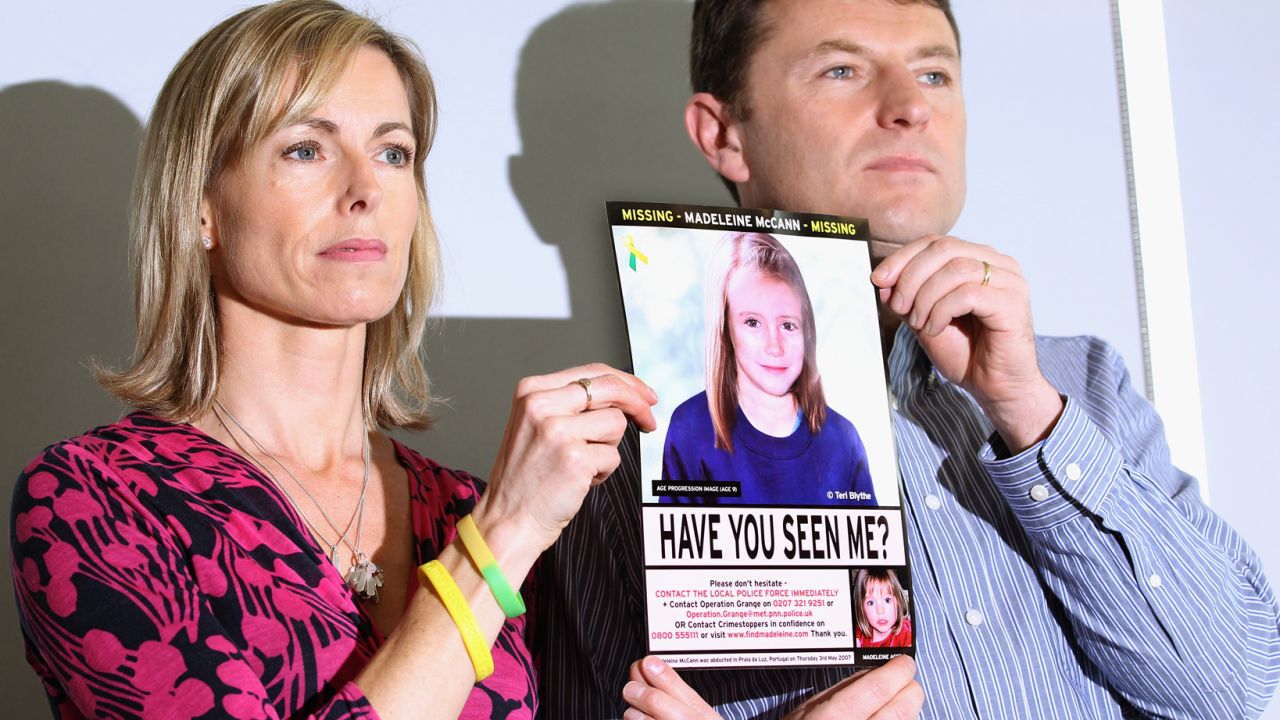
The documentary also revisits the broader investigative landscape: multiple crime scenes, dozens of interviews, and early witness statements that required verification and reevaluation. Over time, advancements in forensic science have allowed authorities to revisit material collected in 2007, sometimes yielding new perspectives.
Since the film’s release, public discussion has intensified across media platforms. However, officials in the United Kingdom, Germany, and Portugal have not directly commented on the documentary’s specific claims. Authorities have reiterated that the case remains active. German prosecutors previously identified a suspect in connection with the disappearance, though no final judicial resolution has been reached.
Criminal justice experts caution that documentaries, while valuable in renewing attention, often present curated narratives based on available interviews and selected documents. Without full public access to case files, viewers are seeing only a portion of the broader evidentiary picture.
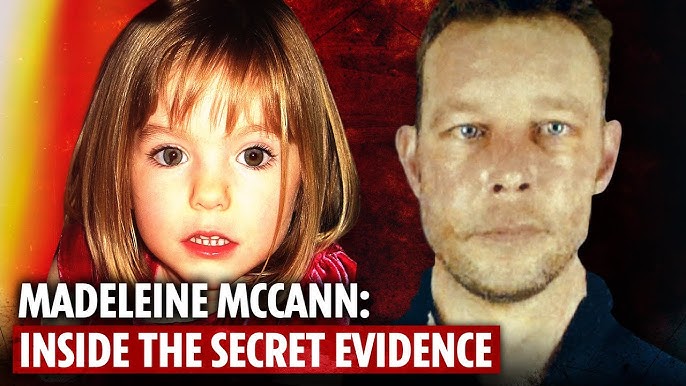
Still, the emotional weight carried by investigators featured in the film is evident. One retired detective reflected, “We don’t walk away from something like this. Not with what we saw.” Such remarks suggest that the case continues to have a lasting impact on those who worked it firsthand.
The enduring public interest in Madeleine McCann’s disappearance reflects both the scale of the original search and the unresolved nature of the case. For many observers, the central question remains whether critical answers lie within evidence that has yet to be fully revealed.
As forensic capabilities continue to advance and authorities maintain that the investigation is ongoing, the case remains open. Whether additional information will eventually be made public is uncertain. For now, the documentary has reignited attention, reminding audiences that the file is not closed — and that some aspects of the investigation remain known only to those who have examined the evidence firsthand.