Rumor, Reality, and the Name R. Kelly
- TranThuy
- February 25, 2026
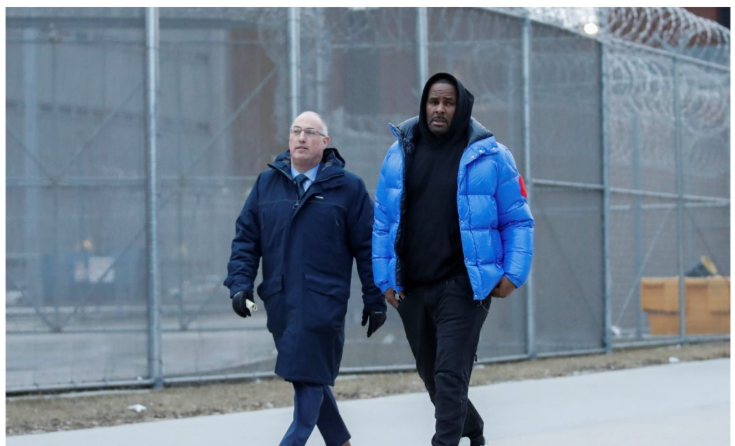
Shocking headlines are once again circling the name of R. Kelly, igniting intense debate across social media platforms. This time, the question spreading rapidly online is both dramatic and confusing: Why was he released from prison? Rumors claim that his life was allegedly in danger behind bars, painting a tense picture of threats, emergency security measures, and urgent decisions made away from public view. The narrative is compelling, filled with suggestions of hidden risks and last-minute interventions, and it has captured widespread attention.
The idea itself carries cinematic weight. In high-profile cases, prison authorities sometimes implement protective custody, facility transfers, or heightened monitoring when credible threats arise against an inmate. Such measures are not unusual when dealing with individuals whose notoriety may place them at risk. However, a full legal release from prison is an entirely different matter. That action would require formal court authorization, documented legal procedures, and official confirmation. Without verified court records or public statements from relevant institutions, speculation can quickly outpace established facts.
For many observers, even the possibility feels like a sudden twist in one of music’s most infamous legal sagas. R. Kelly’s convictions on federal charges marked a significant moment in broader conversations about accountability within the entertainment industry. His trial and sentencing were widely reported and closely followed, symbolizing a turning point for survivors seeking justice. The suggestion of an unexpected release therefore strikes some as shocking, while others question whether the rumor stems from misunderstandings about legal processes such as appeals, sentence adjustments, or temporary transfers.

In the digital age, information travels faster than verification. A single post suggesting danger or emergency action can multiply within hours, repeated and reshaped by countless accounts. Context can be lost as dramatic wording replaces precise legal terminology. For example, being moved for safety reasons within a correctional system differs greatly from being freed entirely. Without careful attention to official documentation, the public conversation risks building conclusions on fragments of incomplete information.
Legal experts often emphasize that court decisions leave paper trails. Motions, rulings, and orders are recorded and accessible through appropriate legal channels. If a major development such as a release were to occur, it would be reflected in formal documents and confirmed by authoritative sources. Until such evidence is clearly presented, claims remain unverified. Patience and critical thinking become essential tools in distinguishing between rumor and reality.
In moments like these, the line between fact and viral narrative can blur easily. The story surrounding R. Kelly has already reshaped discussions about justice, responsibility, and the power dynamics of fame. Whether new developments emerge or the rumors fade, one principle remains constant: truth deserves careful verification, not just dramatic headlines. Only through confirmed documentation can the public fully understand what is real — and what is simply speculation amplified by the echo chamber of the internet.