A Warning in the Silence: Faith, Words, and Responsibility
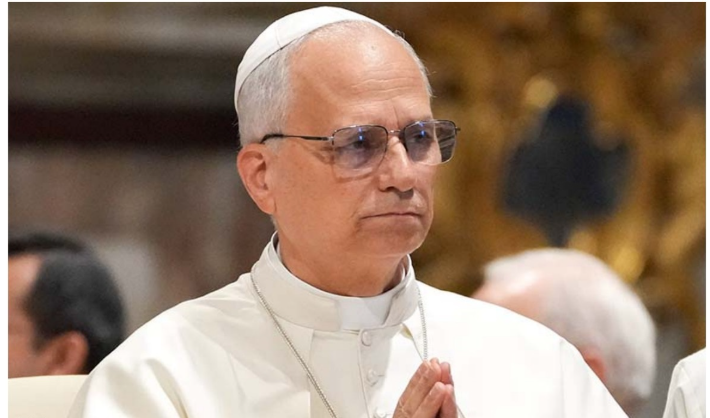
In a dramatic and deeply stirring account, Pope Leo XIV is said to have delivered a warning so grave that it left the entire congregation in breathless silence within the halls of the Vatican. As sunlight streamed through stained glass windows and settled gently over bowed heads, his voice reportedly trembled with urgency. According to those present, he cautioned that a prayer — whispered faithfully for generations — must no longer be spoken. What many had long considered harmless devotion, he suggested, could invite spiritual confusion and subtly distort the purity of faith.
The declaration, described as both sorrowful and resolute, has stirred intense reflection among clergy and laity alike. How could words repeated for centuries suddenly be called into question? Within Catholic tradition, prayers are not casual expressions; they are carefully preserved formulations rooted in Scripture and theological study. To challenge one is to touch a deeply woven thread in the fabric of communal worship. For some believers, the message felt like protective guidance — a shepherd guarding his flock from unseen danger. For others, it was unsettling, as though a familiar foundation had quietly shifted beneath their feet.
At the heart of the controversy lies a profound theological truth: words carry spiritual weight. In Christian belief, prayer is not merely symbolic language; it is communion with the divine. The Church has historically emphasized precision in liturgy because even subtle changes in wording can influence interpretation. If a prayer were thought to contradict ancient teaching or risk misunderstanding, leaders might feel compelled to respond. Yet such responses often raise as many questions as they answer, especially when traditions are long established.
Many faithful now find themselves searching Scripture, revisiting catechisms, and engaging in conversation about the power of spoken devotion. Was there an overlooked nuance? A translation that shifted meaning over time? Or perhaps a cultural interpretation that drifted from its original intent? These discussions reveal how living traditions evolve while striving to remain anchored in foundational doctrine. Faith communities frequently wrestle with balancing continuity and correction — preserving what is sacred while remaining vigilant against error.
Beyond theological debate lies something deeply human: the desire to pray rightly. For believers, prayer is an act of love and trust, a bridge between frailty and hope. To be told that familiar words may carry unintended implications can feel disorienting. Yet it can also spark renewal — an invitation to approach worship with deeper attentiveness. Silence, in this context, becomes not emptiness but reflection, a sacred pause that encourages humility.
Whether embraced as necessary guidance or questioned with caution, the reported warning has awakened a renewed seriousness about devotion. It reminds the faithful that religion is not only comfort but also responsibility. Words spoken in sacred spaces shape belief, identity, and community. And in the quiet that follows such a proclamation, many are rediscovering that faith, while steady at its core, continually calls for discernment, reverence, and thoughtful understanding.