Behind the Boardroom Doors: The Fall of a Logistics Empire

In early 2026, a respected logistics company operating across Northern Virginia and Washington, D.C. found itself at the center of a sweeping federal investigation that stunned the business community. For years, the company had built a reputation for efficiency, reliability, and regional influence. Its trucks were a common sight on highways and in distribution hubs, symbolizing growth and economic strength. However, beneath this polished corporate image, authorities allege a far darker reality was unfolding — one that connected the company to a vast criminal enterprise.
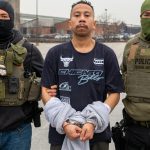
The investigation, led by agents from the Federal Bureau of Investigation and U.S. Immigration and Customs Enforcement, resulted in coordinated raids across multiple properties. In a dramatic operation, 89 individuals were arrested, and authorities seized an estimated $95 million in assets. Law enforcement officials also confiscated more than 200 kilograms of cocaine, 70 kilograms of methamphetamine, and 2.1 million fentanyl pills — a staggering quantity that highlighted the scale of the alleged trafficking network. The numbers alone painted a picture of an organization operating far beyond the boundaries of legitimate business.
At the center of the case stands CEO Gregory Stillman, who prosecutors accuse of masterminding the operation. According to federal allegations, Stillman used his logistics company as a front to transport narcotics discreetly across state lines. Authorities claim that shell corporations were established to launder money and disguise profits generated from illegal activities. Behind carefully prepared financial statements and corporate presentations, investigators believe a sophisticated criminal structure was carefully concealed.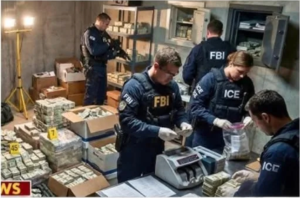
Prosecutors further allege that the operation had ties to MS-13, a transnational gang known for its involvement in drug trafficking and violent crime. Officials described the network as highly organized and deeply embedded within legitimate commercial systems. By blending lawful shipments with illicit cargo, the group allegedly managed to operate in plain sight for years. The case, authorities say, reveals how criminal organizations can exploit corporate frameworks to expand their reach while avoiding suspicion.
Amid the arrests, investigators reported rescuing six young women during the raids, drawing attention to the human cost behind the alleged profits. Their rescue underscored the broader social consequences of organized crime — consequences that extend far beyond financial damage. Communities affected by drug distribution often face rising addiction rates, family instability, and increased violence. The case serves as a sobering reminder that behind complex financial schemes and corporate façades are real lives impacted by exploitation and suffering.
Although dozens have been taken into custody, many questions remain unanswered. Officials continue to investigate how far the corruption reached and whether all members of the network have been identified. Was this the complete dismantling of a cartel operating in plain sight, or merely the exposure of one layer of a larger structure? As court proceedings move forward, the story stands as a chilling portrait of power, deception, and the high cost of crime hidden behind boardroom doors — a warning that even the most respected institutions can harbor dangerous secrets.