Shockwaves in San Diego: Power, Corruption, and a City Confronts the Unthinkable
- TranThuy
- February 25, 2026
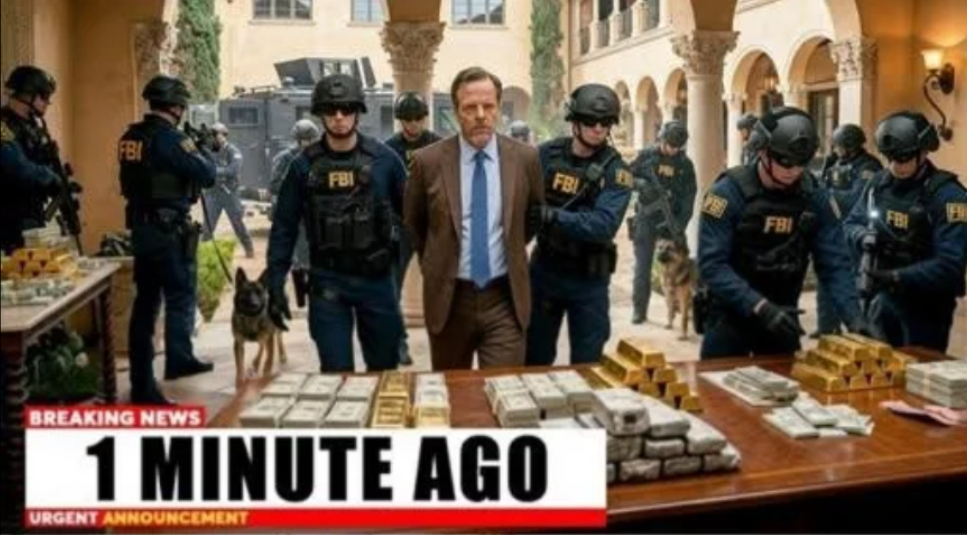
A political earthquake has shaken San Diego after agents from the Federal Bureau of Investigation and U.S. Immigration and Customs Enforcement stormed the home of a sitting city official in a dramatic pre-dawn raid. What began as a discreet inquiry unfolded into a sweeping 22-month cartel investigation that stunned residents across the region. Flashing lights pierced the early morning darkness as federal vehicles lined quiet residential streets, signaling that something far larger than routine oversight was underway.
According to court filings, investigators allege the probe uncovered 5.5 tons of cocaine, $180 million in gold assets, and vast quantities of concealed cash hidden through a network of shell companies and offshore accounts. Authorities describe the case as a sprawling criminal enterprise tied to international trafficking routes stretching far beyond California. Prosecutors claim the operation blended legitimate political influence with illicit financial flows, creating what they characterize as a shadow infrastructure of power and profit.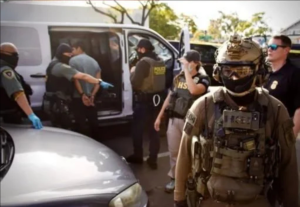
The investigation reportedly began with irregular financial disclosures and suspicious property transactions that triggered internal review. Over time, federal agents expanded their scope, tracking shipments, analyzing encrypted communications, and coordinating with international partners. Officials state that the evidence points to a complex web of intermediaries, brokers, and facilitators who allegedly helped mask the origins of funds and commodities. What initially appeared as isolated discrepancies evolved into a case with global implications.
For residents of San Diego, the allegations have been both shocking and deeply unsettling. The city, known for its vibrant communities and cross-border commerce, now finds itself grappling with questions about integrity in public office. Community leaders have called for transparency and accountability, emphasizing that public trust must be restored through clear legal proceedings and open communication. The unfolding case has also sparked debates about oversight mechanisms and the safeguards designed to prevent corruption at high levels of governance.
Legal analysts caution that high-profile investigations often reveal only part of a broader picture. If proven in court, the charges could expose systemic vulnerabilities that allowed illicit operations to flourish undetected. At the same time, the accused official retains the presumption of innocence, and defense attorneys are expected to challenge both the evidence and investigative methods. The coming months will likely bring detailed hearings, financial testimony, and rigorous scrutiny of every claim.
As the story continues to develop, one question echoes across the city: how deep did the alleged corruption go, and how did it remain hidden in plain sight for so long? The raid that rocked San Diego has become more than a headline — it is a moment of reckoning. Whether the investigation ultimately confirms the full scope of the accusations or narrows them through legal challenge, it has already forced a community to confront the fragile line between authority and accountability.