Before Dawn in Minnesota: Allegations, Arrests, and Unfolding Questions
- TranThuy
- February 25, 2026
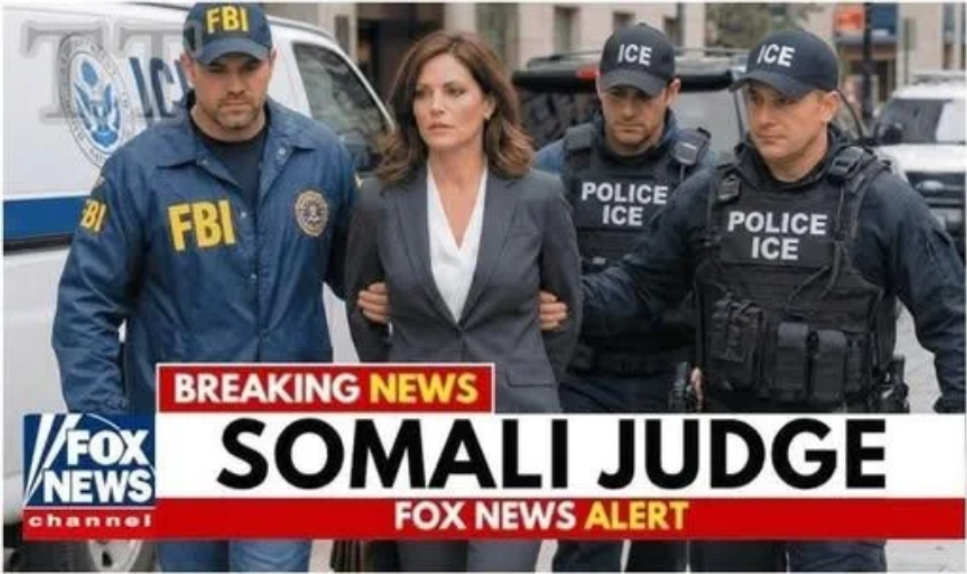
Before sunrise in Minnesota, silence gave way to coordinated movement as agents from the Federal Bureau of Investigation and U.S. Immigration and Customs Enforcement executed a sweeping pre-dawn operation at exactly 4:22 a.m. According to officials, 58 federal agents moved simultaneously across 19 locations spanning seven counties. Authorities allege the action disrupted a six-year laundering scheme that funneled billions of dollars through shell corporations, offshore trusts, and complex real estate transactions designed to conceal illicit origins.
Investigators claim the operation uncovered a sophisticated financial network built to obscure the flow of funds across state and national boundaries. Court filings describe layers of limited liability companies, staggered property transfers, and digital asset conversions that allegedly masked ownership trails. Prosecutors assert that these mechanisms allowed vast sums to circulate quietly, blending into legitimate markets while supporting unlawful enterprises. The scale of coordination, officials say, required extensive forensic accounting and years of investigative groundwork.
At the center of the case stands Ibrahim Mohamed Farah, whom authorities accuse of abusing judicial authority to shield traffickers and manipulate proceedings. Prosecutors allege that favorable rulings and procedural delays enabled criminal actors to avoid scrutiny while money flowed through hidden channels. Defense attorneys, however, maintain that the charges mischaracterize lawful judicial discretion and argue that the evidence will not support the sweeping allegations. As the legal battle unfolds, the courtroom has become a focal point of intense public attention.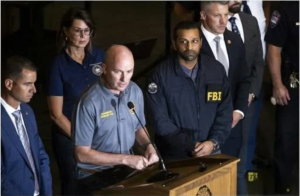
During the raids, agents reportedly seized cash, fentanyl, firearms, gold bars, and extensive digital records. Officials describe the recovered evidence as illustrating a web of corruption that stretched far beyond Minnesota’s borders. Electronic devices and encrypted files are now undergoing detailed analysis, with investigators working to determine whether additional collaborators or beneficiaries remain unidentified. The scope of materials collected suggests that financial crimes, narcotics trafficking, and weapons violations may be intertwined within the broader case.
Although juries have already delivered guilty verdicts on multiple counts against several defendants, authorities caution that the full scope of the operation may not yet be visible. Complex laundering structures often involve secondary actors who operate behind layers of legal and financial insulation. Experts note that unraveling such networks can take years, particularly when offshore accounts and international transfers are involved. Each conviction may represent progress, but it may also reveal new leads requiring further inquiry.
For residents across Minnesota, the revelations have sparked both shock and reflection. Allegations involving a member of the judiciary strike at the heart of institutional trust. How deep did the corruption run? Could additional operatives still be hiding in plain sight? Officials warn that answers may emerge gradually as forensic reviews continue and related cases proceed through the courts. What began in the stillness before dawn now stands as a stark reminder that accountability can surface unexpectedly — and that the search for truth is often only the beginning.