Frozen Crown: A Winter Operation That Shook the Heartland
- TranThuy
- February 25, 2026
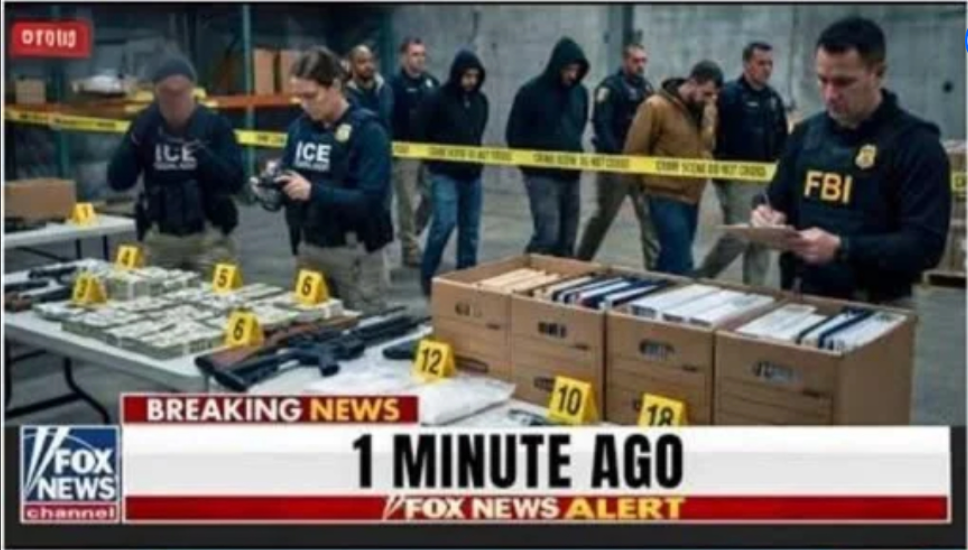
Beneath gray winter skies in Minnesota, a quiet but calculated storm was unfolding. In a sweeping federal action known as “Frozen Crown,” agents from the U.S. Immigration and Customs Enforcement and the Federal Bureau of Investigation moved across neighborhoods in the Twin Cities with precision. By the end of the operation, 47 individuals had been arrested and approximately $75 million in assets seized. What appeared to be ordinary residential blocks concealed, according to investigators, a shadow enterprise with reach far beyond state borders.
Authorities allege the network was tied to MS-13, transforming portions of the American heartland into a narcotics corridor that funneled drugs across multiple states. Prosecutors claim the operation connected supply routes through Minnesota, Wisconsin, and the Dakotas, using highways and distribution hubs to quietly move product. At the center of the case stands Carlos Ventura, accused of orchestrating a wide-reaching distribution system while maintaining an outwardly unremarkable public profile.
During coordinated raids, agents confiscated approximately 1.4 million fentanyl pills, along with significant quantities of cocaine, methamphetamine, and heroin. Law enforcement officials described the alleged system as operating with “chilling efficiency,” relying on layered communication methods, rotating couriers, and concealed storage sites. Digital devices and financial records were also seized, reportedly revealing coded transactions and money flows tied to shell companies and encrypted platforms.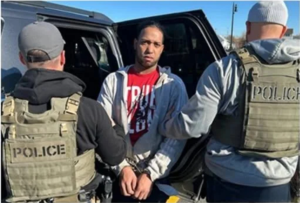
Investigators say the case required months of surveillance, interagency intelligence sharing, and financial tracing. By blending into everyday life, the accused individuals allegedly minimized suspicion while building a network that extended into neighboring states. Officials emphasize that dismantling such a system involves not only arresting visible operators but also disrupting the financial infrastructure that sustains it. Asset seizures, they argue, are as critical as criminal charges in weakening organized crime.
Despite calling the takedown a significant blow, authorities caution that questions remain. How deeply did the alleged influence run within local communities? Were additional collaborators operating quietly beneath the surface? Large networks rarely function in isolation, and investigators continue analyzing evidence to determine whether further arrests may follow. Community leaders have urged transparency as the legal process unfolds.
Beyond the statistics, the story of Operation Frozen Crown reflects a community confronting hidden realities. For residents of Minnesota and neighboring states, the revelations have prompted reflection on vigilance, trust, and resilience. While officials view the arrests as a milestone, lasting change will depend on sustained enforcement and community engagement. In the cold aftermath of the raids, hope flickers that accountability has begun to thaw what once seemed frozen in secrecy.