SHOCKING TRUTH EXPOSED: $1.9 BILLION “Hidden in Plain Sight” — One Routine Traffic Stop Just Blew Open a Secret Empire
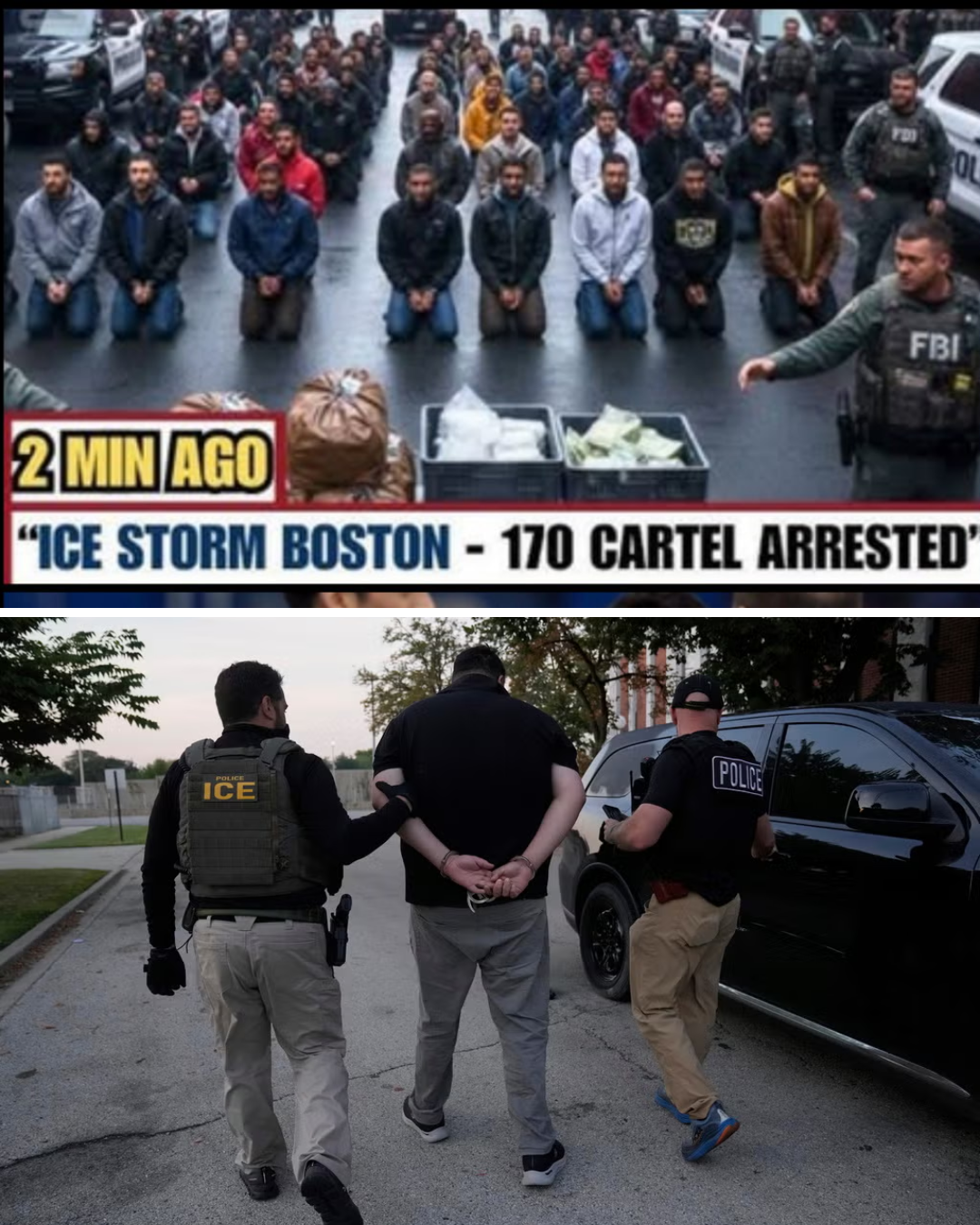
MINNEAPOLIS — It began as the kind of stop that rarely makes a police blotter: flashing lights on an otherwise quiet Minneapolis street, a vehicle pulled to the curb, a brief exchange that appeared routine to anyone passing by.
Within hours, however, federal officials were treating the encounter as a trigger event for what they described as a far larger investigation — one that would move from a single roadside interaction to coordinated raids across multiple properties before the next sunrise. According to the account, information recovered during the stop prompted immediate alerts inside federal channels, drawing in the FBI and the Department of Homeland Security and accelerating plans for a synchronized operation.
By dawn the following morning, entry teams were executing search warrants across several residential locations tied, investigators allegedly believed, by financial links and encrypted communications. Neighbors later told the same story: the homes looked ordinary, lawns were maintained, and there were no obvious signs that anything illicit was unfolding behind closed doors.
What agents reportedly found inside, the article claims, was “seismic” in both scale and implication: vast amounts of cash said to total $1.9 billion, firearms, significant quantities of fentanyl, and digital devices storing encrypted messages and transaction records. Officials, the story says, have not released a full inventory, but described the operation as highly organized — less a chaotic criminal enterprise than a system designed to blend into normal life.
Investigators believe the group’s apparent success relied on discretion and structure. The article alleges the network avoided the attention that often follows conspicuous spending, instead investing in normalcy — stable homes, paid utilities, predictable routines — while routing money through layered channels and structuring transactions to avoid standard reporting thresholds. Communication, the report says, relied heavily on encrypted platforms, with digital records pointing to coordination that crossed state lines.
The traffic stop, in this telling, exposed a vulnerability: a miscalculation or overlooked detail that allowed officers to “pull a thread” and unravel a network that had operated quietly for years. As raids unfolded, investigators reportedly discovered digital references to contacts and logistics in multiple states, prompting warnings to partner agencies and the possibility of additional enforcement actions outside Minnesota.
The narcotics component — particularly fentanyl — is described as carrying major implications for potential federal charges. Officials have intensified focus on opioid supply chains nationwide, and the article suggests prosecutors could pursue more expansive conspiracy allegations if evidence supports an interstate pipeline rather than a localized distribution effort. The firearms recovered during the searches, the report adds, represent another escalation factor that typically increases federal scrutiny when combined with major cash movement and drug trafficking indicators.
Behind the scenes, digital forensics teams are said to be combing through seized phones, hard drives, and encrypted storage units in search of transaction histories, communication trails, geographic routes, and additional collaborators. Investigators, according to the story, are also examining whether financial institutions may have processed portions of the alleged funds without recognizing their source — a question that often becomes central when cases shift from street enforcement to enterprise-level prosecutions.
Even the headline number — $1.9 billion — remains subject to key questions. The article notes authorities have not clarified whether the total reflects cash physically seized, assets frozen, or a broader estimate tied to the network’s activities. Legal analysts cited in the report predict the case would likely unfold in phases, with initial charges based on evidence recovered during searches followed by wider indictments as digital analysis expands.
For the neighborhoods affected, the experience has been disorienting. Some residents recall waking to controlled entries and federal vehicles lining residential streets; others slept through the raids and learned of them only afterward through phone alerts and social media posts. The shock, the story suggests, is rooted in the same realization heard after many major investigations: that something large and methodical may have been operating nearby without drawing attention — until a single, ordinary stop changed everything.