SHOCKING TRUTH EXPOSED: FBI Just Blew Up a TSA “Insider” Drug Pipeline Running Through U.S. Airports
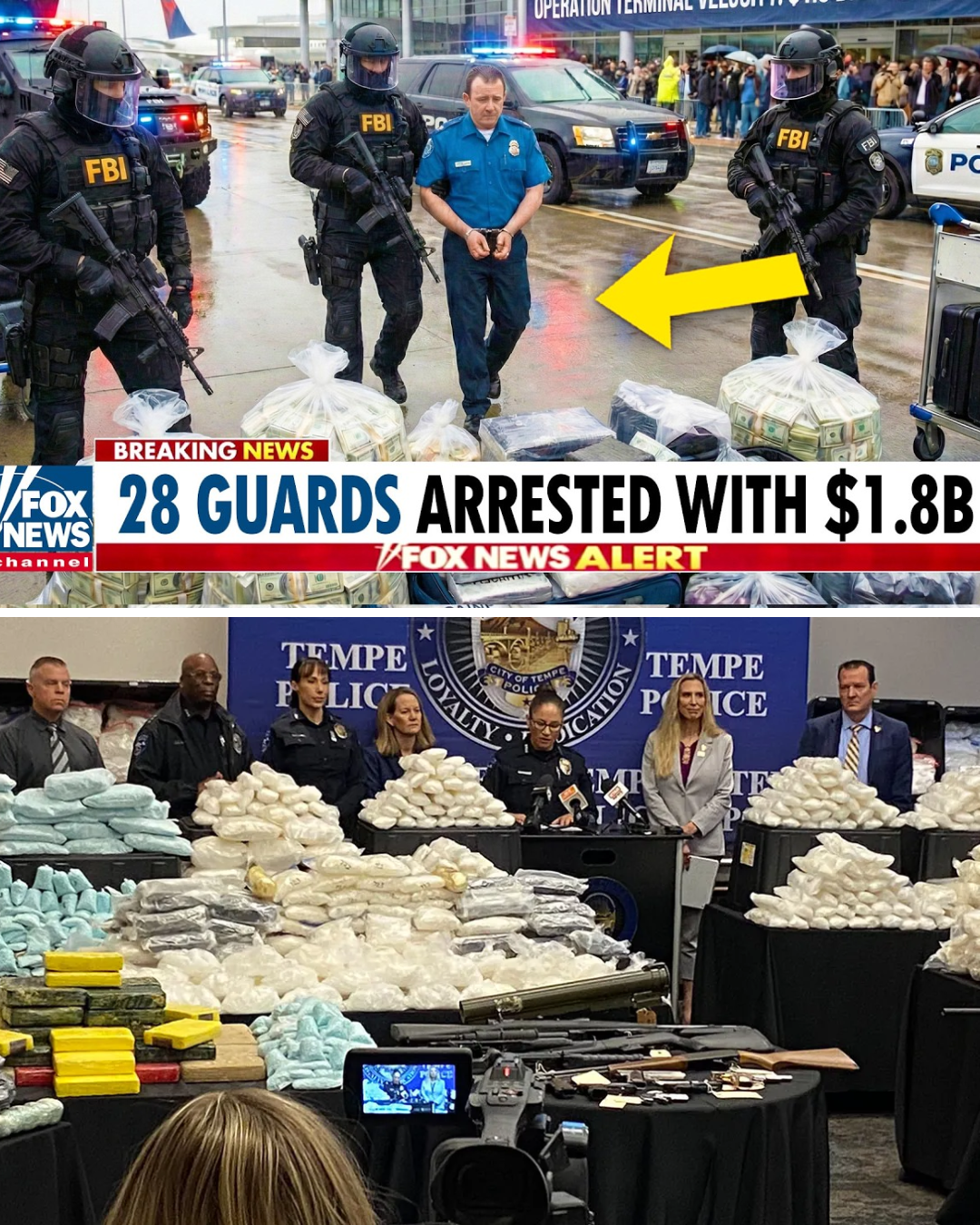
WASHINGTON — Federal agents carried out a coordinated series of searches at U.S. airports and private residences this week as part of an investigation into what prosecutors describe as an insider-enabled drug smuggling pipeline that exploited access inside the Transportation Security Administration, according to an online report and public accounts of similar past cases.
A story published Feb. 24 by Family Stories says the FBI-led probe alleges a multi-airport conspiracy in which airport and screening personnel helped narcotics shipments move through checkpoints by bypassing or manipulating security protocols. The report claims investigators estimate the operation generated $1.8 billion in illicit revenue over several years and moved cocaine, methamphetamine, heroin and fentanyl via luggage, cargo containers and commercial freight.
The article describes the case as originating with “irregularities” flagged in cargo screening patterns by internal oversight, which investigators allegedly traced to coordinated behavior rather than isolated lapses. It says federal teams executed warrants at “multiple airports” and in several states, seizing devices, records and financial documentation, and that additional defendants may surrender following the unsealing of federal indictments.
While the piece does not name the airports or the cartel it says benefited from the network, it portrays the scheme as a classic “insider threat” case: a small number of credentialed personnel allegedly using their trusted positions to create predictable gaps in screening, then coordinating with off-site handlers to distribute shipments once they arrived. The report adds that financial analysts traced suspicious transactions tied to shell companies and cryptocurrency wallets and that forfeiture actions could target luxury vehicles, high-end property and offshore accounts.
The allegations, if proven, would fit an established pattern in federal enforcement: when smugglers gain reliable access to secure areas, they can reduce risk dramatically by moving contraband through official channels rather than around them. Past prosecutions have documented similar dynamics. In 2017, the Justice Department indicted 12 current and former TSA and airport employees in a case alleging large-scale cocaine smuggling facilitated by airport workers. Earlier, a 2012 federal case described TSA employees at LAX allegedly taking payments to provide drug couriers “unfettered access” through security — a case prosecutors framed as a serious breach of the screening system.
The Family Stories account emphasizes that the current investigation has triggered immediate internal reviews and security audits, while also stressing that the inquiry focuses on a specific group rather than the broader workforce. It describes heightened federal presence and minor disruptions at some checkpoints during the warrant activity, but says authorities did not identify an immediate danger to travelers.
Legal analysts expect such a prosecution, if it moves forward as described, to be complex. The report anticipates potential charges including drug-trafficking conspiracy, racketeering, bribery, money laundering and obstruction — counts that typically depend on proving the structure of the enterprise, the flow of payments, and each participant’s role in the chain.
At the same time, the online report provides limited verifiable detail: it does not list named defendants, cite specific federal court docket numbers, or identify the airports involved. Those gaps make it difficult to independently confirm the scope and financial estimates described.
What is not in doubt, experts say, is the underlying vulnerability. Aviation security systems rely on multiple layers — technology, procedures, supervision and auditing — but insider cooperation remains among the hardest threats to fully eliminate. Past federal cases show that when employees abuse access, the consequences extend beyond narcotics trafficking to public confidence in the integrity of critical infrastructure.